Seeds of highly nutritious crops native to Peru—such as quinoa, kiwicha, chili peppers, and others—have been added to the Svalbard Global Seed Vault in Norway (also known as "Noah’s Ark") to help ensure global food security in the event of catastrophes or shortages.
In statements to the Andina news agency, Christian Barrantes Bravo, executive director of the National Institute for Agrarian Innovation (INIA), noted that this latest shipment from Peru consisted of 71 cultivars of various food crops.
"This is being carried out under an agreement between the governments of Peru and Norway," Barrantes Bravo explained.
The shipment—the second delivery made under this agreement—included 46 cultivars of kiwicha, 20 of quinoa, 4 of chili peppers, and one of tomato, the scientist specified.
"This demonstrates the immense importance of our country and our biodiversity in securing future food supplies against any global catastrophe," Barrantes stated.
The researcher pointed out that this delivery highlights, on an international stage, the significance of various Peruvian products in terms of nutrition.
He further noted that this recognition extends beyond the realm of gastronomy, as it encompasses factors related to nutritional quality—as is the case with quinoa and kiwicha.
What is the Seed Vault?
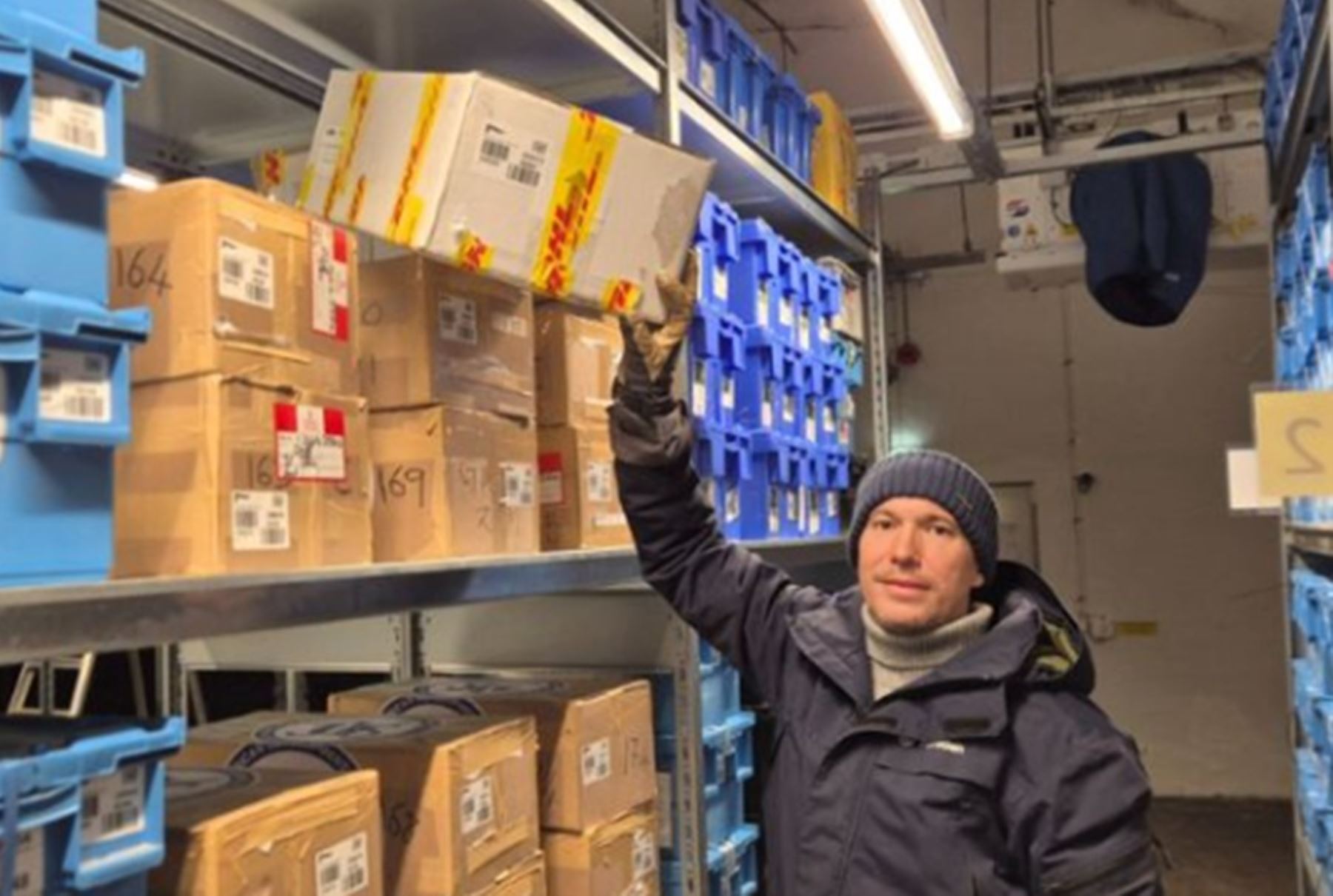
The World Seed Vault—funded by the Norwegian government—serves as a global genetic reserve. Its location, more than 100 meters underground on the island of Spitsbergen in the Svalbard archipelago, renders it immune to adverse conditions resulting from natural or human-induced catastrophes.
Regarding other aspects of the INIA’s work related to food, Barrantes noted that the organization collaborates with the International Potato Center to maintain a reserve of native germplasm and to genetically improve crops such as potatoes and purple corn, with the goal of enhancing their nutritional content and productivity.
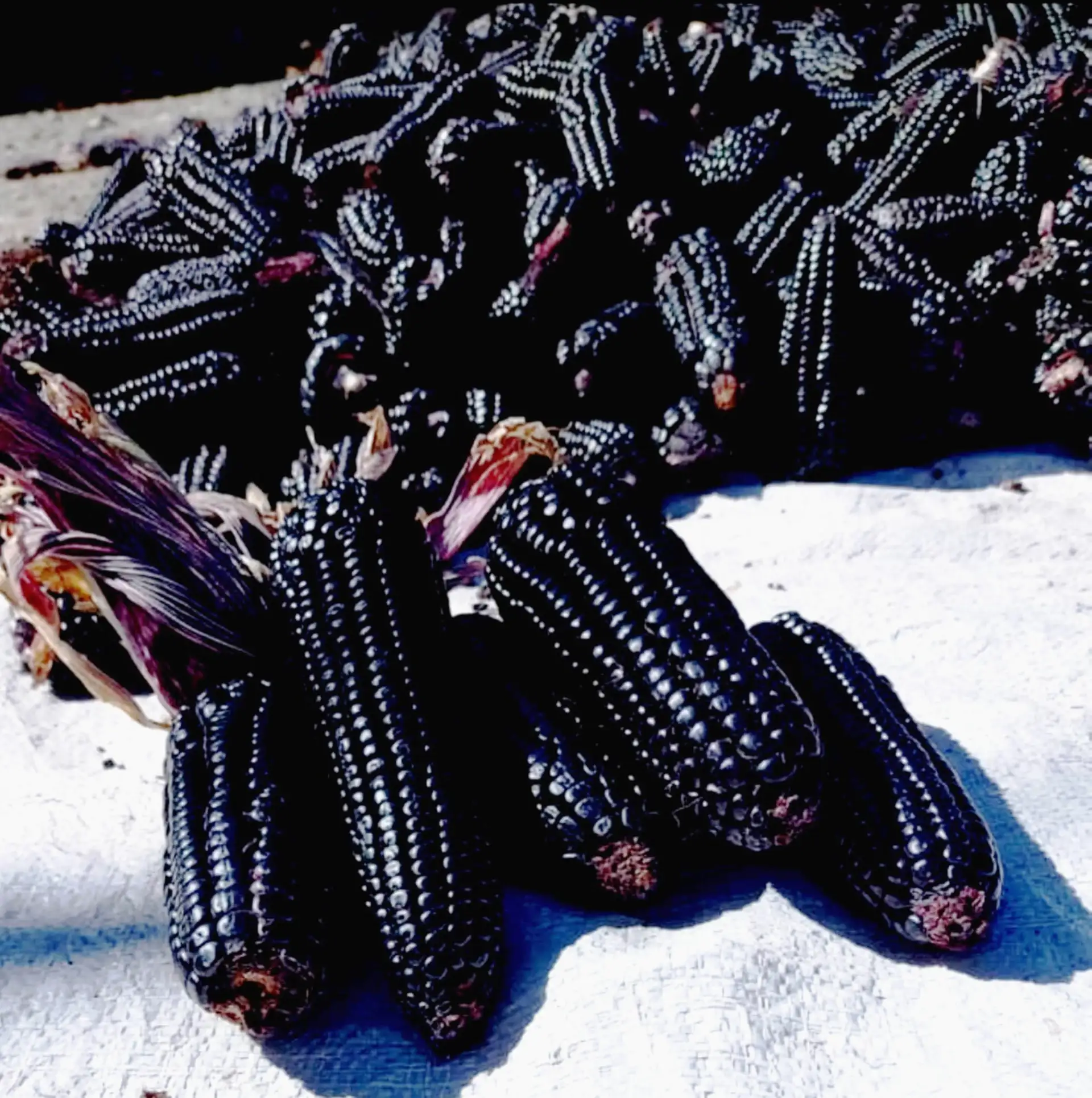
INIA’s research has also focused on purple corn, specifically the "Negro Canaán" variety. This variety, Barrantes explained, is characterized by a higher content of anthocyanin, a natural antioxidant.
“The genetic improvements implemented now allow for the separate export of purple corn cobs and the anthocyanin itself,” he pointed out.
More from Andina:
(END) FGM/MAO / MDV
Publicado: 22/10/2026