Peruvian exports are projected to reach $110.7 billion by the end of 2026—a 21.16% increase over 2025—according to a forecast released today by the Lima Chamber of Commerce (CCL) through its Institute for Foreign Trade Research and Development (Idexcam).
“Peruvian foreign trade appears headed toward a year-end characterized by extraordinary dynamism,” the business association noted.
The organization explained that this growth is driven primarily by the mining sector, though performance varies significantly across different export activities.
Idexcam estimates that mining exports will reach approximately $79.4 billion—a growth of nearly 32%—cementing the sector’s role as the primary engine of Peruvian foreign trade and accounting for roughly 72% of the total value of the country’s exports.
The most substantial gains are expected in lead (+81%), silver (+50%), gold (+38%), and copper (+29%).
This performance is supported by high international commodity prices, as well as demand linked to the energy transition, electromobility, and the development of technological infrastructure.
This outlook underscores the strategic importance of the mining industry in generating foreign currency and highlights the need to strengthen conditions that will allow Peru to capitalize on opportunities in international markets.
Oil, gas, and the industrial sector
This positive trend is set to extend to other key sectors. Exports of oil and natural gas are projected to grow by 27%, followed by the iron and steel/metallurgical sector (15%) and the chemical industry (8%). Among the most dynamic products are petroleum derivatives, liquefied natural gas, copper manufactures, organic chemical products, and plastic and rubber manufactures.
According to the Lima Chamber of Commerce (CCL), these prospects represent opportunities that the country must seize through increased investment, efficient infrastructure, and improved competitiveness.
Agro-exports and the fishing sector face a challenging scenario.
However, the export outlook also presents significant warning signs. The agricultural sector is expected to contract by nearly 4%, driven primarily by projected declines in exports of cocoa and cocoa derivatives (-45%) and coffee (-31%), amid a normalization of international prices.
This downturn would be partially offset by an estimated 10% growth in fruit exports.
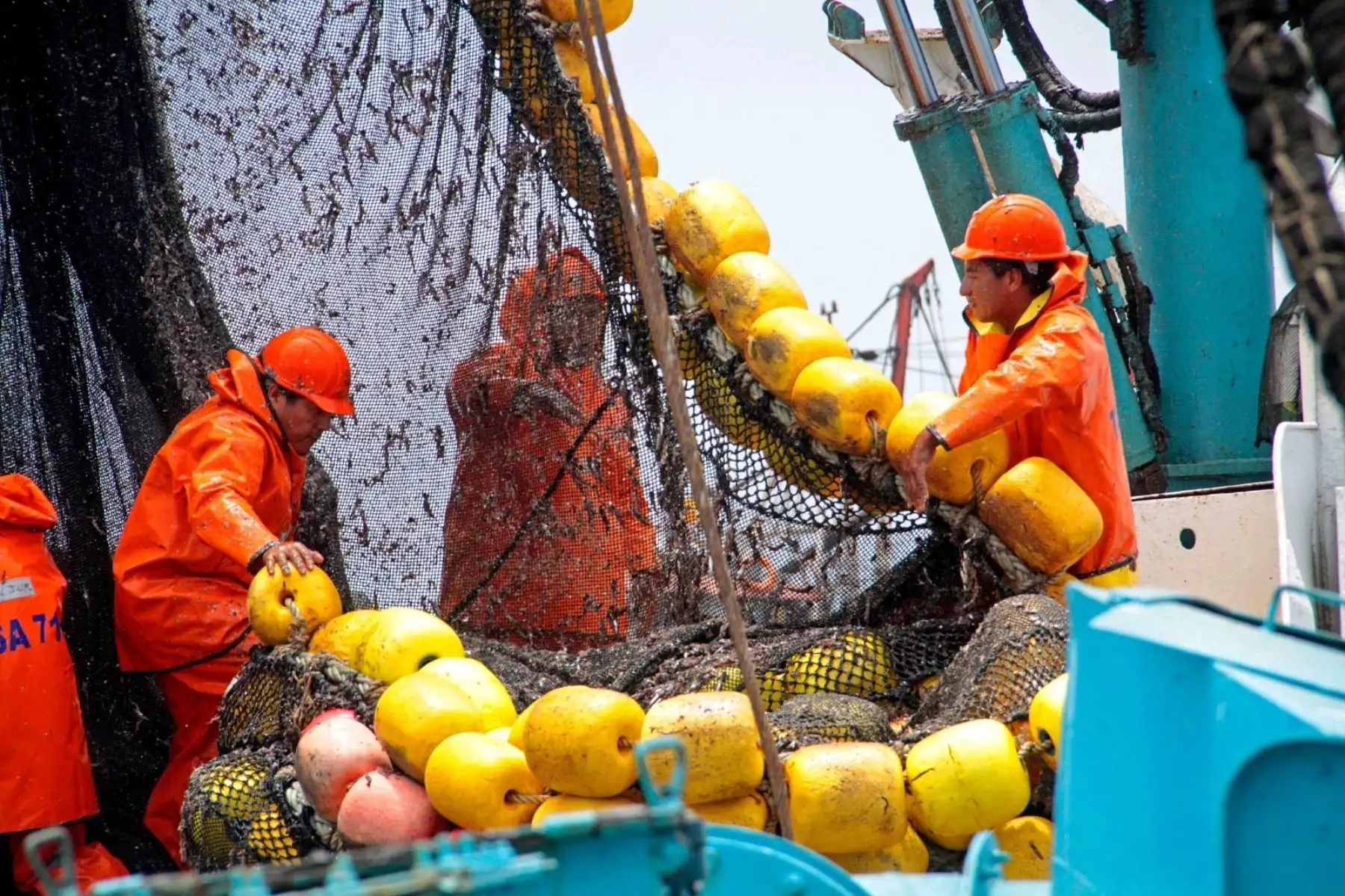
Meanwhile, fishery exports are expected to fall by approximately 14%, impacted by lower shipments of fishmeal (-34%) and mollusks (-13%), against a backdrop of climate-related risks and supply constraints.
These sectoral disparities highlight that export growth will not be uniform and that Peru needs to strengthen the responsiveness of its productive sectors to changes in the international market.
The challenge: becoming more competitive.
Idexcam warns that these projections could be affected by international price volatility, geopolitical tensions, climate anomalies, supply constraints, and domestic logistical issues.
In this context, the Lima Chamber of Commerce believes it is essential to accelerate investments in logistics infrastructure, diversify the export offering, strengthen risk management, and boost the competitiveness of non-traditional sectors.
“Peru has the opportunity to exceed $110 billion in exports, but the real challenge lies in transforming that growth into sustainable development, greater competitiveness, and new opportunities for Peruvian companies,” the CCL noted. Commercial Intelligence
Through these projections, the CCL’s Idexcam reaffirms its role as a specialized source for analysis and forecasting regarding Peru’s foreign trade, providing strategic information to anticipate trends, identify opportunities, and flag risks that could affect export sectors.
The Lima Chamber of Commerce (CCL) will continue to promote the analysis of international markets and develop proposals that help strengthen Peru’s position as a competitive economy—one that is open to trade and capable of seizing global growth opportunities.
More from Andina:
(END) NDP / MDV
Publicado: 27/10/2026