With the goal of boosting the competitiveness of the forestry sector and promoting the comprehensive development of the Amazonian regions, the Ministry of Economy and Finance (MEF) led sessions for the Executive Roundtable for the Development of the Forestry Sector and the Executive Roundtable for the Development of the Peruvian Amazon (MEDAP).
Both meetings, held yesterday—Thursday, October 29—brought together representatives from public institutions and private business associations to identify effective solutions to the barriers that limit investment and sustainable productive development in the Amazon.
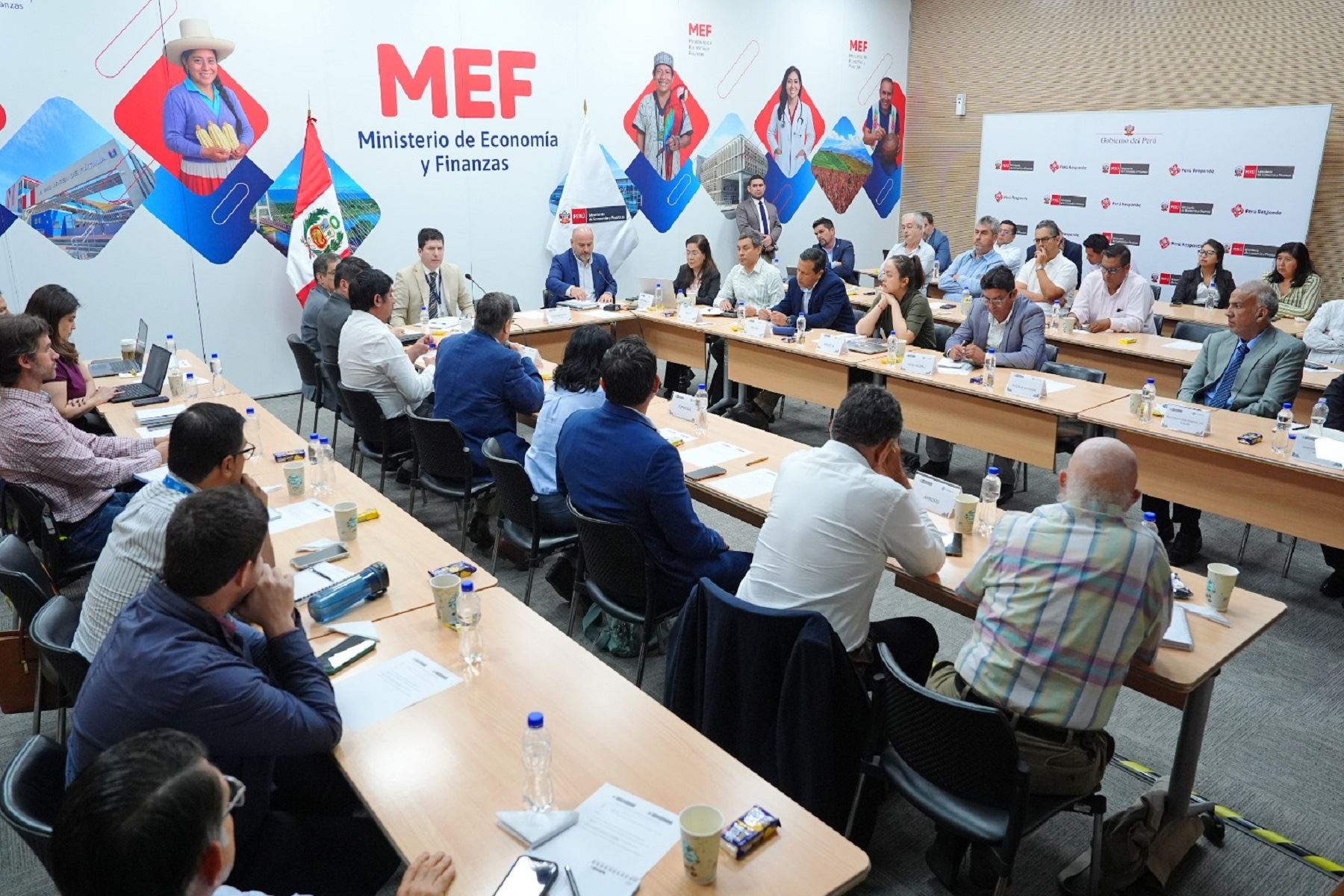
The Executive Roundtable for the Development of the Forestry Sector included the participation of the Association of Exporters (ADEX), the National Forestry Confederation of Peru (CONAFOR), and the Association of Forestry Producers of Ucayali (APROFU).
Representing the public sector were the National Forest and Wildlife Service (SERFOR), the Supervisory Body for Forest Resources and Wildlife (OSINFOR), the Ministry of Foreign Trade and Tourism (MINCETUR), and the Regional Government of Ucayali.
Additionally, the MEDAP session included representatives from the Amazonian Regional Commonwealth, business associations, and organizations representing Amazonian indigenous peoples, such as the Interethnic Association for the Development of the Peruvian Amazon (AIDESEP) and the Confederation of Amazonian Nationalities of Peru (CONAP).
Forestry Competitiveness
During the session of the Executive Roundtable for the Development of the Forestry Sector, SERFOR presented progress on a proposed amendment to the Forestry Management Regulations.
This proposal aims to simplify the approval of management plans, promote the comprehensive use of ecosystem resources and services, and facilitate the electronic issuance of forest transport permits—all while maintaining sustainability and oversight obligations.
A new methodology for visual inspections was also analyzed for certain species included in the Convention on International Trade in Endangered Species of Wild Fauna and Flora (CITES), such as *shihuahuaco* and *tahuarí*.
The proposal involves using statistical sampling to streamline inspections without compromising the verification of the timber’s legal origin.
Furthermore, the discussion covered the challenges of exporting Peruvian timber from CITES-listed species to the European Union, specifically regarding requirements related to the forest recovery index.
Finally, Aprofu outlined opportunities and challenges for developing commercial forest plantations, including access to long-term financing, legal certainty regarding land tenure, productivity, and coordination among producers, the industry, and public entities.
Sustainable Development
For its part, the MEDAP (Executive Roundtable for the Development of the Amazon) addressed three priority areas: progress on the Multisectoral Plan for the Promotion of a Sustainable Amazon (PMPAS), connectivity, and legal certainty for Amazonian territories.
Regarding the PMPAS, the group reviewed progress on this instrument, which is designed to coordinate state interventions and promote the sustainable development of Amazonian regions.
Additionally, proposals from the Amazonian Regional Commonwealth (*Mancomunidad Regional Amazónica*) were analyzed to improve land, river, air, and digital connectivity—a fundamental requirement for reducing logistics costs, connecting producers to new markets, and facilitating access to essential services.
The session also addressed challenges related to the titling of native community lands and the resizing of Permanent Production Forests (BPP)—processes that are crucial for strengthening legal certainty over territories and expanding economic and productive development opportunities for Amazonian communities.
The executive roundtables led by the Ministry of Economy and Finance (MEF) serve as public-private coordination mechanisms, enabling the identification of regulatory, operational, and structural barriers, the promotion of joint solutions, and the monitoring of actions taken by the relevant authorities.
Through these forums, the MEF promotes coordination between the State and productive stakeholders to strengthen value chains, boost investment, and create greater opportunities for sustainable development and market access for the population of the Amazon region.
More from Andina:
(END) NDP/ CNA / MDV
Publicado: 30/10/2026