Archaeological discoveries in various regions of Peru are set to dazzle the world in 2025, from elite tombs in Aspero and a fire altar in the sacred city of Caral, to a three-dimensional mural at the Huaca Yolanda in Viru, and the resolution of the enigma of the 5,200 holes at Monte Sierpe.
Each of this year's important discoveries contributes to deciphering unknown aspects of the impressive development achieved by the formidable cultures of ancient Peru.
The research, conducted by interdisciplinary teams led by prestigious Peruvian and international archaeologists and scientists, demonstrates that our country is an exceptionally fertile, promising, and unparalleled territory in the world for archaeology, anthropology, history, and many other sciences related to human development.
These fields seek to understand and explain the complex pre-Hispanic societies and demonstrate why Peru is one of the world's centers of civilization.
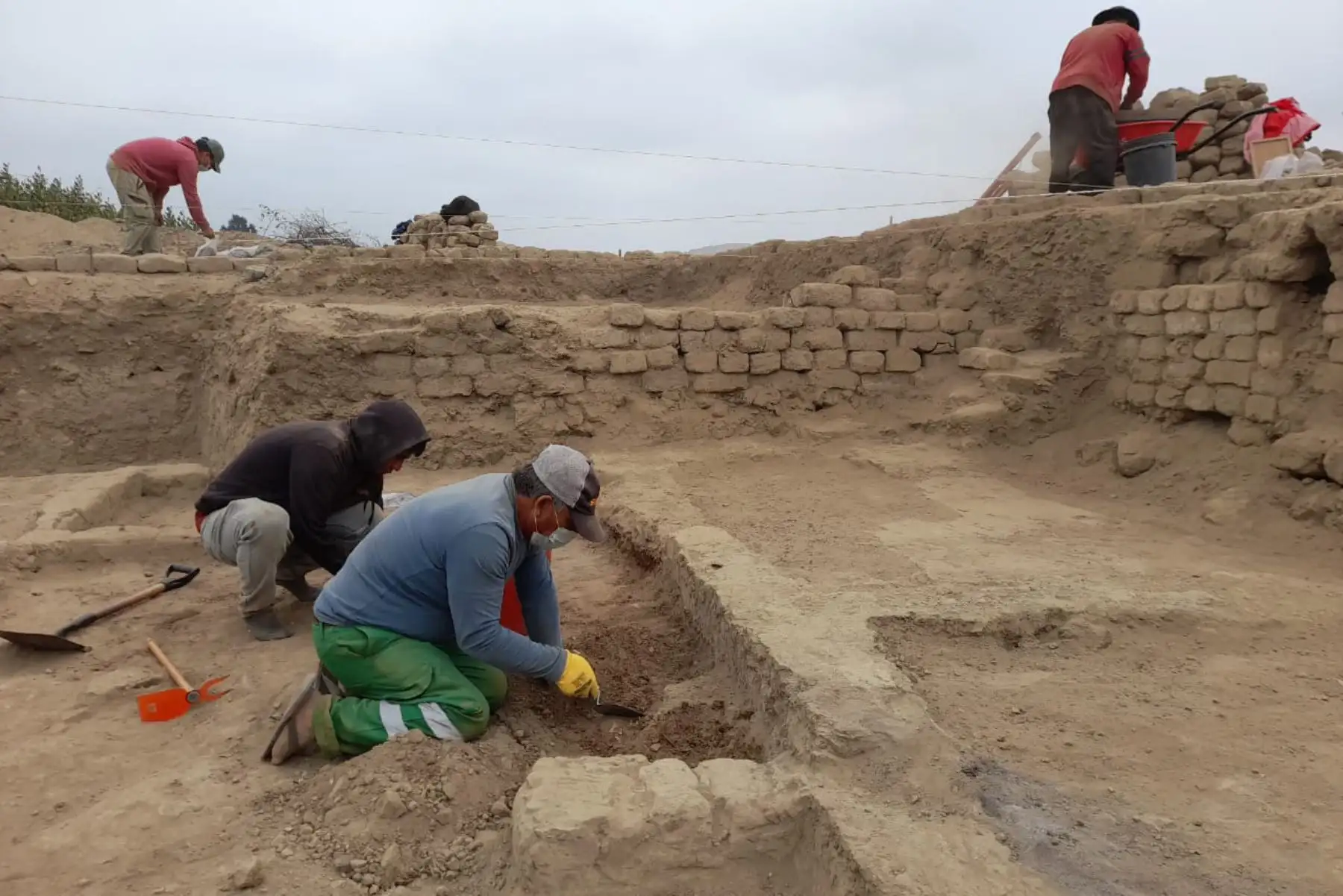
Below, we review the most important archaeological discoveries made in 2025 in various regions of Peru.
New structures of the Caral civilization
At the end of January, researchers from the Caral Archaeological Zone announced the discovery of a new pyramidal building at the Chupacigarro settlement, located in the Supe Valley.
This structure, part of a larger system linked to the Sacred City of Caral (3000-1800 BCE), features three superimposed platforms and large vertical stones called "huancas" that mark its corners and staircases.
Ancient tattoos on mummies of the Chancay culture
A study published in February revealed that mummies from the Chancay culture (1100-1400 CE) have tattoos with a resolution superior to modern techniques.
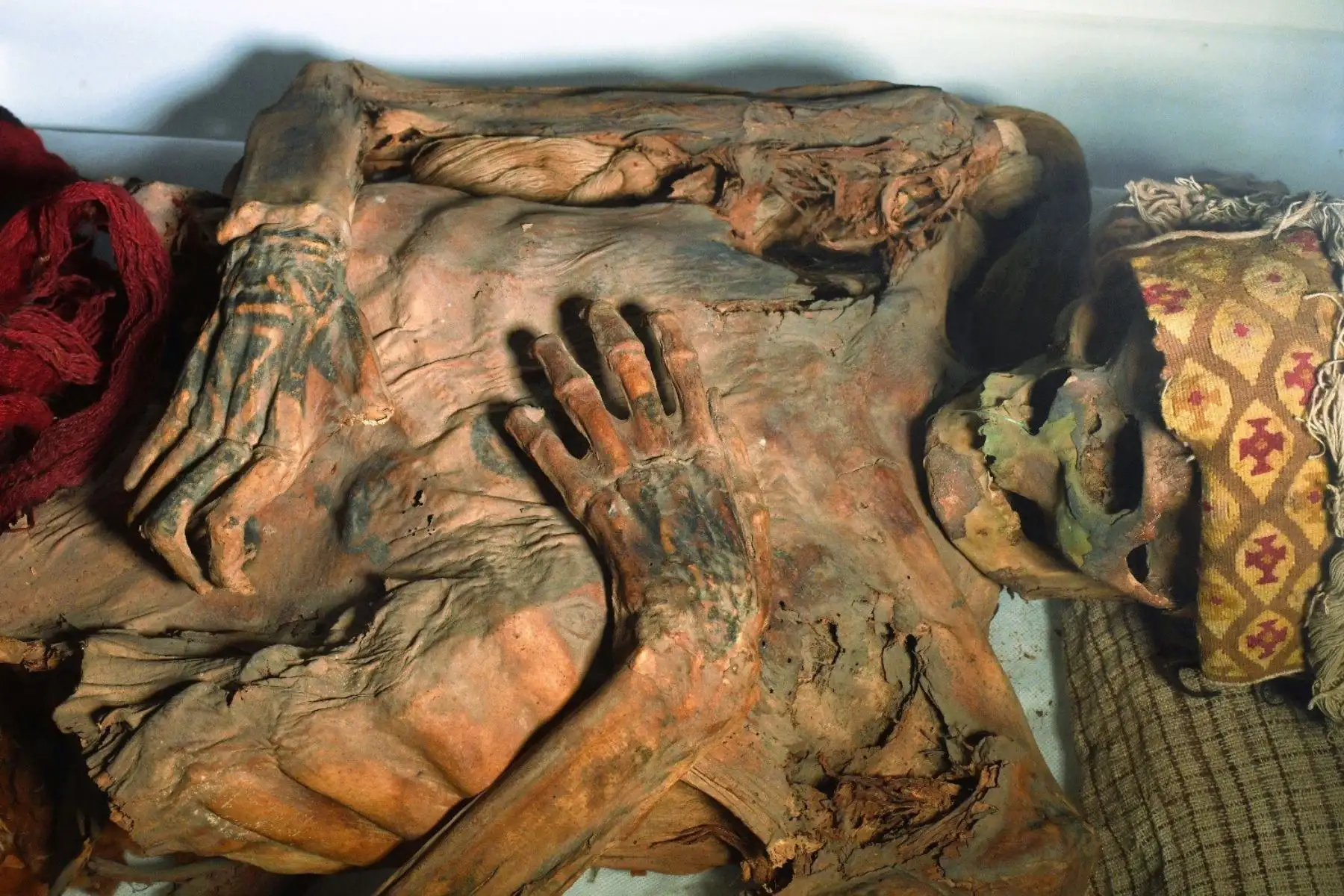
Using laser-stimulated fluorescence (LSF), scientists identified geometric and zoomorphic designs on more than 100 mummies, including an elite individual with representations of deities such as Vichama and Pachamama.
Elite tombs in Aspero and Viru
In the Viru Valley, the sacrifice of a young Chimu man (1300-1400 CE) was discovered in April. He was buried in a prone position at the El Cerrito 2 huaca, a 4,000-year-old temple.
That same month, in Aspero, the tomb of an elite woman from the Caral civilization was found with grave goods that included macaw feather textiles and Amazonian artifacts, demonstrating early interregional exchange.
At the end of that month, in Vilcabamba (Cusco), an Inca and Spanish mining center from the 16th and 17th centuries was located, which could correspond to the legendary "silver mines of the Incas."
Fire altar of the era of Pando
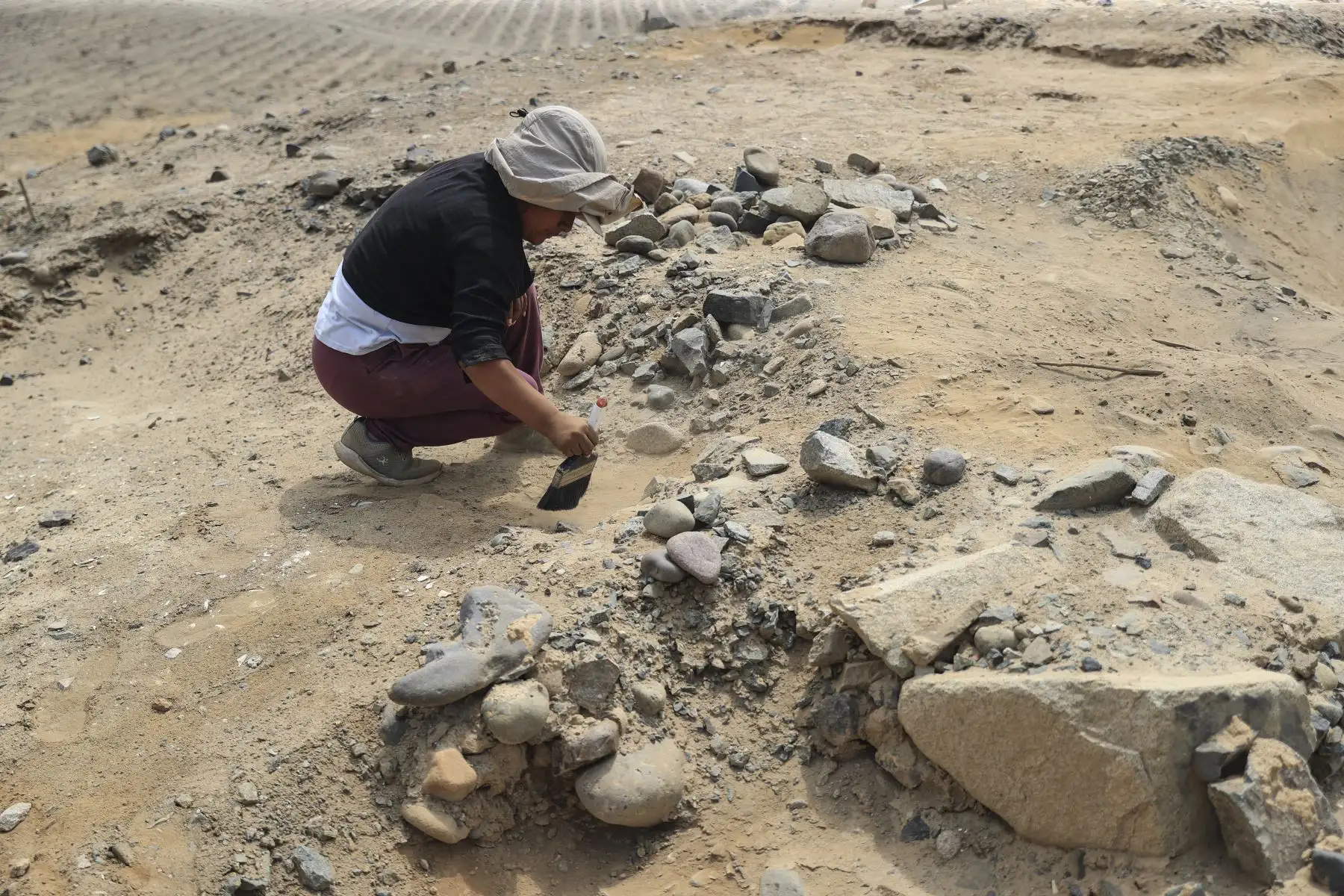
In May, the discovery of a circular fire altar, seven meters in diameter, was revealed at the site known as Era de Pando, in the Supe Valley.
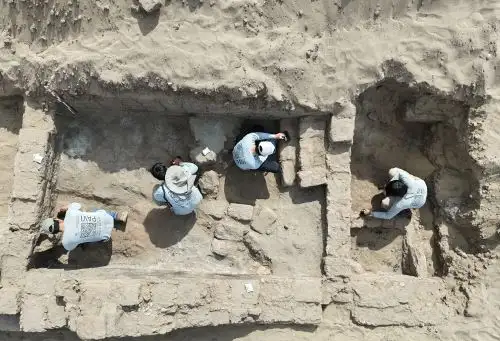
This sacred site, 5,000 years old, was used exclusively by religious authorities to burn offerings in private ceremonies.
Unprecedented murals and tunnels in Cusco
At the Huaca Yolanda, in the province of Virú in La Libertad region, a three-dimensional polychrome mural dating back 3,000 to 4,000 years, depicting fish and fishing nets, was reported in July.
Meanwhile, in the Amazonian department of Ucayali, fragments of pottery from the Tutishcaino culture, dating back 2,000 years, were recovered.
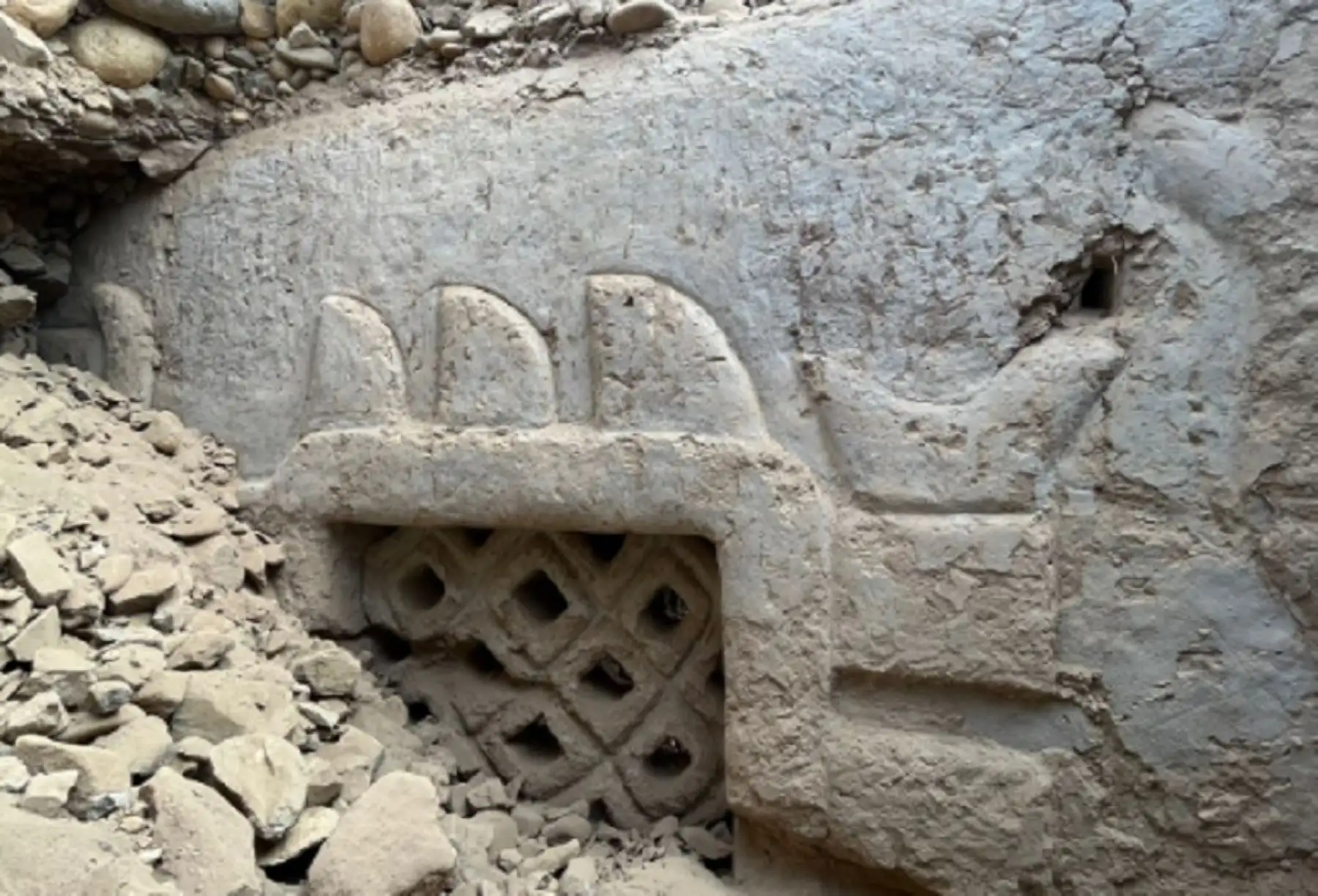
In Cusco, excavations have begun at the Inca Archaeological Park of Sacsayhuamán to locate the entrance to the chinkanas, or underground passageways, which, according to research, connect to the famous Inca temple of Qoricancha.
Palaces and elite residences in Chicama
In August, a palace from the Late Moche period (600-700 CE) was discovered at the Licapa II archaeological site in the Chicama Valley, La Libertad Department. This palace belonged to an elite that controlled the local economy and possessed exotic objects such as Amazonian monkeys.
Meanwhile, at Huaca Amalia, also located in this northern Peruvian department, the residence of a notable figure from the Virú culture was found, featuring a complex kitchen and decorations of chacanas (Andean crosses).
Tomb of the Lord of Jesus Maria
In September, the tomb of the Lord of Jesus Maria, a 4,500-year-old leader, was discovered in the Laredo district of La Libertad. He was buried on a stone platform without ceramics.
In the same department, the oldest dwelling in the Moche Valley, dating to the Initial Period, was also recorded.
On the other hand, in the Lima province of Huaral, the facade of San Jacinto was discovered, considered the largest U-shaped temple on the central coast, with 3.5-meter-high walls decorated with hybrid beings.
Meanwhile, in Ayacucho, the Campanayuq Rumi site revealed monumental Chavin-style staircases dating back 3,000 years.
Ancient astronomy and the solution to the enigma at Monte Sierpe
At the remarkable archaeological site of Chankillo, in the Ancash province of Casma, the existence of an astronomical structure older than the famous Solar Observatory was confirmed, along with a corridor aligned with the moon.
Meanwhile, in Ica, an archaeological discovery solved the enigma of the 5,200 holes at Monte Sierpe, confirming that they were a system of storage and decimal accounting deposits linked to the quipus.
Finally, in the department of Apurímac, a Wari settlement with circular architecture was discovered at the Muyu Urqu site.
More at Andina:
(END) LZD/MAO / MDV
Publicado: 26/12/2025