During Expo Amazónica Ucayali 2026, the president of Ceplan highlighted the need to coordinate efforts among the three levels of government and the private sector to foster sustainable development and reduce regional disparities.
“Translating development plans into concrete results for the Amazonian population requires linking territorial priorities with the public budget, establishing shared goals, and monitoring progress,” stated Saúl Barrera Ayala, president of the National Center for Strategic Planning (Ceplan).
He said this during his participation in Expo Amazónica Ucayali 2026, where he advocated for strengthening coordination among national, regional, and local authorities, as well as the private sector.
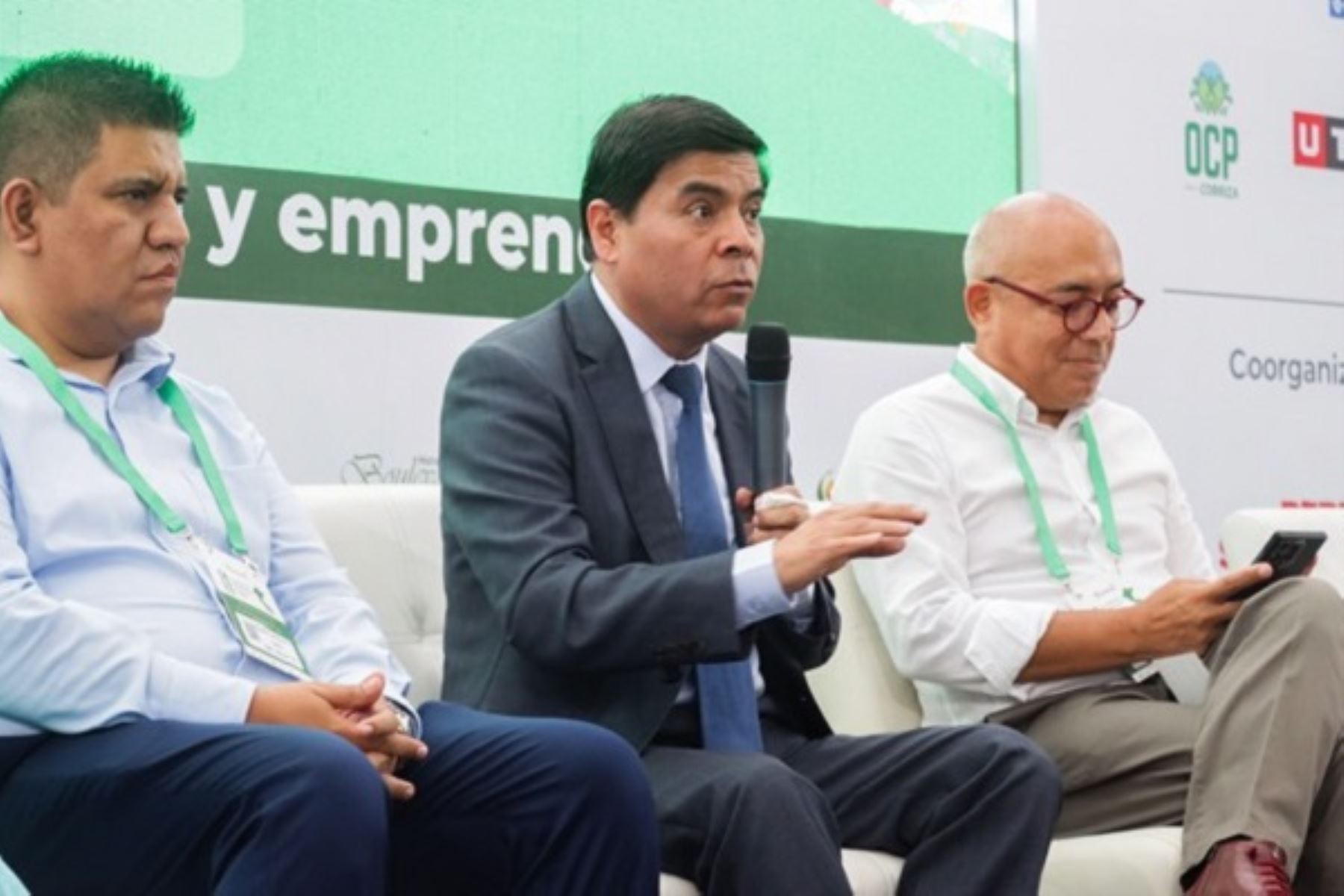
At the 7th Congress of Amazonian Entrepreneurs, the head of Ceplan identified three conditions for ensuring the sustainability of development plans: consensus backed by a legal framework, alignment between planning and the public budget, and joint participation by the State and the private sector.
In this regard, he announced that Ceplan will request that the Ministry of Economy and Finance (MEF) establish a working group to link the objectives of development plans with multi-year investment programming and budgetary programs.
This coordination aims to ensure that priorities identified within the territories are translated into actions supported by budgetary allocations.
Furthermore, he proposed that national, regional, and local authorities, in collaboration with the private sector, agree upon three or four indicators to annually evaluate progress in the Amazon region.
He noted that these metrics should be made public, allowing for the assessment of whether established goals are being met. The Challenge of Planning from the Territories
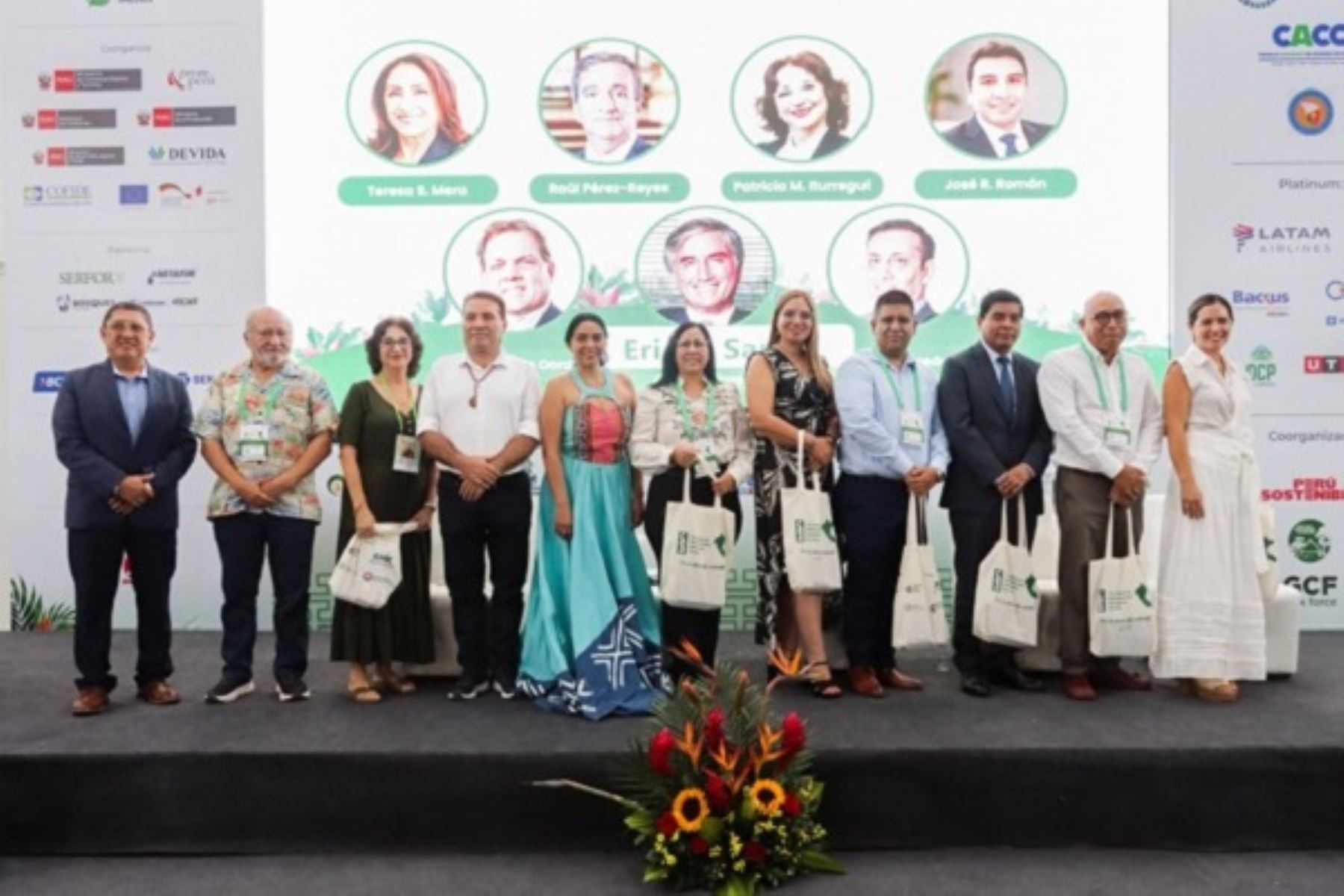
During the afternoon panel, titled “Strategic Dialogue on the Organizational Model of the Amazon Macro-Region (MRA) and the Multisectoral Plan for the Promotion of a Sustainable Amazon (PMPAS) within the Decentralization Process,” Barrera Ayala addressed the challenges of coordinating planning across a territory that encompasses 337 districts, 51 provinces, and parts of 13 of the country’s regions.
In his remarks, he noted that 86% of districts in Peru lack concerted local development plans (PDLCs).
To address this gap, he explained that Ceplan (the National Center for Strategic Planning) is working to promote a planning process built with the participation of stakeholders from each territory.
The president of Ceplan explained that planning for the Amazon region requires considering inter-territorial connections—such as river basins and corridors—that transcend political-administrative boundaries and whose needs demand collaborative responses.
He also highlighted disparities in state capacity among the Amazonian departments. According to the data presented, Ucayali has a state capacity index of 29%, while San Martín reaches 72%.
Given this situation, he emphasized the importance of coordinating efforts across all three levels of government, focusing on key priorities such as health, education, and connectivity, as well as addressing pressing issues affecting the population, including anemia and limited access to water.
Finally, Barrera Ayala underscored the importance of maintaining agreements among authorities, the private sector, and the general public. Such agreements are essential for establishing shared goals that endure beyond changes in administration, helping to steer the development of the Amazon toward closing gaps and creating better opportunities for families.
More from Andina:
(END) NDP / MDV
Publicado: 26/10/2026