By Luis Zuta DavilaWith ExpoAmazónica Ucayali 2026—the most significant fair in the Peruvian Amazon—just days away, we take a look at the production, tourism, and cultural offerings that will be presented to attendees. The event will be held from October 22 to 25 at the Yarinacocha Fairgrounds in the city of Pucallpa.
This major gathering, officially organized by the Amazon Regional Commonwealth (Mancomunidad Regional Amazónica), aims to strengthen ties between Amazonian regions, create opportunities for producers and entrepreneurs, and foster economic development throughout the Amazon.
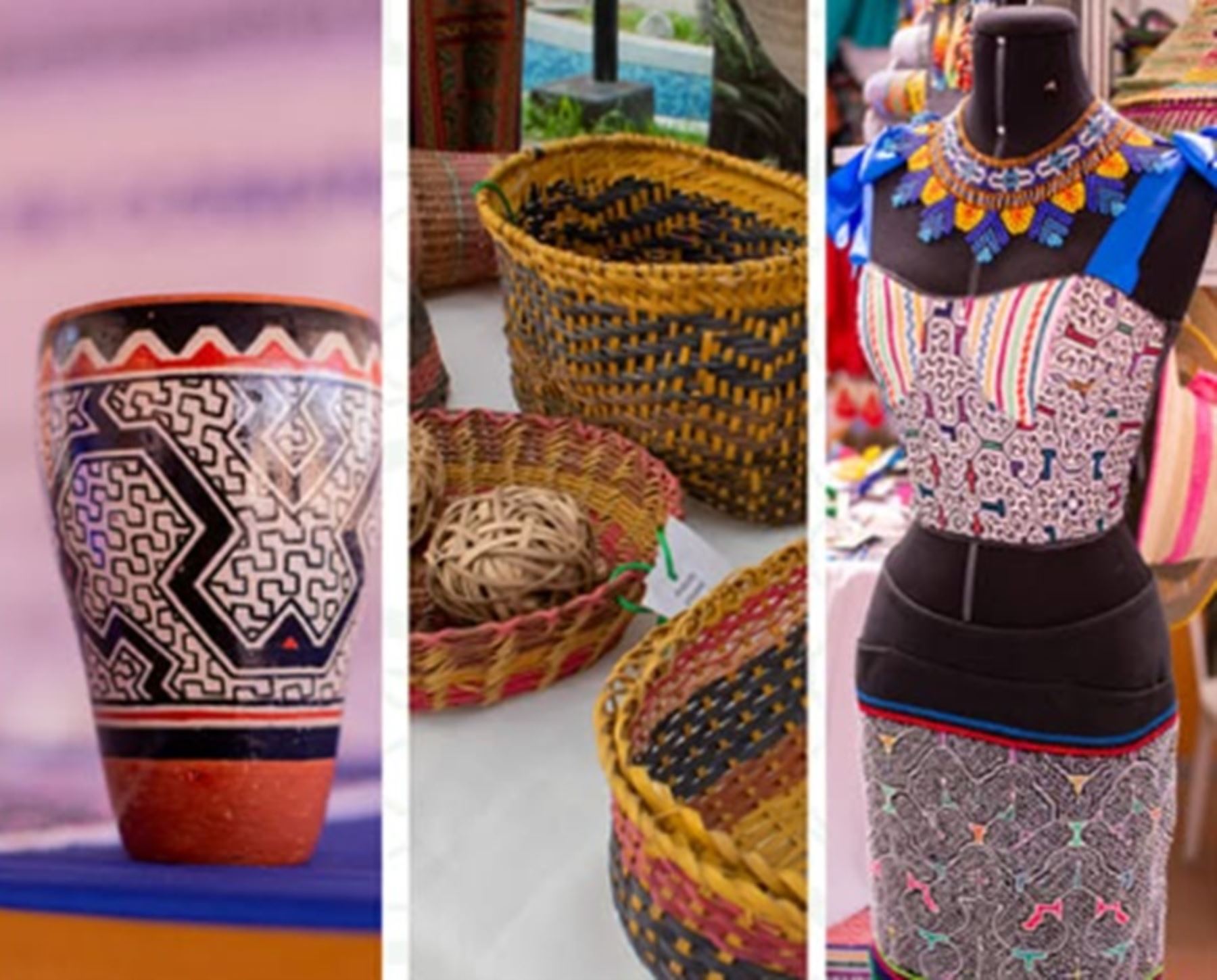
Key highlights include the 2nd Indigenous Expo (Expo Indígena) and the 7th Congress of Amazonian Entrepreneurs.
Below, discover the production, agro-industrial, and tourism offerings that will be showcased by the Ucayali region, the host of ExpoAmazónica 2026.
Production and agro-industrial offerings
Oil Palm and derivatives
The region will highlight its leadership as Peru’s primary producer of oil palm. The Central Committee of Oil Palm Growers of Ucayali (Cocepu) and companies such as Olamsa and Aopsa will present crude oil, shortenings, and—as an exciting new addition—a line of cosmetics and personal care products (including soaps, creams, and shampoos) derived from palm oil.
Cacao and derivatives
As one of Peru’s leading cacao-producing regions, Ucayali will showcase fine-aroma chocolates, cacao derivatives, and various processed cacao products at the fair.
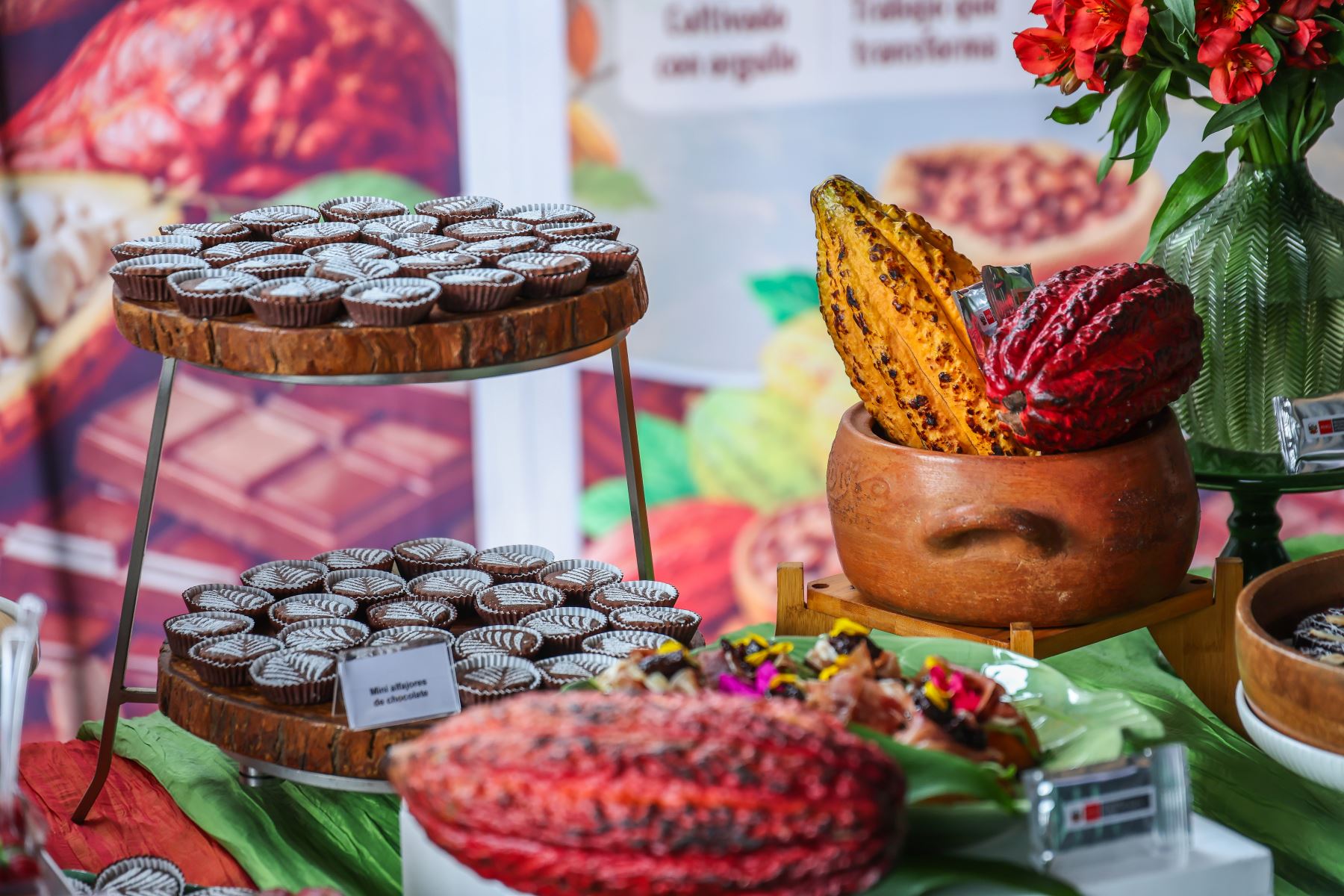
Visitors also will have the opportunity to sample papayas—a fruit for which the Ucayali region is a national leader in production—as well as other tropical fruits. They will also be able to view displays of treated timber and initiatives related to the bioeconomy.
Business partnerships and B2B meetings
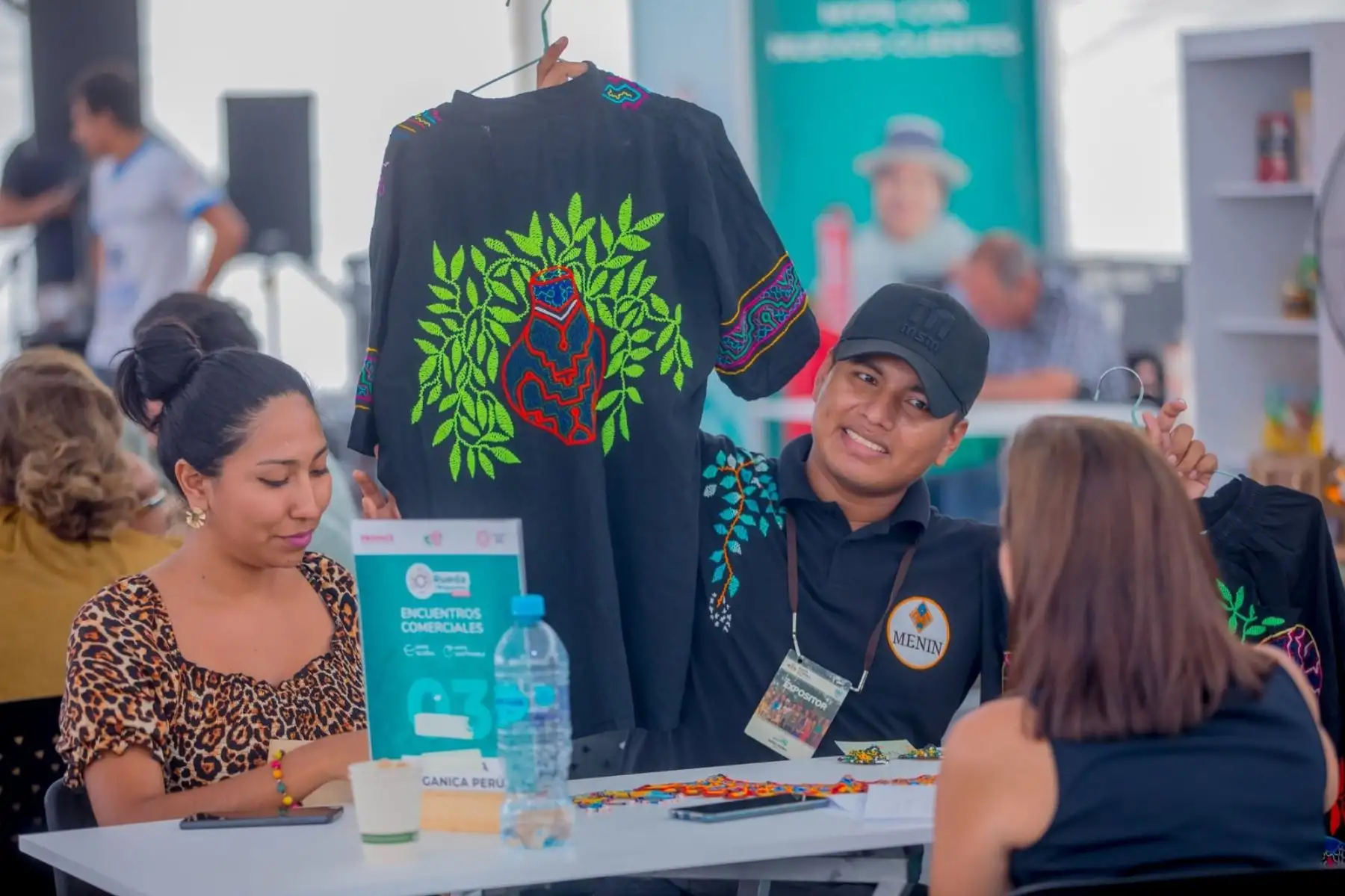
The fair will provide a platform for commercial engagement, connecting local producers with national and international buyers from North America, Europe, and Asia.
Tourism offerings
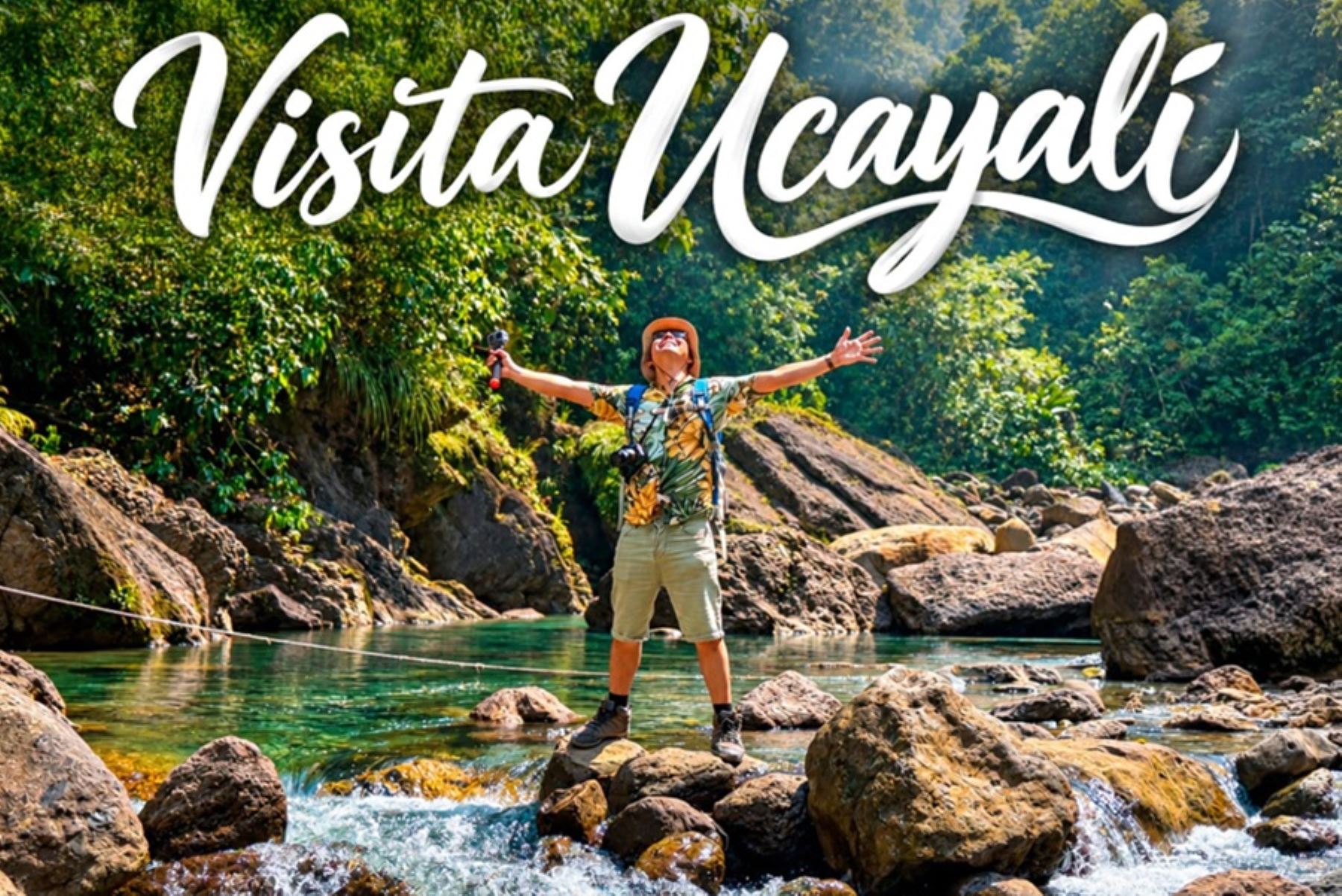
Attendees can also explore the diverse attractions of the Ucayali region, including immersive cultural experiences with native communities, adventure tourism, nature-based tourism, and health and wellness tourism.
Culture and gastronomy
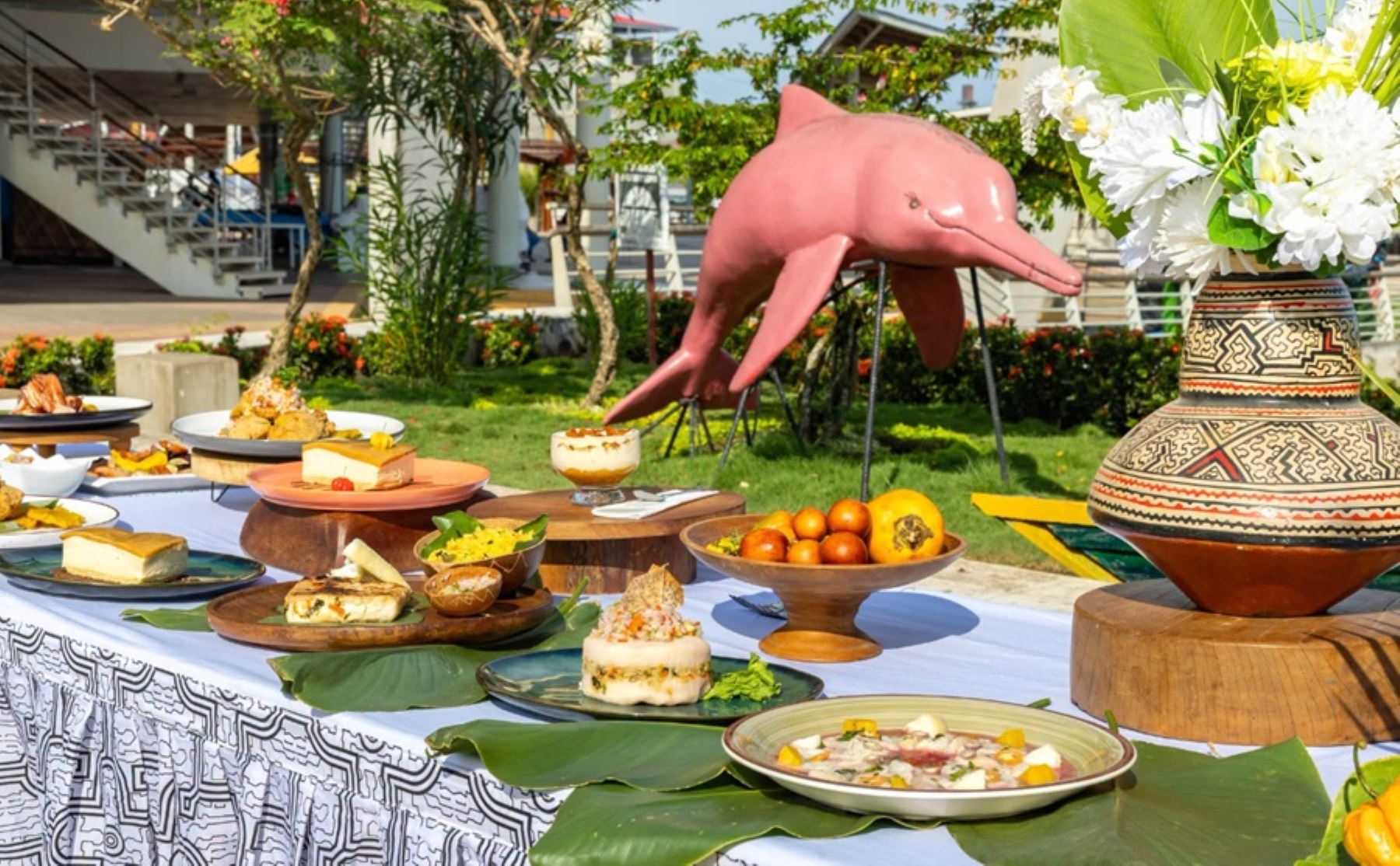
The fair will feature exhibitions of traditional regional handicrafts, music, and dances from Ucayali, along with culinary showcases of traditional dishes. There will also be live demonstrations by local and national chefs showing how Amazonian cuisine is prepared.
Academic events
The event will also host the 2nd Indigenous Expo and the 7th Congress of Amazonian Entrepreneurs (2026), with a focus on innovation, conservation, and sustainable development.
Tourist attractions in Ucayali
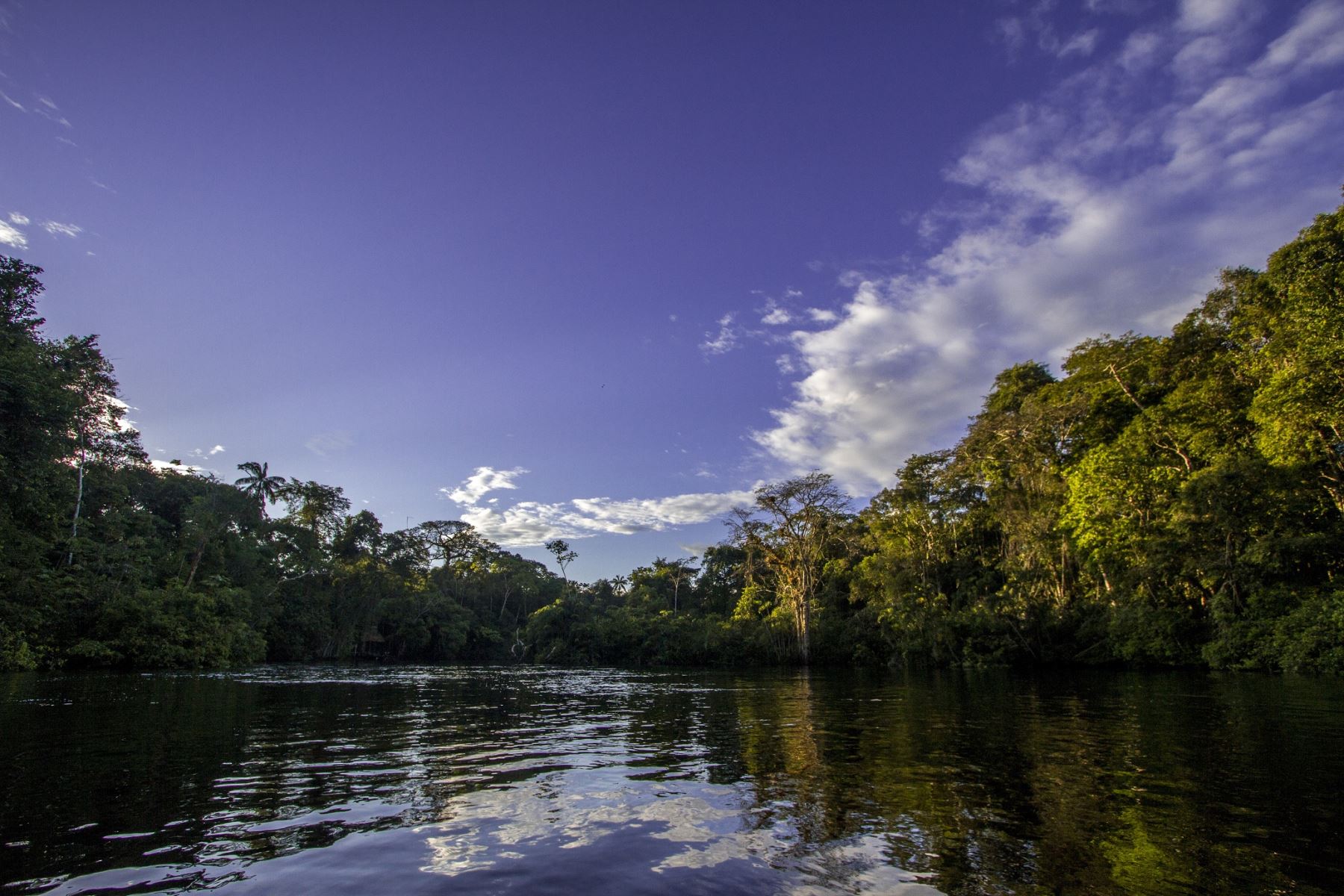
The Ucayali region boasts captivating natural beauty, immense biodiversity, a rich cultural heritage, and warm hospitality.
As the second-largest department in both Peru and the Amazon region, it possesses all the qualities that make it a must-visit destination—offering an experience that delights the senses and leaves a lasting impression on every visitor.
Below, we explore the main tourist attractions to be found in the city of Pucallpa and the surrounding region, particularly during the Ucayali Carnival.
The City of Pucallpa
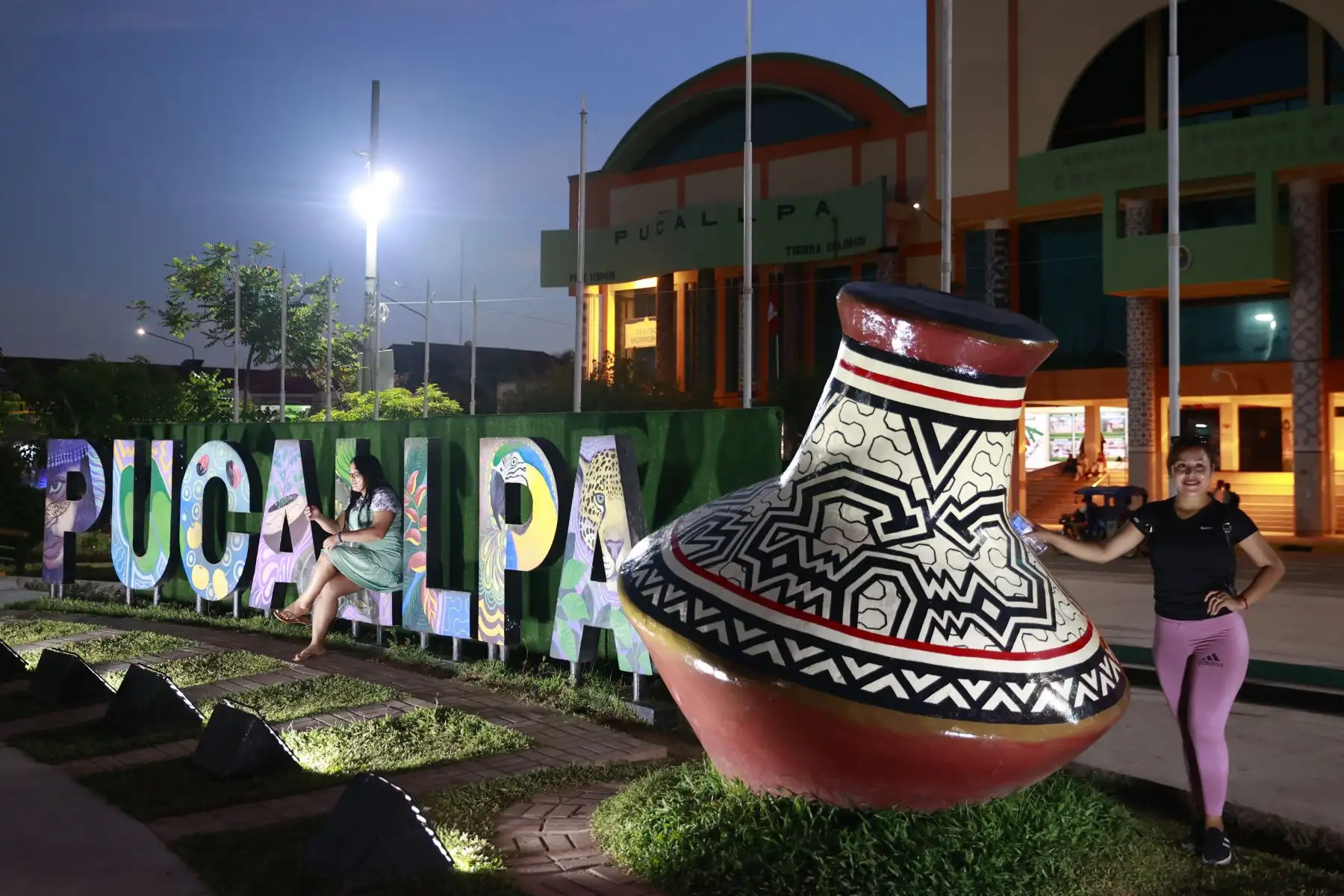
This unforgettable journey begins in the city of Pucallpa—a name meaning "red earth"—which was founded 130 years ago and currently serves as the capital of both the Coronel Portillo province and the Ucayali region.
At the heart of the city lies the Plaza de Armas. Featuring a modern design, it is anchored by a 25-meter-tall obelisk and a central ornamental fountain, complemented by sculptures made of granite, sand, and cement that depict the customs of the local mestizo and indigenous populations.
Also located here is a monument honoring Colonel Pedro Portillo Silva, a key figure in the development of the Amazon region.
Tacna Boulevard
Near the Plaza de Armas, you will find Tacna Boulevard, home to various restaurants, accommodations, and shopping areas where local handicrafts are sold.
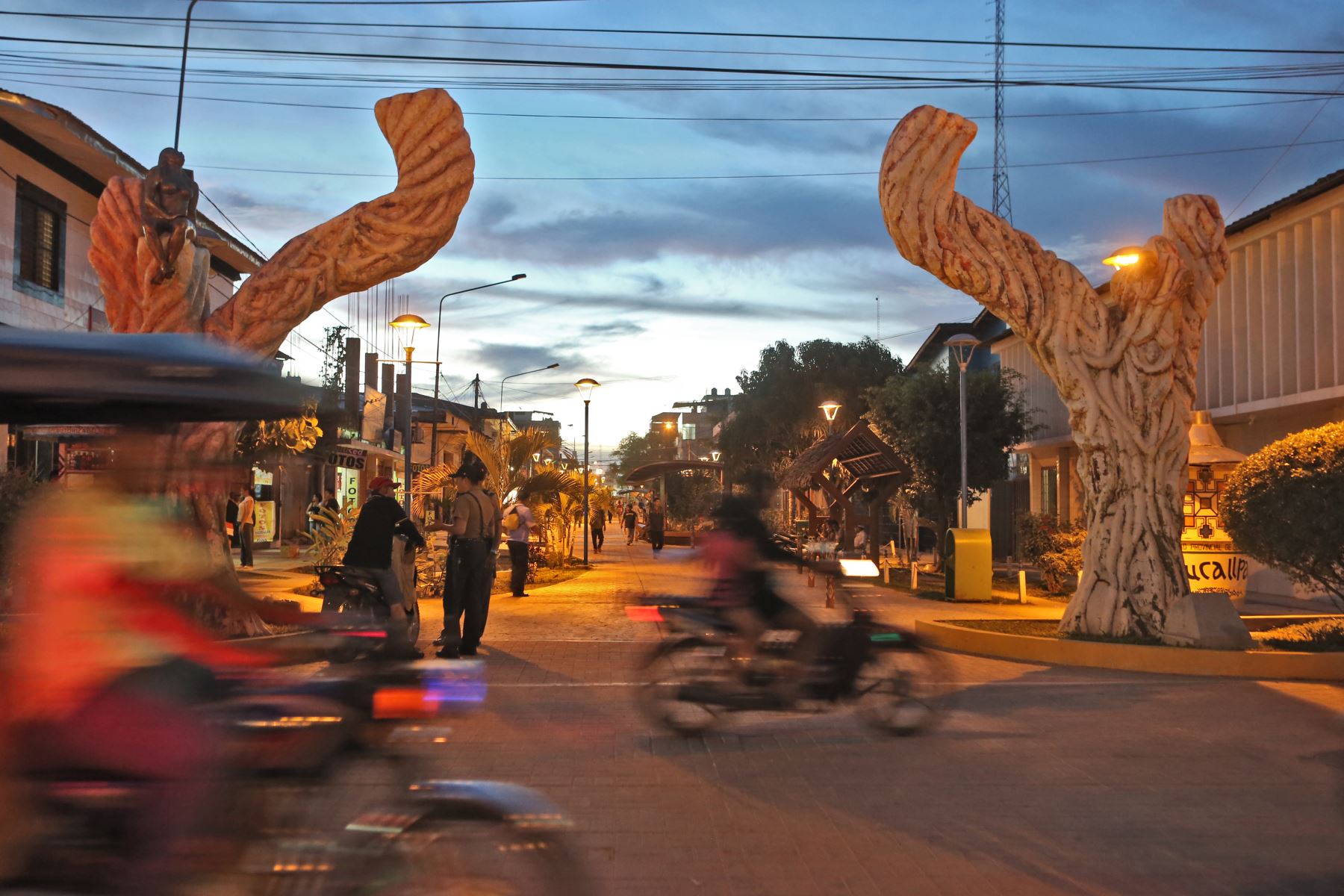
As you explore the city, you will encounter murals featuring Amazonian art—works that express shared sentiments while celebrating the natural and cultural heritage of Ucayali.
The Cathedral
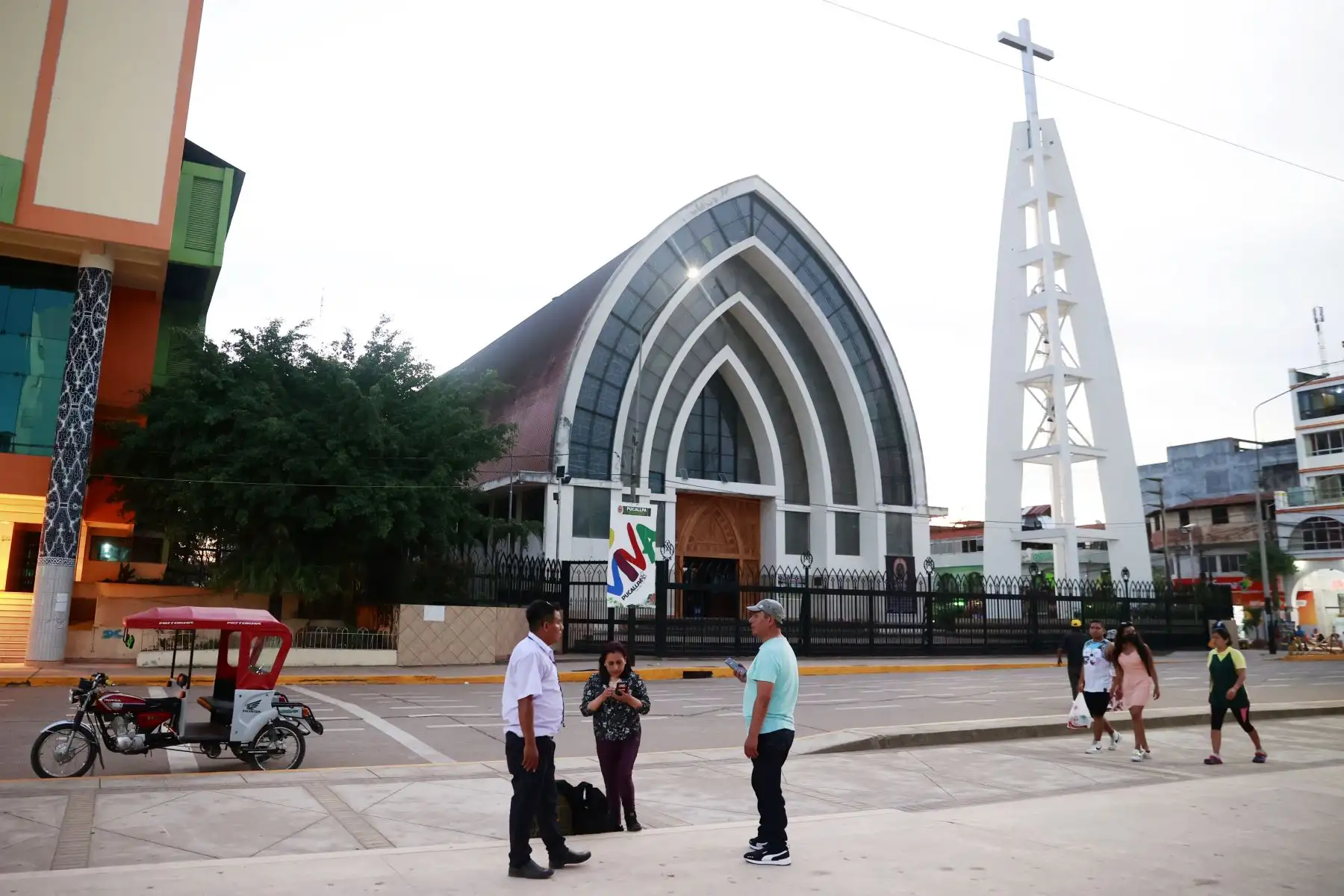
Another iconic landmark is the Cathedral of Pucallpa. Inaugurated in December 2006, it features a Neo-Gothic architectural style with pointed arches and was constructed using wood and porcelain tiles imported from Spain.
The bell tower rises to a height of 34 meters and houses three bells brought from Italy. Public Clock Plaza (Plaza del Reloj Público)
Also notable is the Public Clock Plaza, which houses a monument to the Peruvian naval hero Miguel Grau Seminario, as well as a large clock crowning a 25-meter-tall tower. The tower features geometric patterns that represent the indigenous Yine people.
Constructed between 1950 and 1951, it was the city’s first public square. The tower includes an observation deck that offers a view of the majestic Ucayali River.
11 de Agosto Community
Located on an island, this community is a 20-minute boat ride from the port of Callao, within the expansive Yarinacocha Lagoon. Founded on August 11, 1980, it is home to approximately 200 residents who specialize in handicrafts.
These are crafted primarily from fibers carefully gathered from the forest—such as caña brava, sinami, bombonaje, and banana tree bark.
Using these organic raw materials, the residents create items such as hats, fans, purses, bags, jewelry boxes, coasters, and placemats, among other functional objects. From the island’s shores, one can enjoy a beautiful view of Yarinacocha Lagoon.
San Francisco Native Community
This is the oldest and largest settlement among the native communities of the Shipibo, an indigenous Amazonian people.
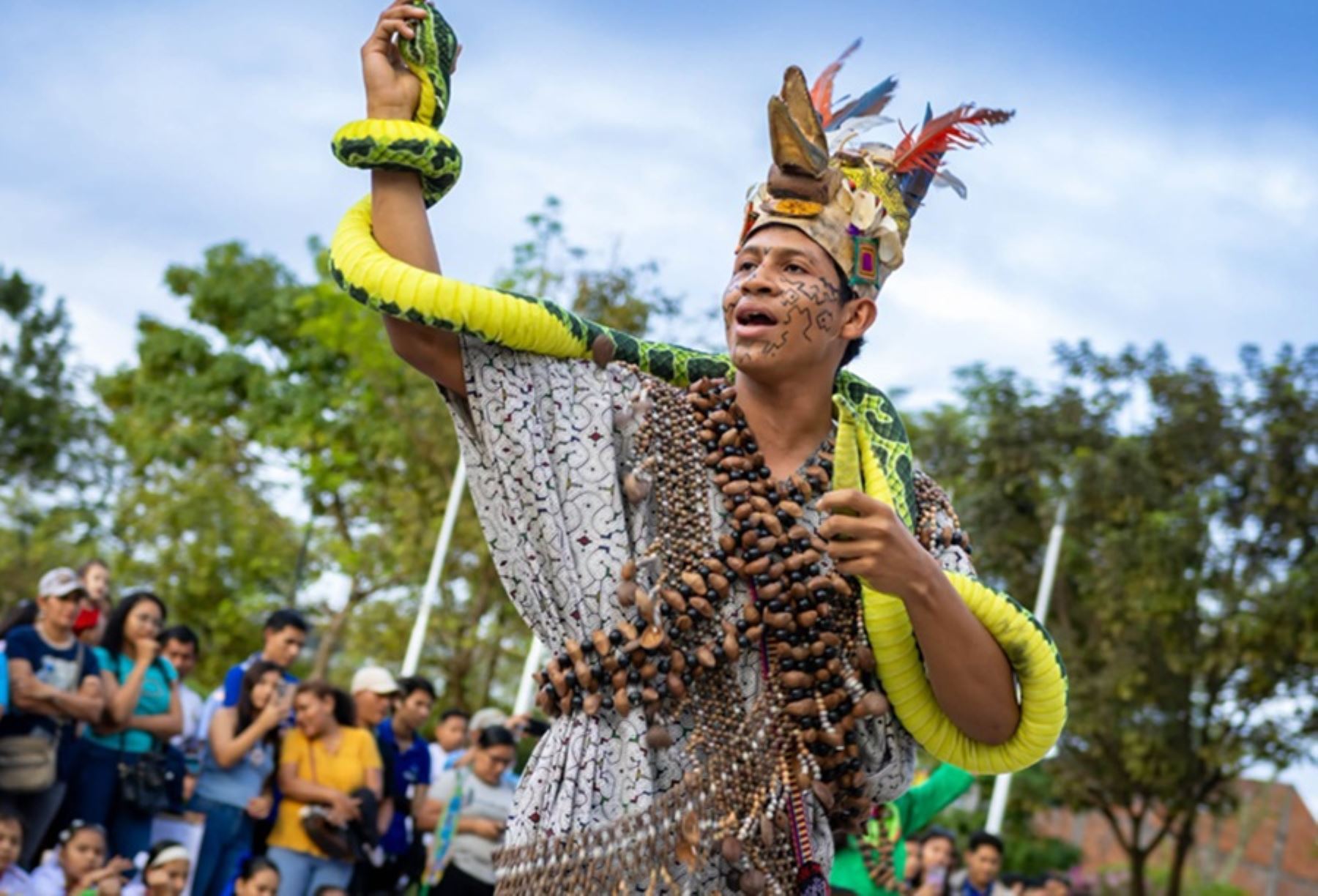
Its inhabitants engage in agriculture, fishing, and tourism. The community preserves its ancestral customs, including its language, dances, music, traditional painting (reflecting their worldview), attire, cuisine, traditional medicine, and characteristic dwellings.
In the vicinity of the community, visitors can explore the Plaza de la Charapita, go hiking, set up camp, and observe the local flora and fauna. In the evenings, one can participate in shamanic sessions and consume ayahuasca—a beverage prepared from a hallucinogenic plant, used since ancient times by shamans or indigenous priests to access Amazonian wisdom and supernatural powers.
Santa Clara Native Community
This is another notable community of the Shipibo indigenous people, whose inhabitants preserve their ancestral customs, language, traditional clothing, handicrafts, and typical dwellings.
The residents engage in agriculture, fishing, gathering, traditional medicine, and tourism. The community is an ideal place to learn about Shipibo culture. In the evenings, visitors can take part in shamanic sessions involving the consumption of ayahuasca beverage.
Antonio Reátegui Rengifo Ethnographic and Natural History Museum
This is one of the first museums of its kind established in the Peruvian Amazon. It is located at the intersection of Avenida San Juan and Jirón Alfonso Ugarte, in the hamlet of San Juan de Yarinacocha.
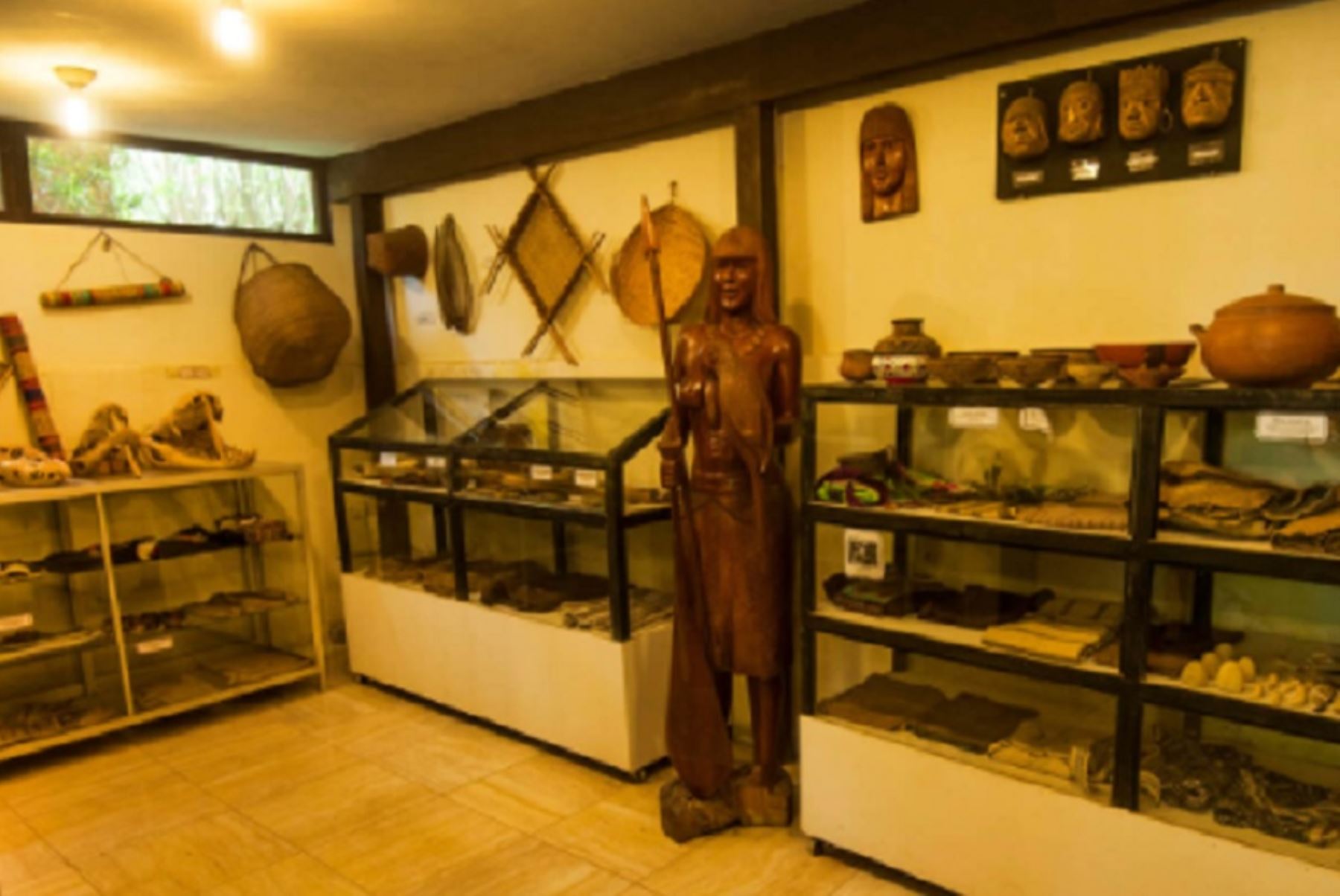
The museum features ethnographic exhibits, photographs, taxidermy, traditional indigenous clothing, ancient ceramics, fishing gear, hunting and, weaponry, among other artifacts from the indigenous communities of the Ucayali region.
Cashibococha Lagoon
Located 25 kilometers from the center of the city of Pucallpa, this large lagoon is rich in fish, making it an ideal spot for sport fishing; boat trips are also available.
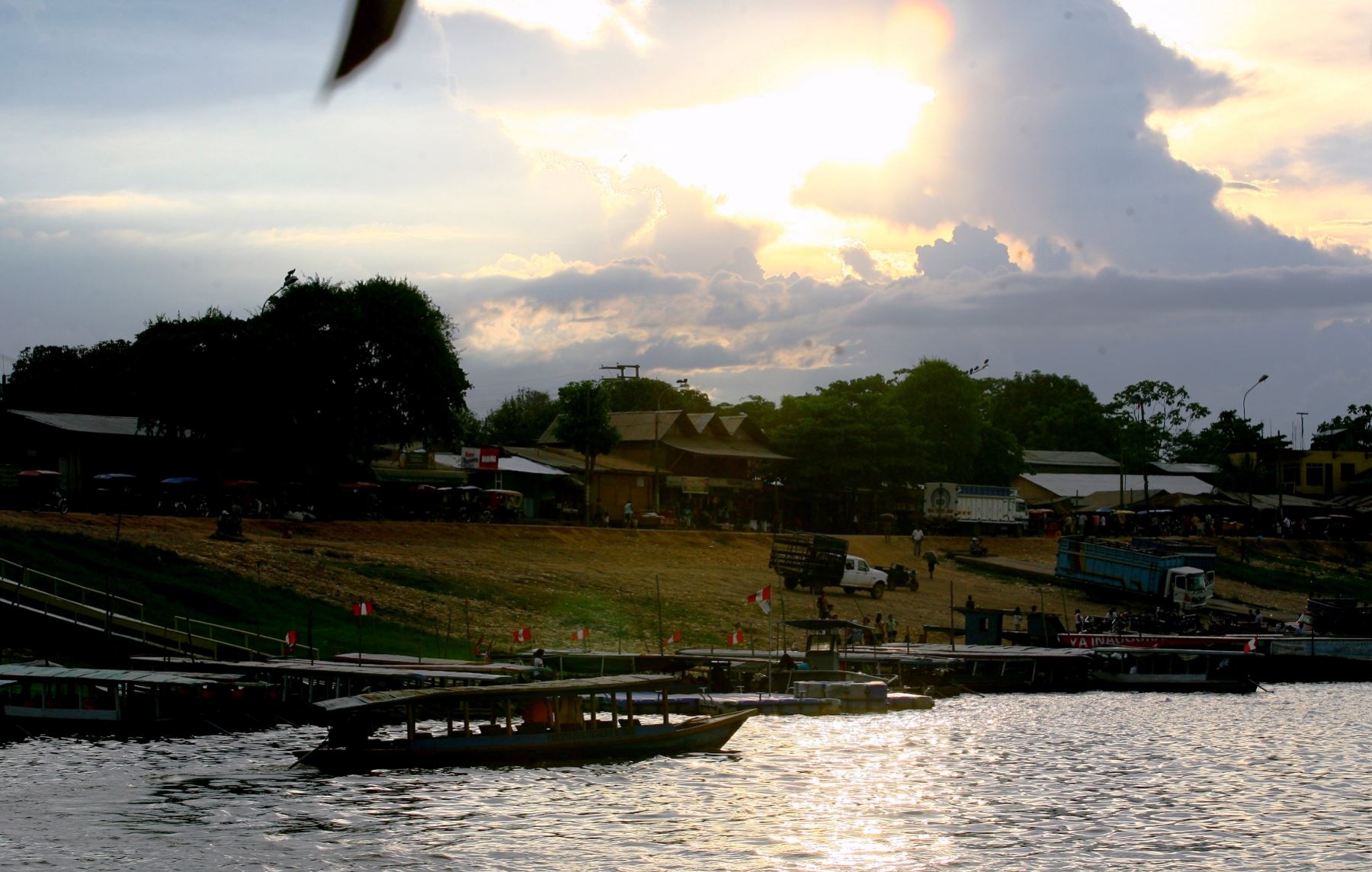
Along its shores lie various communities of the indigenous Shipibo people—such as Santa Teresita and San Salvador—noted for their beautiful handicrafts, particularly their hand-painted textiles.
The lagoon features the Cashibococha channel, which connects it to Yarinacocha Lagoon. Establishments around the lagoon offer services for water sports and traditional, small-scale fishing.
Yarinacocha Lagoon
A visit to Pucallpa would not be complete without seeing the beautiful Yarinacocha Lagoon. With its warm, calm waters, it is an ancient meander of the Ucayali River, formed when the river changed its course.
During the rainy season, the lagoon connects to the Ucayali River via channels. This connection ensures an abundance of fish and allows the lagoon’s waters to be periodically replenished.
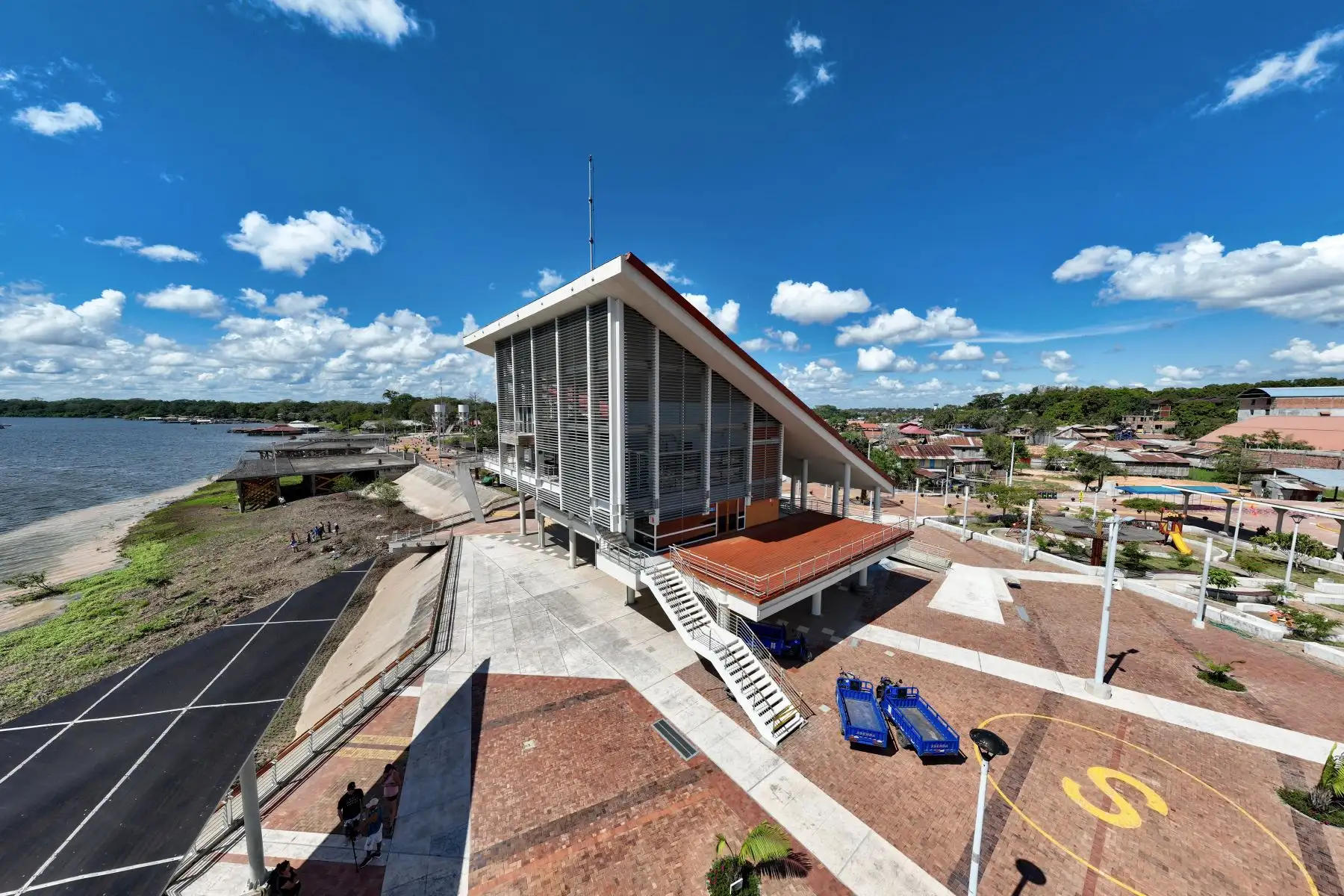
Visitors to the lagoon can enjoy fishing, water-skiing, swimming, rowing, and observing birds and freshwater dolphins. The area surrounding the lagoon offers various accommodations, lodges, and restaurants. Visitors can sample local cuisine, purchase seasonal fruits, and browse for handicrafts. During the dry season, one can visit "Restinga" beach, which boasts stunning scenery.
Sierra del Divisor National Park
Officially established in November 2015, this state-protected area is the third-largest national park in Peru. It encompasses the oldest mountain complex found within the vast plains of the Peruvian Amazon.
Sierra del Divisor National Park features spectacular landscapes along the border with Brazil, forming a biological corridor that spans more than 3 million hectares.
It encompasses territories within the province of Coronel Portillo, in the department of Ucayali, as well as the provinces of Ucayali, Requena, and Maynas, located in the department of Loreto.
It covers an area of 1,354,485.10 hectares. The mountains that make up the Sierra del Divisor are characterized by steep slopes and form a watershed divide at an elevation of over 900 meters above sea level.
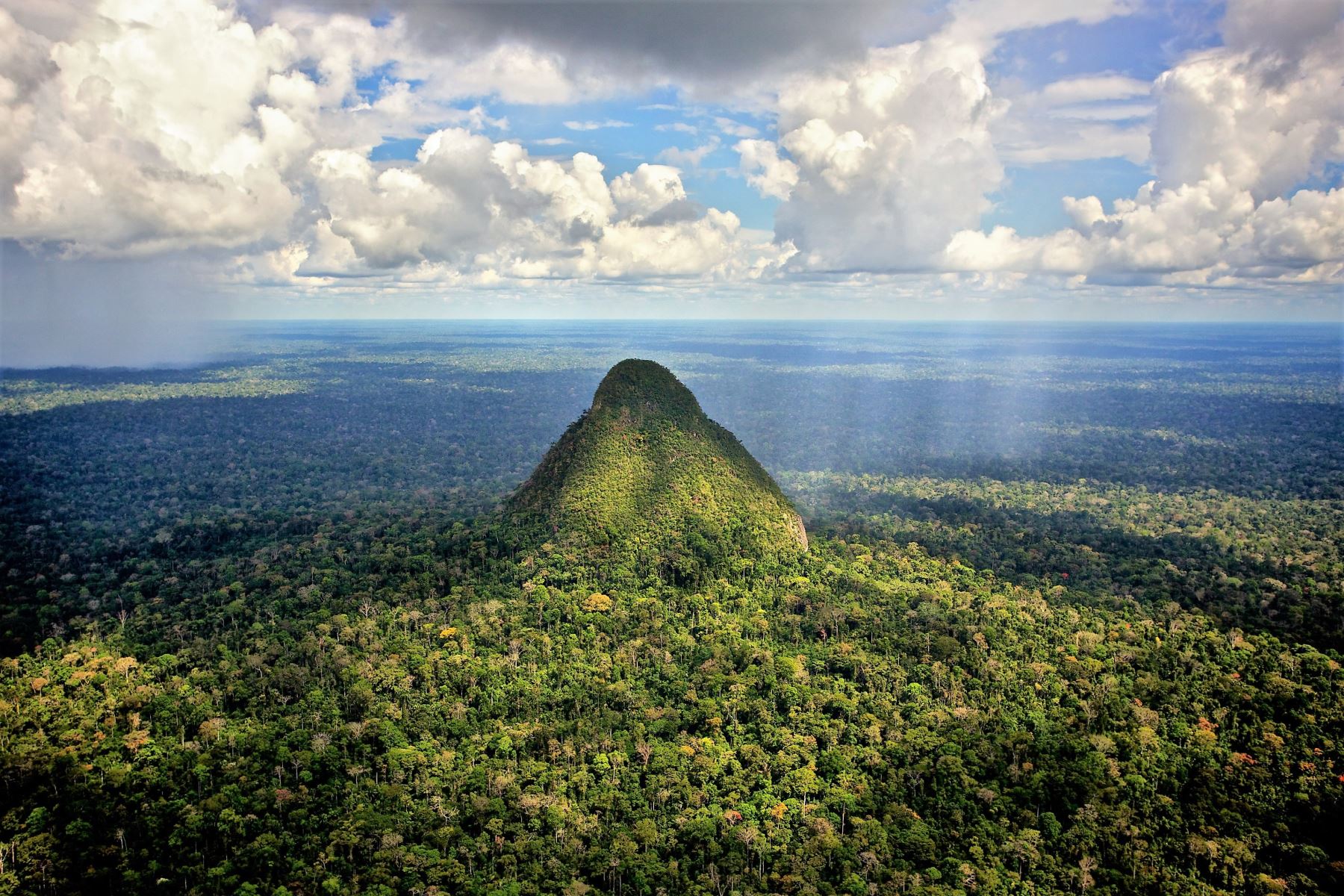
The complex of volcanic cones and hills found in the Contamana-Abujao-El Divisor region serves as the headwaters for countless small basins that drain into the Ucayali River in Peru and the Yuruá River in Brazil.
In the latter country, there is a complex of protected natural areas adjacent to the Park, which together form a biological corridor spanning more than three million hectares. Geologically, the Sierra del Divisor is one of the oldest parts of the Amazon, featuring spectacular and largely inaccessible landscapes.
Sierra del Divisor National Park contains areas that have remained largely undisturbed and are exceptionally well-preserved.
These areas encompass ecosystems and biological communities—including endemic flora and fauna with restricted ranges—making the region highly significant. Furthermore, the park boasts numerous waterfalls, hot springs, and macaw clay licks, all of which are remarkably beautiful and compelling.
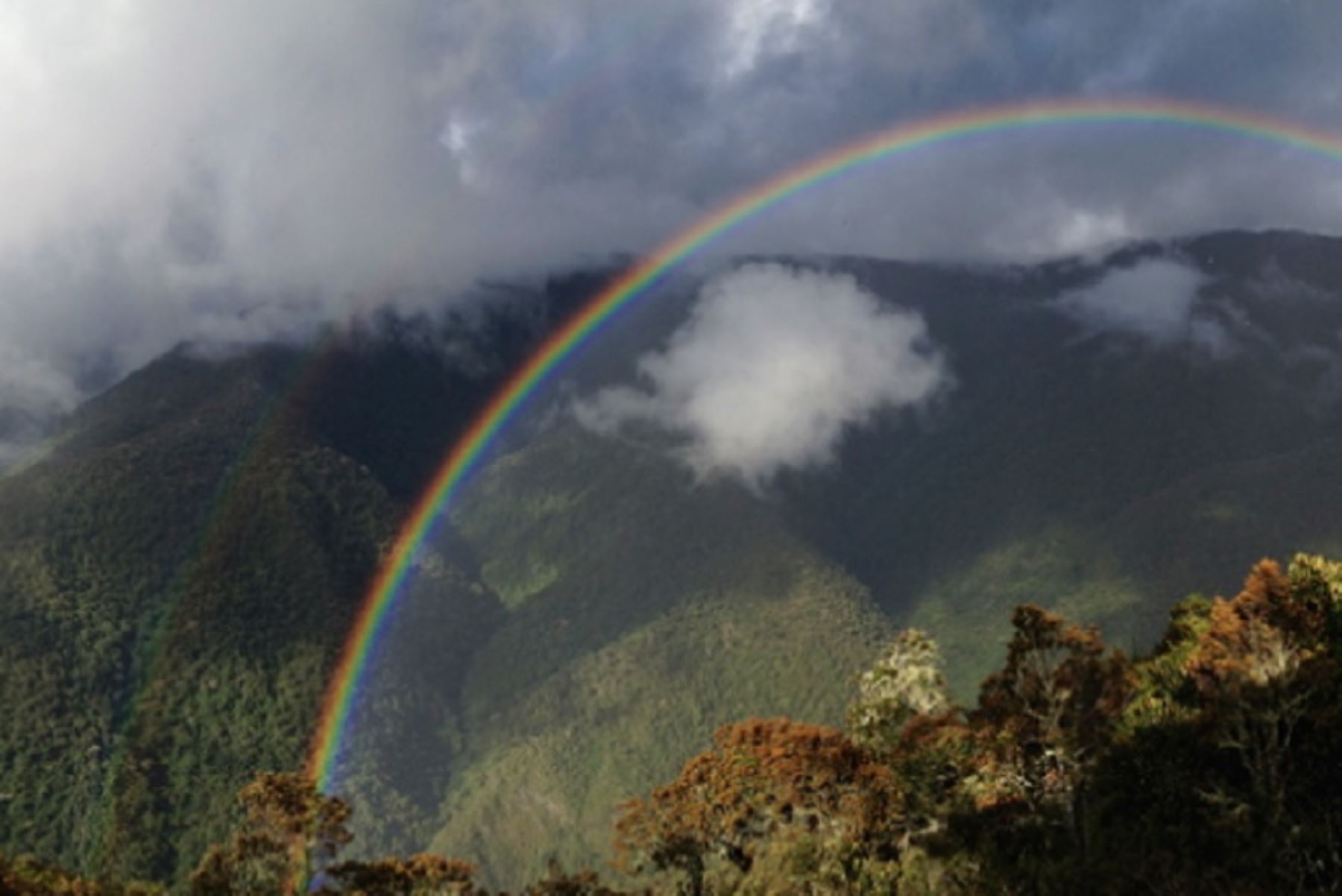
The unique geographical setting of Sierra del Divisor National Park, with its isolated mountains, has fostered a high degree of endemism; in other words, the area is home to species that exist nowhere else.
The *Thamnophilus divisorius*—also known as the Acre antshrike, named after the neighboring Brazilian region where it was first recorded in 2004—is found exclusively in the Sierra del Divisor. This bird was subsequently discovered in Peru as well. Sierra del Divisor National Park boasts high biological diversity, as it is home to the greatest number of primate species in Peru (16 species).
When both sides of the border—including the Brazilian side—are taken into account, the number of primate species rises to 18, representing one of the highest counts in the world.
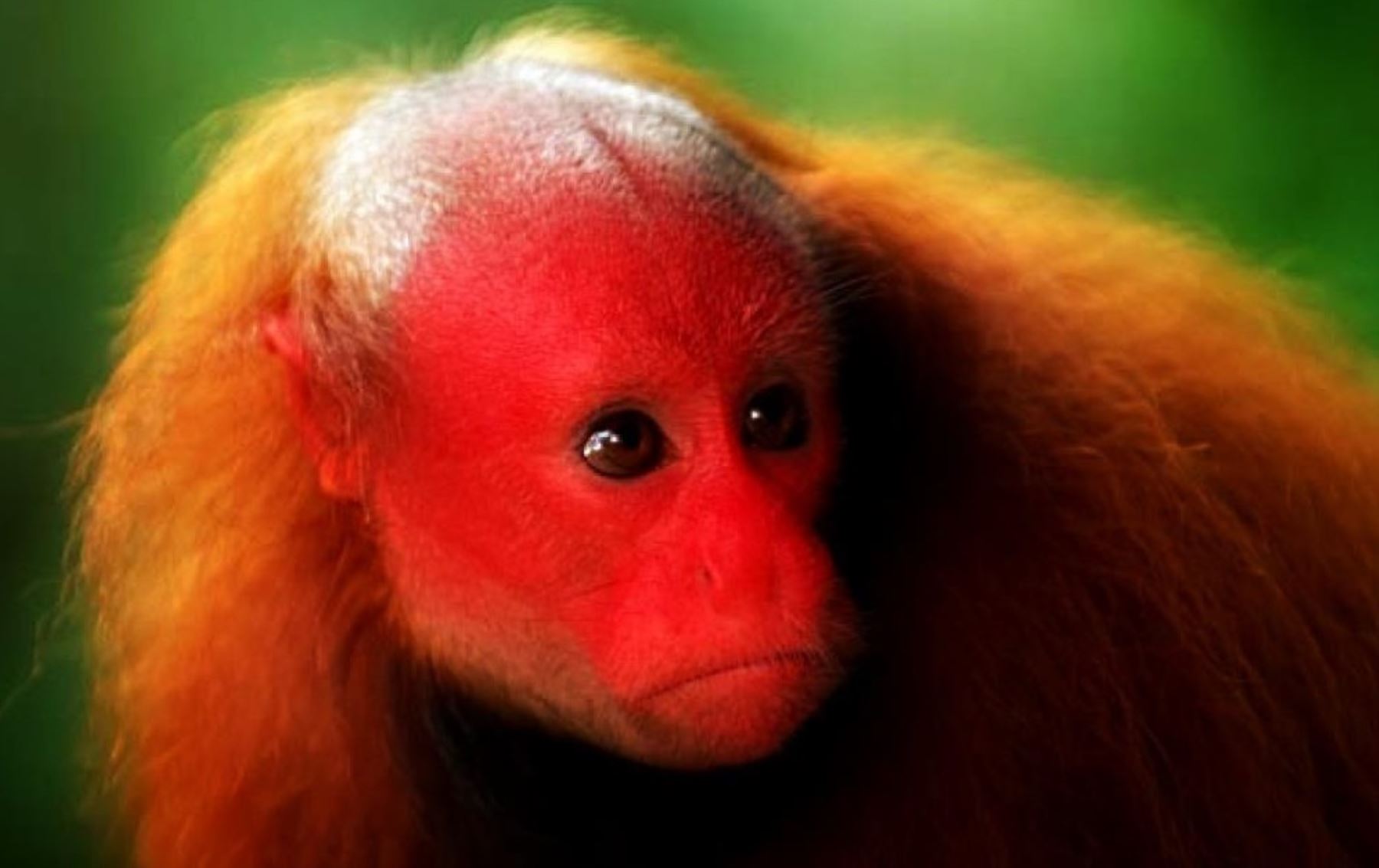
Notable species include the bald uakari, the woolly monkey, the howler monkey, the black-capped capuchin, the tamarin, the spider monkey, the white-fronted capuchin, and the pygmy marmoset.
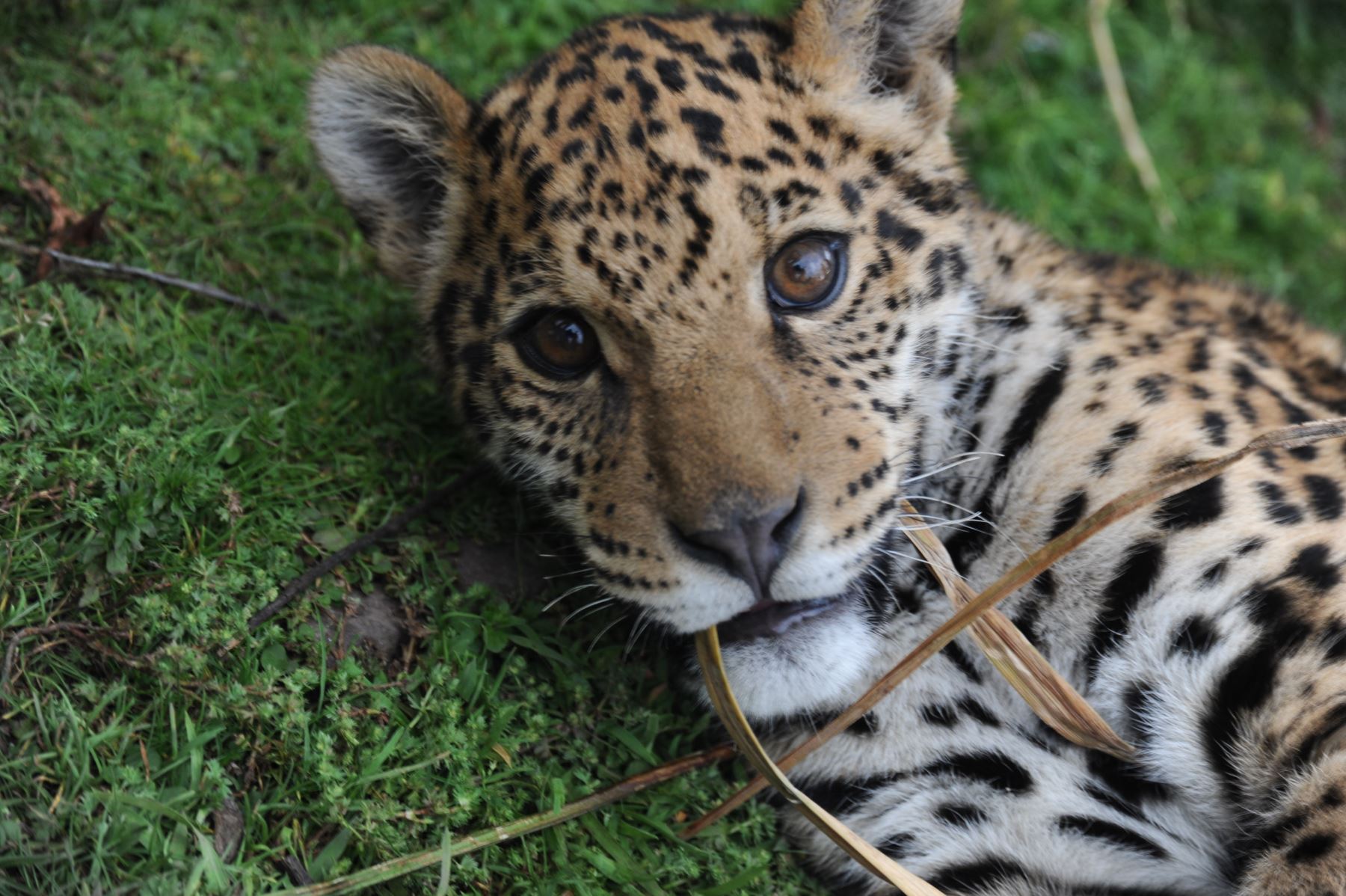
Other mammals have also been documented, such as the South American tapir, the white-lipped peccary, the collared peccary, the giant anteater, and the giant armadillo, as well as carnivores like the jaguar, the bush dog, the river otter, and the short-eared dog.
Regarding birds, four species new to science have been recorded to date, three of which are found exclusively on the peaks of isolated mountains. Representative species include guans, the *Divisorius* bird, macaws and other large parrots, and herons.
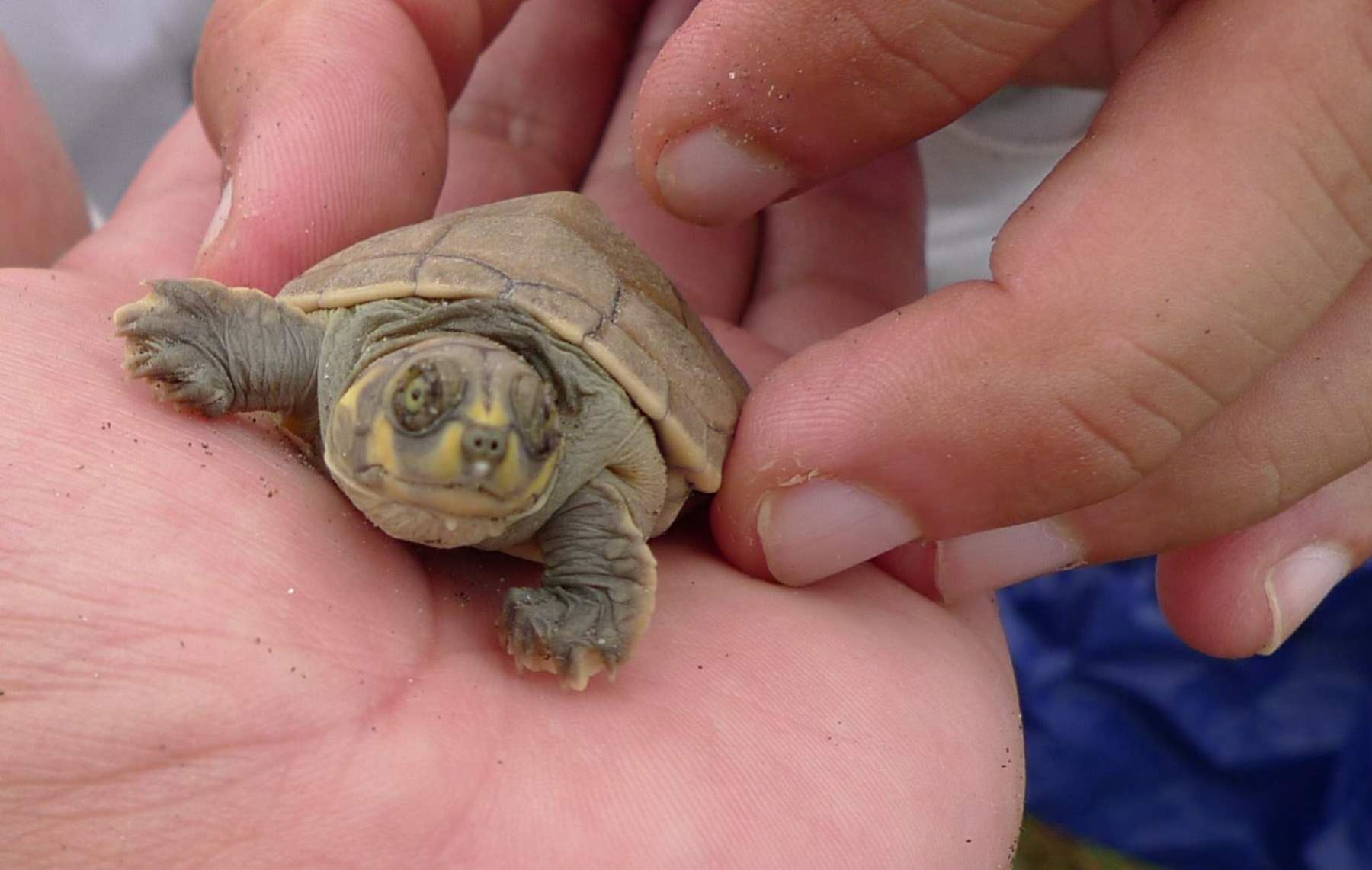
Among the amphibians and reptiles, notable species include the yellow-spotted river turtle, the yellow-footed tortoise, the spectacled caiman, various poison dart frogs, and the largest species of gecko in the Amazon.
Regarding the flora, there are two plant associations that are likely unique. The first consists of dwarf forests and patches of terrestrial bromeliads, which grow on the dry summits of ancient limestone formations within the Contamana, Contaya, and Jaquerana mountain ranges, located in the northern half of the park.
The second plant association grows on the cliffs and ancient granite summits of extinct volcanoes—including Cerro San Lucas—in the southern half of Sierra del Divisor National Park.
Both types of vegetation are home to dozens of plant species unknown to science, several of which are found exclusively in the Sierra del Divisor.
Tourist Routes
Sierra del Divisor National Park contains the only mountainous region east of the Ucayali and Loreto departments that rises above the lowland rainforest, featuring isolated peaks such as "El Cono" (also known as Cerro Aguja) and San Lucas. However, these natural viewpoints are located in a remote, hard-to-reach area in the southern part of the protected territory.
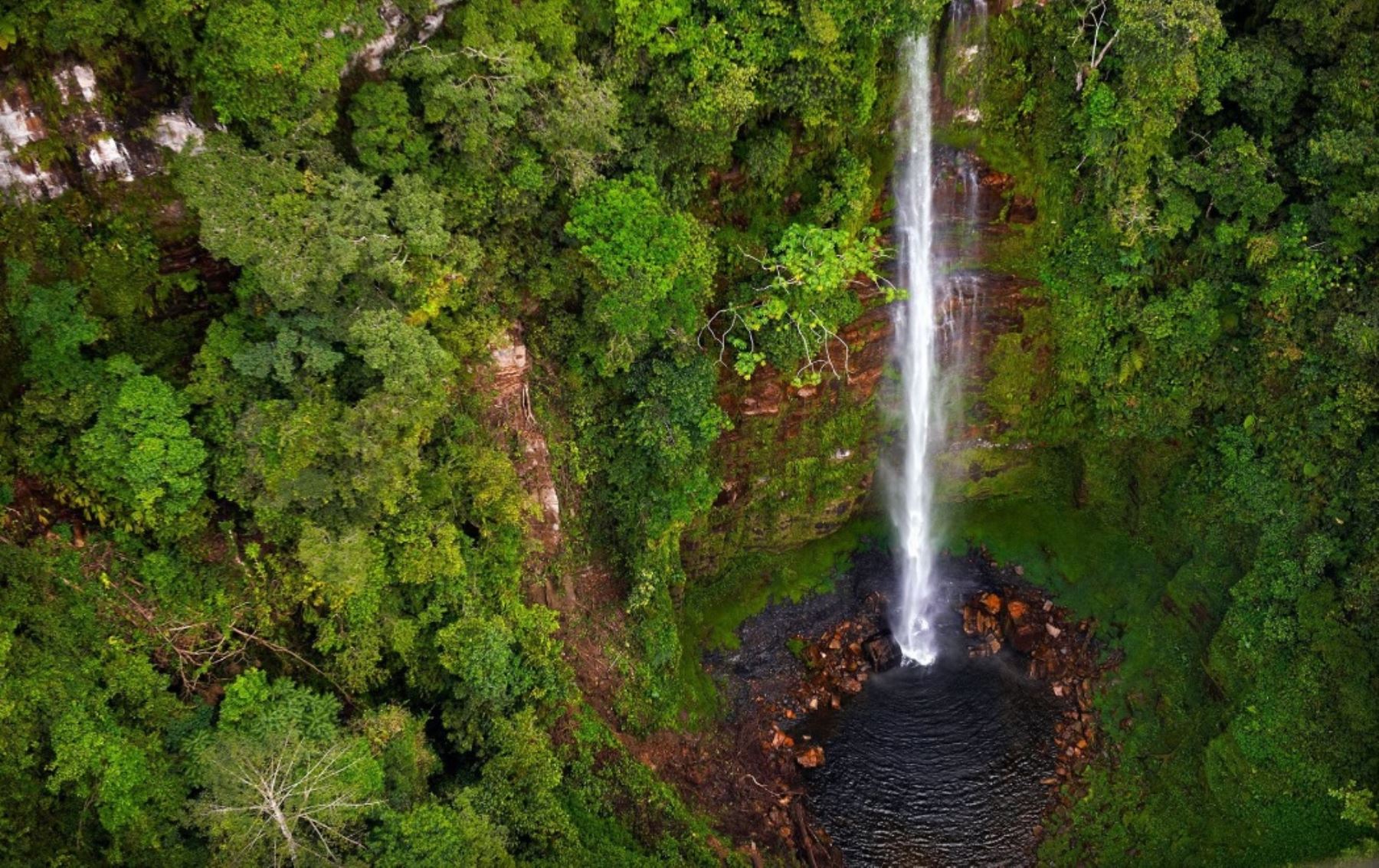
On the western side, a 20-kilometer journey along a dirt road from the city of Contamana leads to the sulfurous hot springs of Aguas Calientes. Additionally, there is a macaw clay lick located 40 kilometers from Contamana, accessible via a hiking trail that winds through dense rainforest; it is situated near a beautiful waterfall known as "El Llanto de la Anaconda" (The Anaconda’s Weeping).
Traditional Gastronomy
The Ucayali region offers a wide array of Amazonian dishes, crafted from its abundant natural resources and culinary knowledge passed down through generations.
These traditions have been refined with innovative gastronomic techniques, adding value while preserving the distinct identity of the Ucayali region. Discover and savor the iconic dishes that represent the very best of Ucayali’s cuisine.
Juane
This is the signature dish of the region and, indeed, of the entire Peruvian Amazon. This is a flavorful dish prepared with rice, hard-boiled eggs, hen, and spices, all wrapped and cooked within a bijao leaf—a leaf that symbolizes the head of Saint John the Baptist, the patron saint of the Peruvian Amazon.
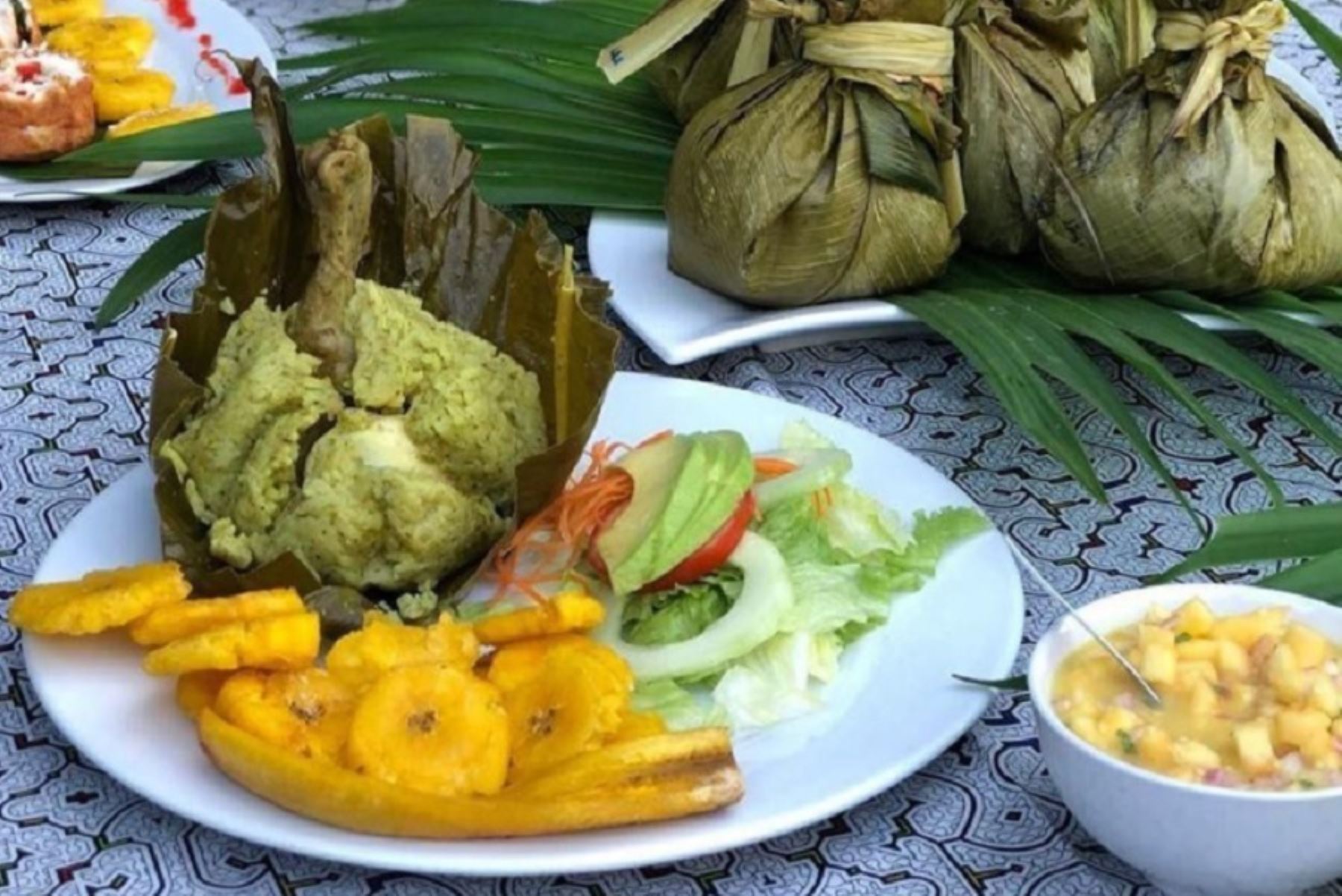
Homemakers typically head to the market early—ideally the day before the festivities—to gather the ingredients needed to prepare this iconic Amazonian dish. Beyond the classic rice-based *juane*, there are several other varieties, depending on the ingredients used:
Juane de yuca: Made with ground cassava instead of rice, and filled with fish—most notably *paiche*.
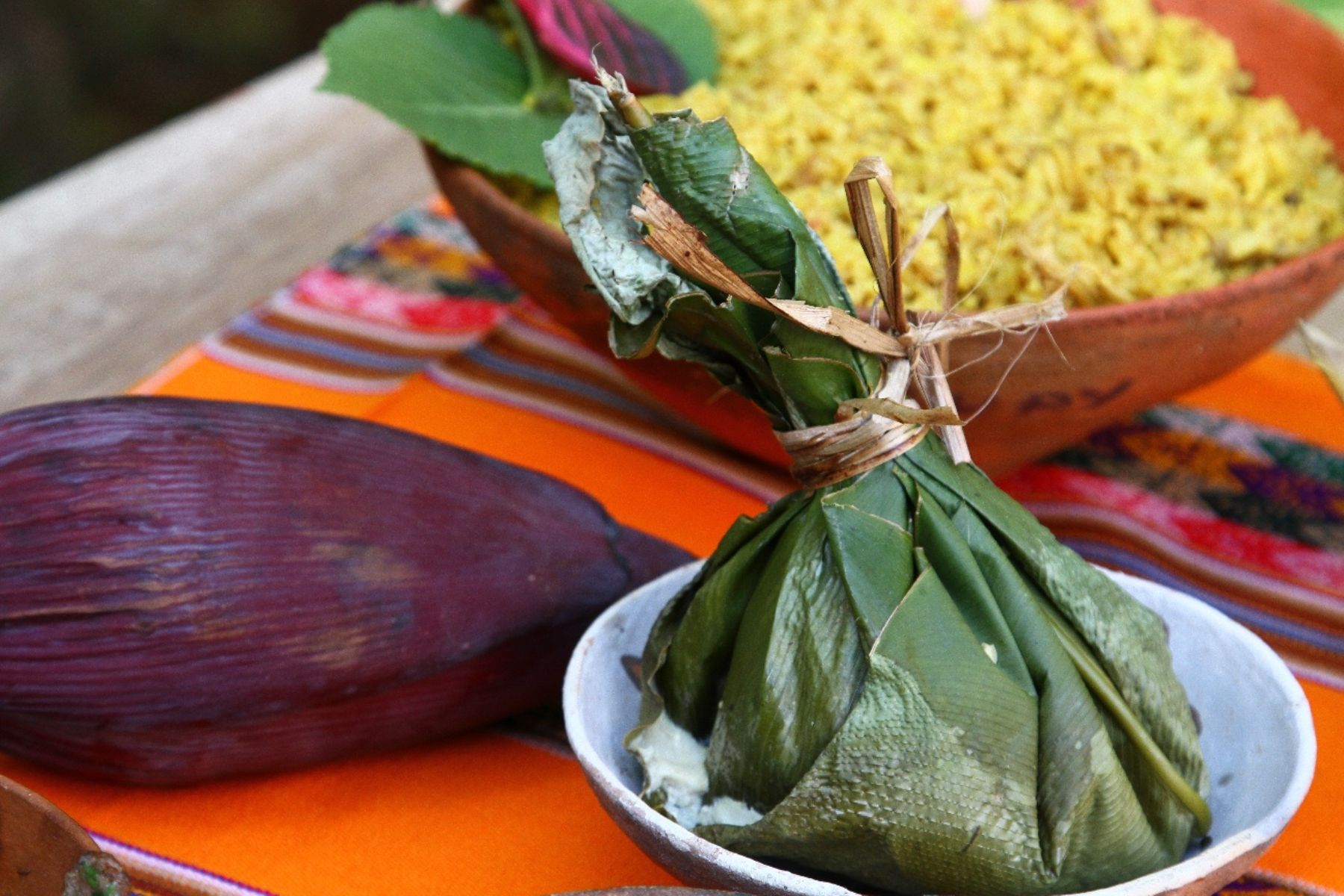
Avispa Juane: Ground pork is added to the rice to form the base, which is then stuffed with a piece of fried hen.
Nina Juane: This version uses pieces of hen and beaten egg instead of rice.
Sara Juane: Instead of rice, this variety features a mixture of ground raw peanuts, ground corn, and chicken broth.
Juane de chonta: Chopped chonta (palm heart/fruit) is added to the rice mixture.
Tacacho con cecina
This is another iconic dish of the Peruvian Amazon, prized both for its popularity and its delicious flavor.
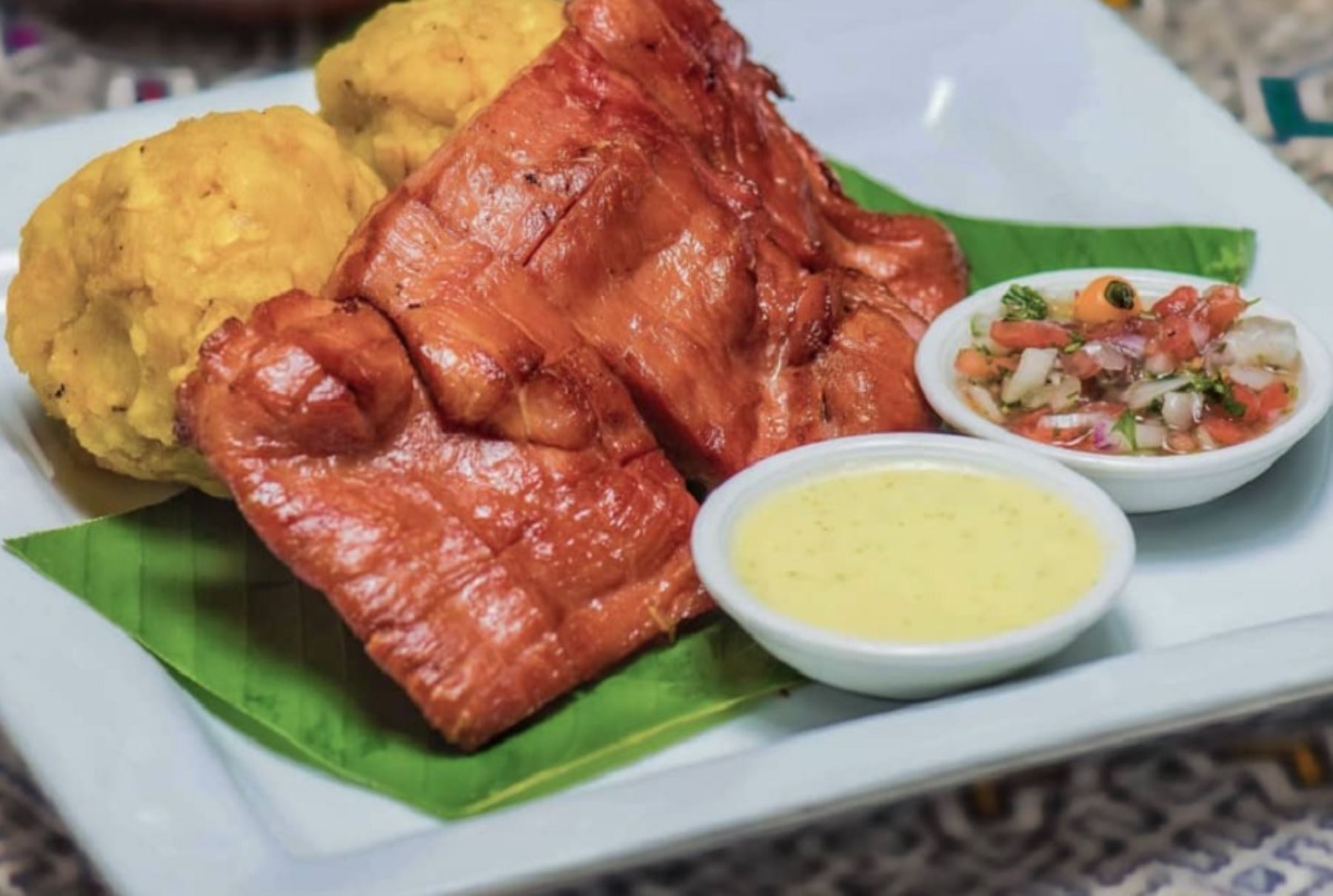
It is made from cooked, mashed green plantains mixed with pork lard, shaped into fist-sized spheres, and stuffed with pieces of cecina—a traditional Amazonian smoked meat. It is served alongside a generous portion of fried cecina and grilled ripe plantains.
Patarashca
This is a traditional dish in which fish takes center stage. This dish is prepared using fresh river fish, seasoned on the inside with local spices, wrapped in a bijao leaf, and grilled.
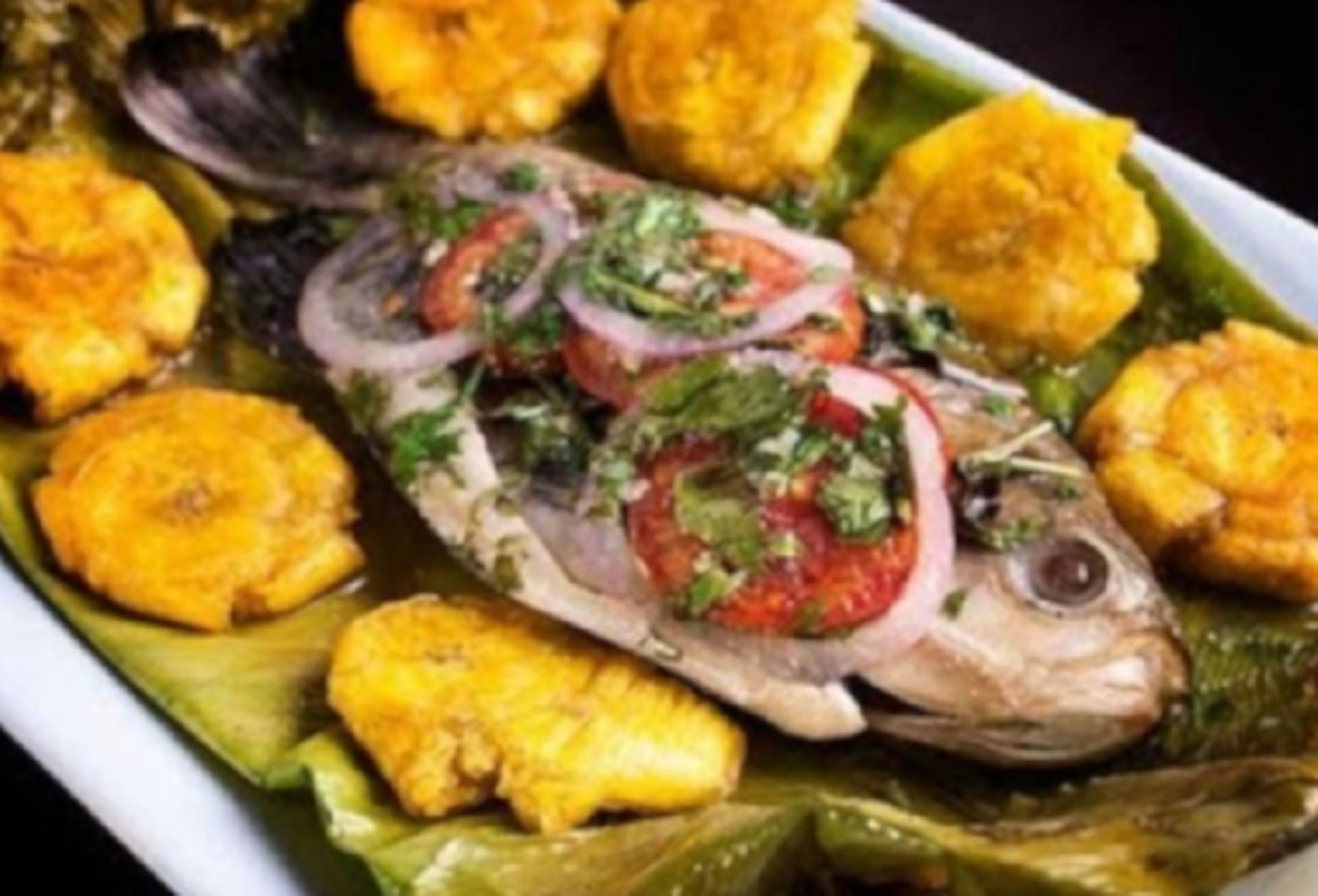
The result is a flavorful, smoked fish, perfectly paired with plantains or boiled cassava, a cocona chili sauce, and a refreshing camu camu drink—a fruit hailed as a superfood for its exceptional nutritional properties.
Inchicapi
The name of this dish comes from the Quechua words inchik (peanut) and api (soup). Known as the "soup of power" among the people of the Peruvian Amazon, inchicapi provides the energy needed to get through a full day’s work without fatigue.
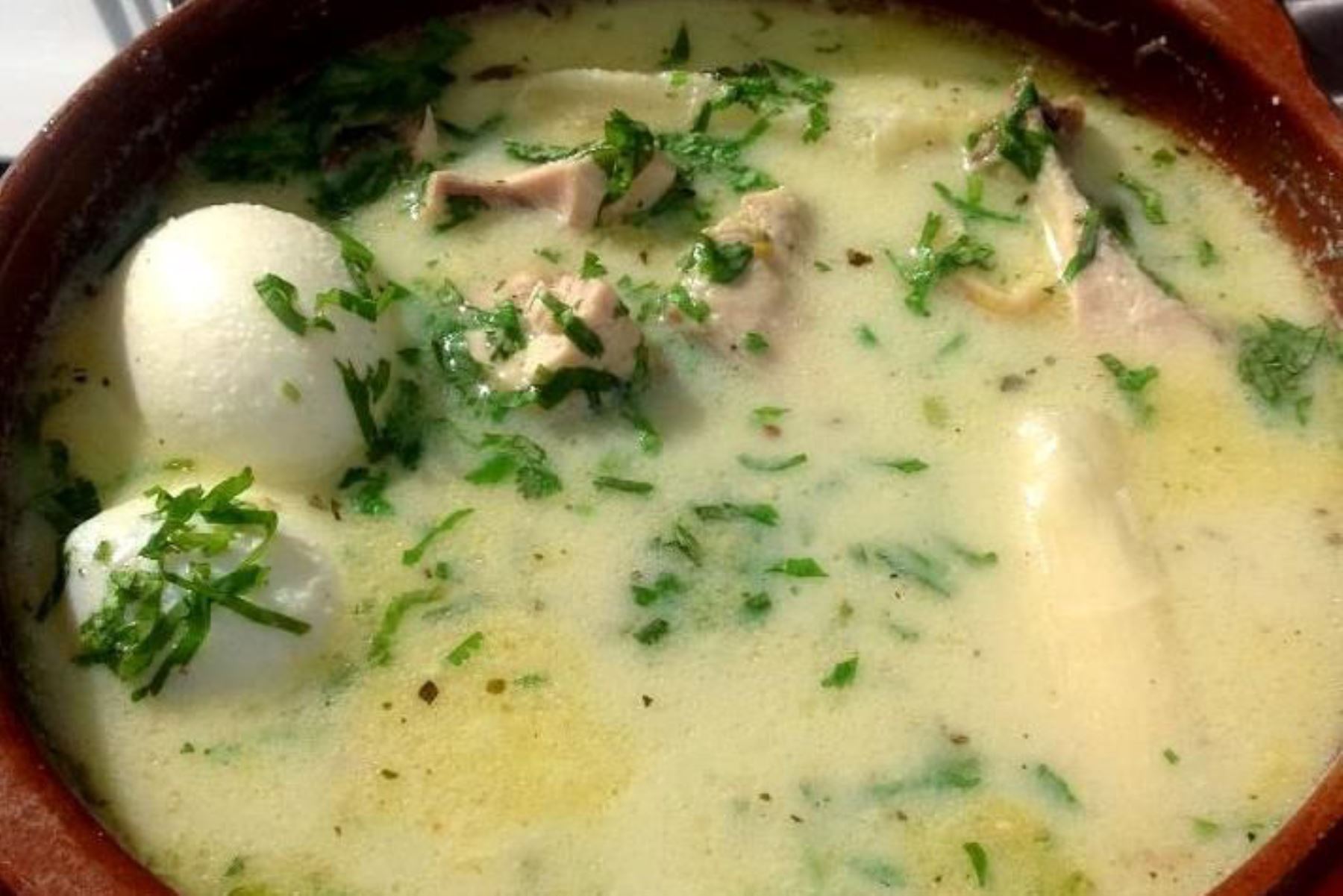
The recipe features chicken, peanuts, corn flour, and sacha culantro (wild cilantro)—ingredients rich in protein, making it an ideal choice for the occasional cold snap in the Amazon or for any special occasion. It is served with fluffy, individual-grained rice and a portion of boiled cassava.
Chonta Salad
This is an iconic appetizer in Amazonian cuisine—one that cannot be found elsewhere in Peru. Its main ingredient is chonta (palm heart), harvested from a palm tree that grows exclusively in the rainforest. Thin, white strips extracted from the tree serve as the star component of this dish.
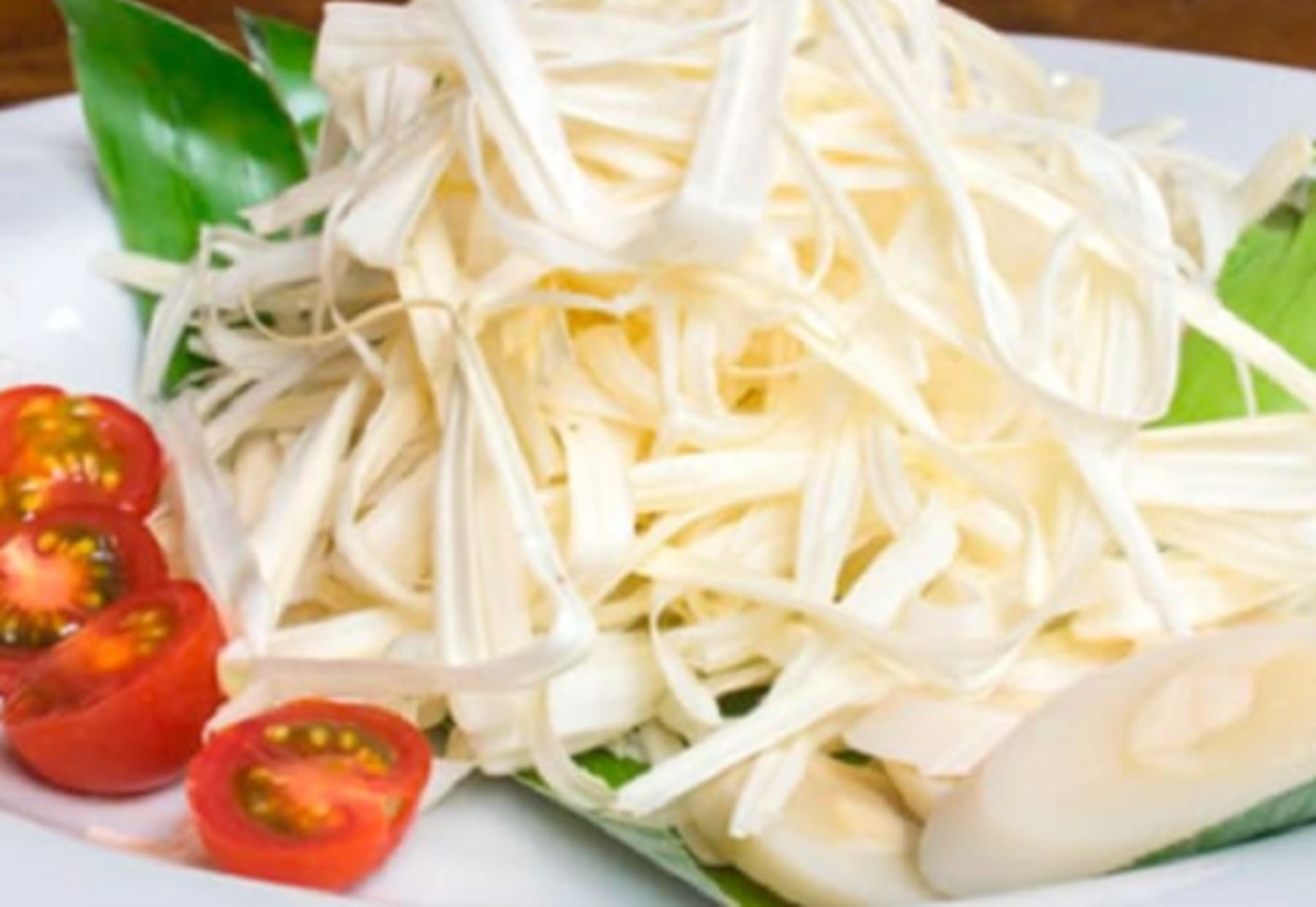
For those who prefer a lighter meal, this appetizer—prepared with lettuce, tomato, avocado, lime, and salt—offers a delicious salad with a unique flavor that is highly pleasing to the palate.
Sudado de Doncella (Steamed Doncella fish)
While sudado—a fish-based stew—is very popular throughout Peru (especially along the coast), in the Amazon, it takes on a distinct character, thanks to the vast variety of fish found in the region’s rivers.
Among these species, the doncella stands out; it is prized for its delicious flesh, which—unlike many other Amazonian fish—is virtually boneless, allowing almost the entire fish to be eaten.
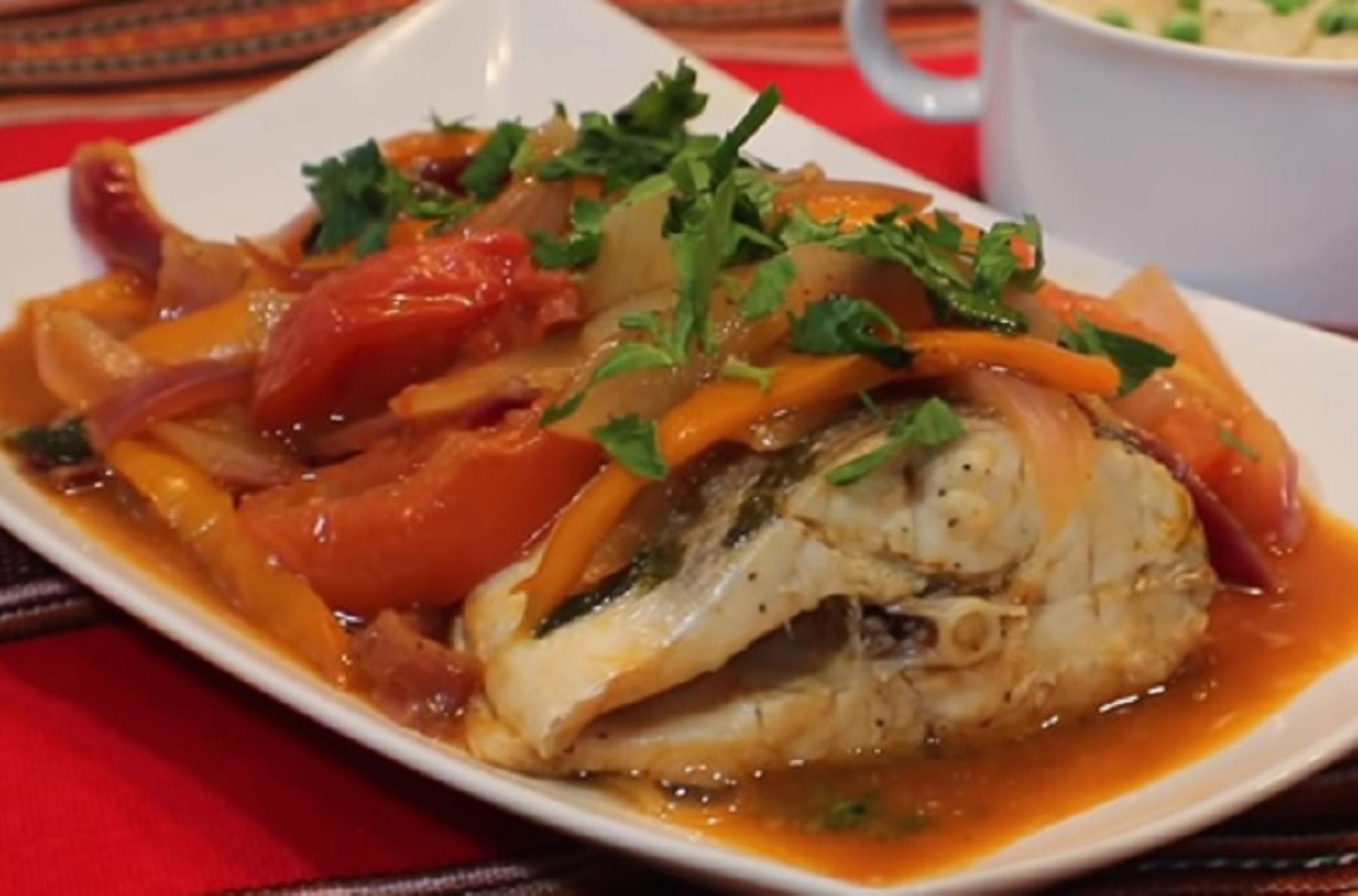
The ingredients used to prepare this dish are similar to those in a traditional sudado: garlic, ají especial (a type of chili pepper), and onion for the base, along with fish stock, chicha de jora (fermented corn beer), ginger, sacha tomate (tree tomato), sacha culantro (jungle cilantro), and salt and pepper to taste. The dish is served with portions of cassava and boiled white rice, garnished with lime wedges and Amazonian chili peppers.
Timbuche de Carachama
In Amazonian cuisine, timbuche is the local term for chilcano (a traditional fish soup). Its star ingredient is the carachama—a prehistoric-looking fish, similar to a catfish, which is widely consumed by the Amazonian population.
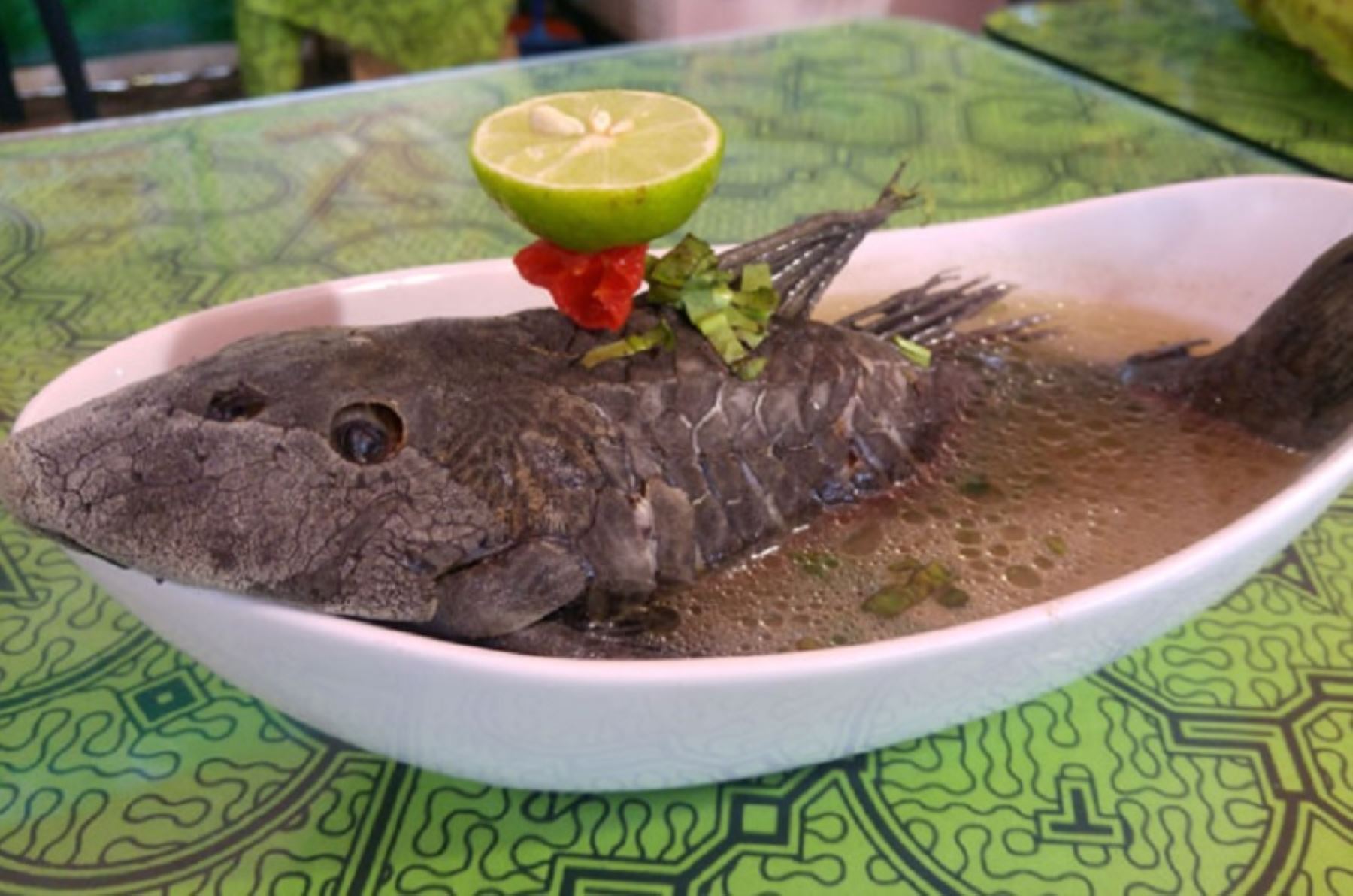
This hearty, nourishing soup is said to be a great restorative for one’s energy. This is due to its extraordinary nutritional value; it contains proteins, vitamins A, C, E, and B12, as well as minerals such as phosphorus, iron, and iodine, making it a powerful ally in the fight against anemia and malnutrition.
To prepare timbuche, one whole fish per person is used, along with ingredients such as minced garlic, diced onion, sacha tomato (tree tomato), salt to taste, and enough water to create a hearty broth. Before serving, beaten eggs and chopped sacha culantro (a local herb) are added as a garnish.
Amazonian Ceviche
Peru’s signature dish—centered on pieces of marinated fresh fish—has also been adapted to the Amazonian context, thanks to the wide variety of fish available, which makes it easy to prepare this delicacy that captivates palates around the world.
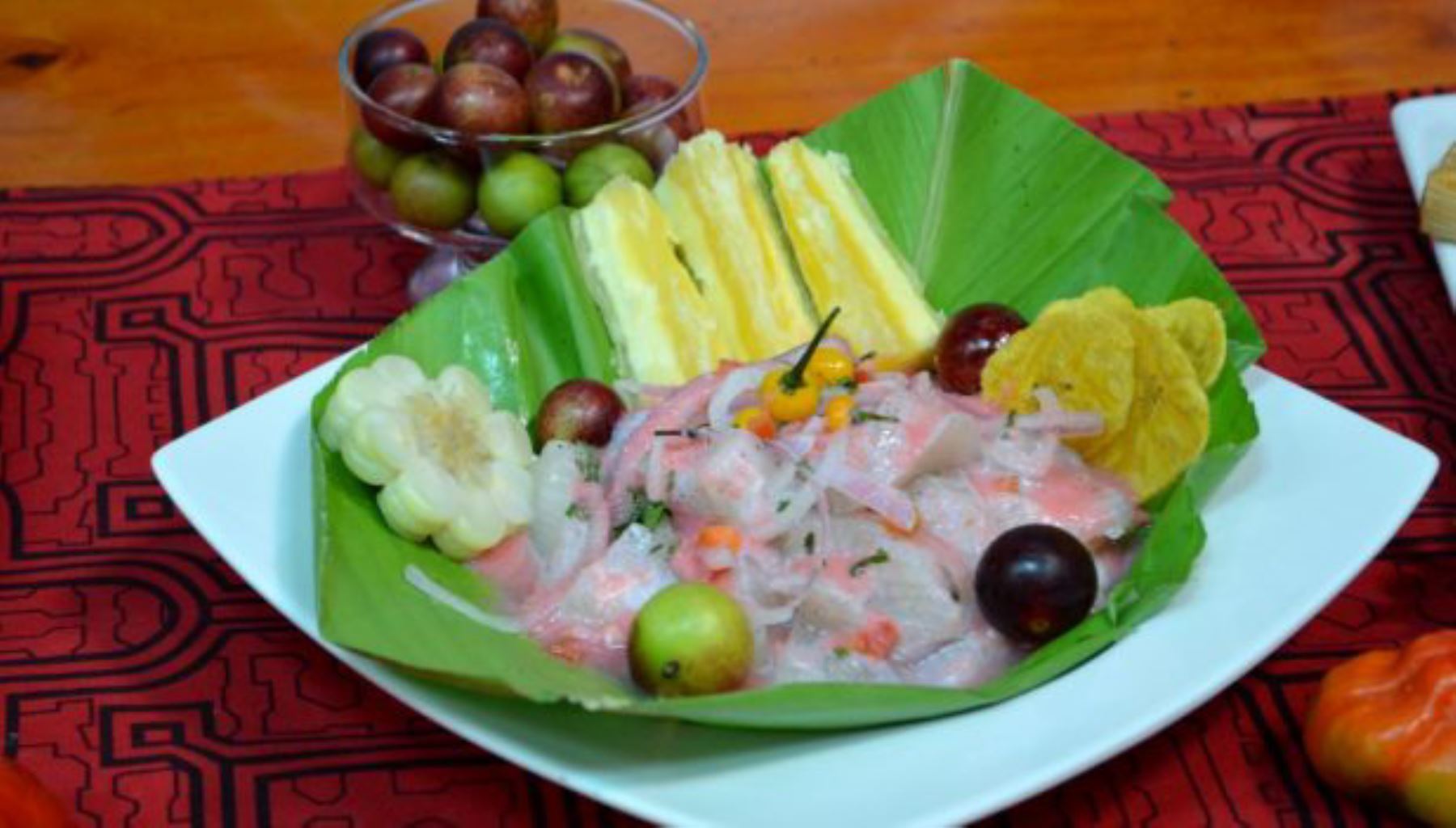
The most traditional Amazonian ceviches feature paiche and doncella fish; their flesh has the right consistency and substance to marinate perfectly with lime juice, camu camu, and sauces made from Amazonian chili peppers—all of which lend a seductive charm to this iconic dish of Peruvian cuisine.
Chapo
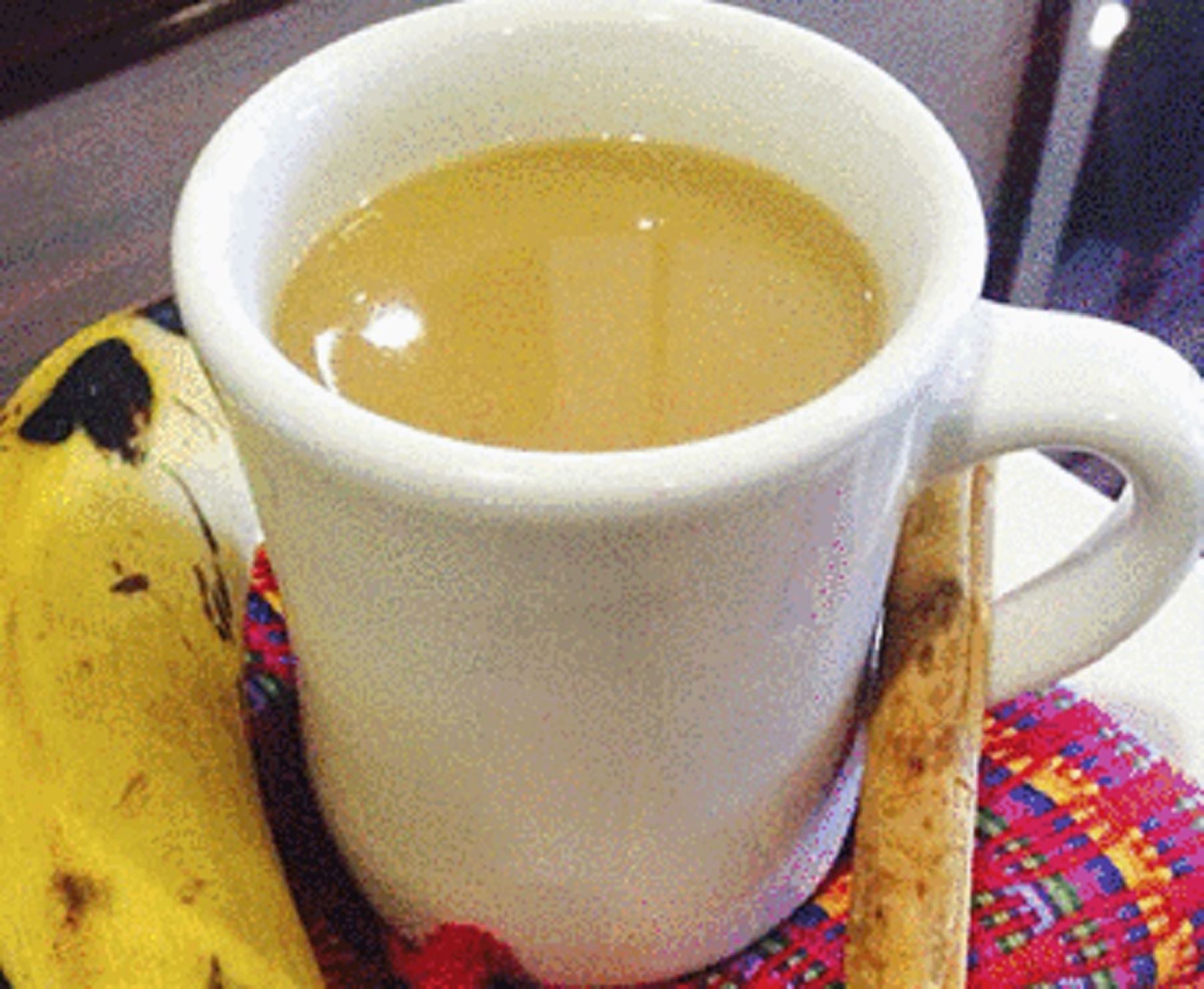
Chapo is a popular beverage made from ripe plantains that are boiled and then blended with milk and sugar to taste.
Aguajina
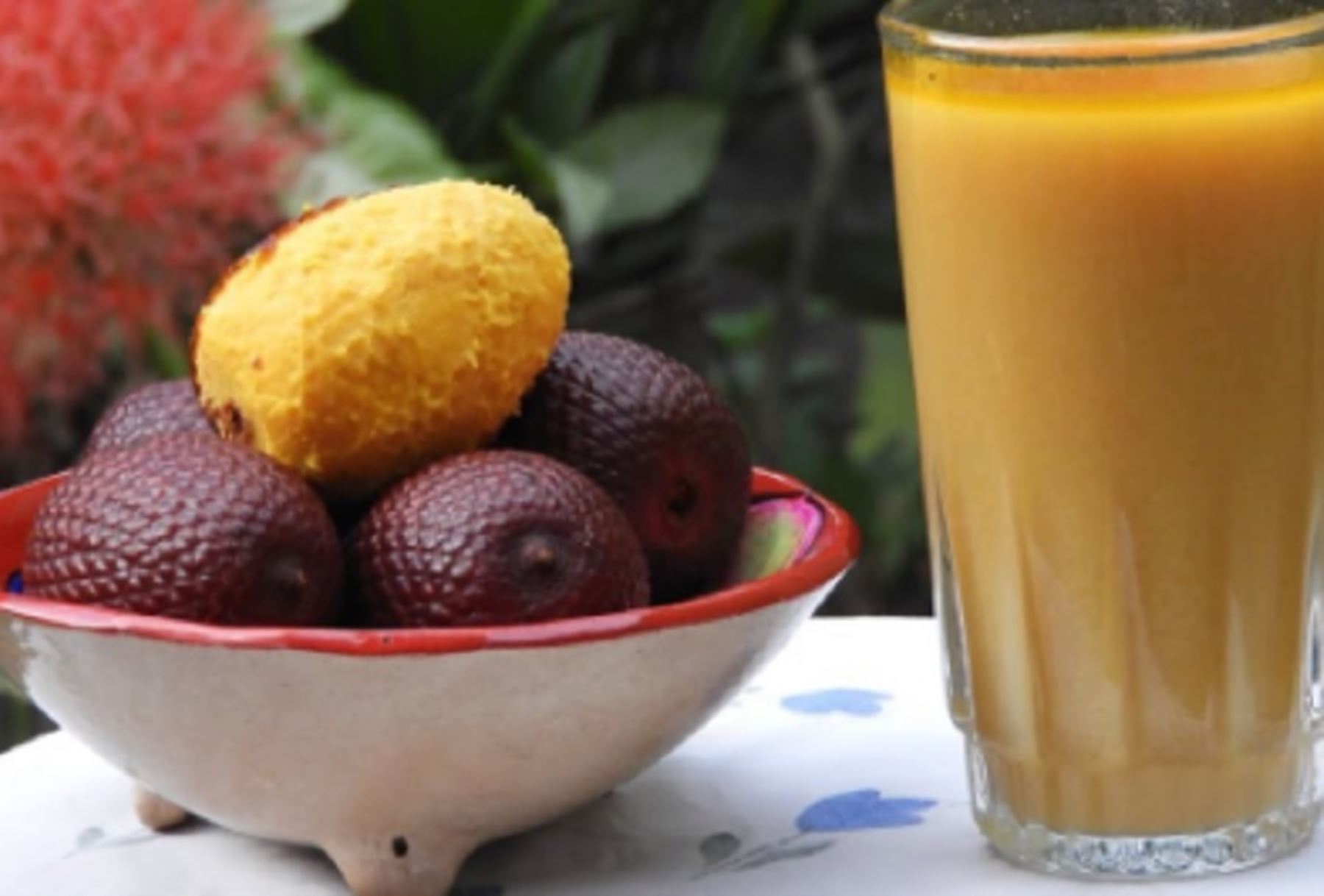
Aguajina is a traditional refreshment made from the pulp of the *aguaje*—the fruit of the palm tree of the same name—which is diluted in water and then sweetened with sugar.
Masato
Masato is an alcoholic beverage made from water and fermented cassava pulp. It is left to rest so that the starch in the tuber converts into sugar, eliminating the need for added sweetener.
How to get to Ucayali?
The simplest way to reach Ucayali is by air. The flight from the city of Lima to the city of Pucallpa takes about fifty minutes, as does the flight from the city of Iquitos.
Another option is to travel by land, crossing central Peru via the Central Highway—a journey that takes approximately 16 hours. Although it is a long and tiring trip, one can enjoy the majestic landscapes encountered while passing through the Andes mountain range.
(END) LZD/MAO / MDV
Publicado: 19/10/2026