15:39 | Cusco (Cusco region), Jun. 16.
Residents of Cusco and tourists are admiring the stone, ceramic, and metal objects unearthed during archaeological research at the T'aqrachullo site.
The artifacts are being showcased in a temporary exhibition at the Casa del Inca Garcilaso de la Vega Museum, located in Cusco's Historic Center.
The cultural assets—accompanied by detailed information on their discovery, significance, and value—are being exhibited under the title "T'aqrachullo: El tiempo superpuesto. La historia que se escribe" ("T'aqrachullo: Overlapping Time. The History Being Written").
The exhibition will remain open until August 15 on the second floor of the museum, located near Cusco's Main Square.
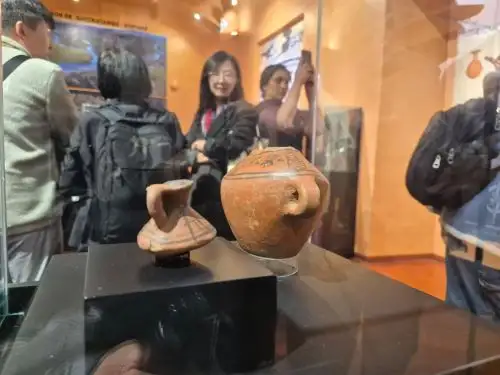
Exhibition archaeologist and curator Wilberth Gamarra told Andina News Agency that, to help visitors better understand the findings, the display cases have been organized into three chronological periods: the Late Horizon, Late Intermediate Period, and Middle Horizon.
They feature evidence related to the pre-Inca Kana, Q'olla, and Wari cultures, as well as the Inca civilization, together with information on the remains discovered in the Suykutambo district, Espinar province.
Among the cultural assets on display is an impressive funerary assemblage, including a Wari ritual context associated with burial, ceramic, and domestic objects.
"We have Chuquibamba objects, specifically two vessels that correspond to the early stylistic beginnings of Inca pottery as such," Gamarra explained.
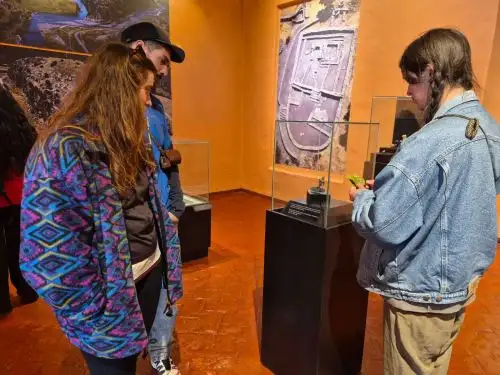
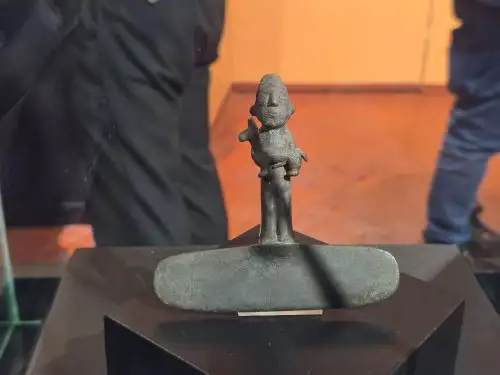
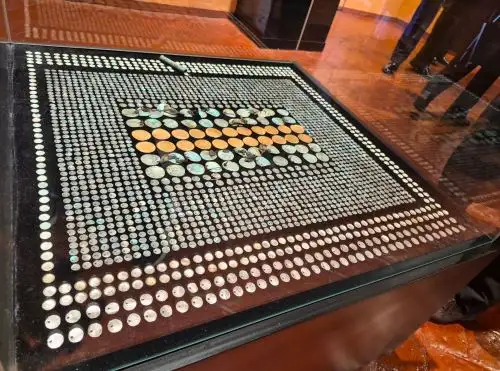
Visitors can view sacred objects such as illas and conopas as well. Among them are nearly 3,000 gold, silver, and bronze beads.
"They were grouped together in a bag made of organic material. For exhibition purposes, we have spread them out so that the community can appreciate them," he noted.
Ceramic fragments, tools, and detailed information on the urban planning and architecture of T'aqrachullo, presented through infographics, help visitors discover the distinctive features of Maria Fortaleza T'aqrachullo, its proper name.
The archaeological site was declared part of Peru's Cultural Heritage of the Nation in 2010.
Infographics illustrate how the site is strategically situated at an altitude of 4,102 meters above sea level on a rocky outcrop in Chaupimayo, Suykutambo.
The exhibition also explains the origin of the site's name, which reflects its close connection with nature: t'aqra (mother rock) and chullo (a water reservoir carved into stone), elements that shaped the site's sacred character and architecture.
The event was inaugurated by Culture Director Maritza Rosa Candia, who took part in the research when she was still a student.
She expressed her deep emotion over the significance of this scientific milestone for the region's cultural identity.
"I would like to pay tribute to our sacred city of Cusco, whose heart and greatness are not limited to its Inca monumental heritage, but extend to the immense pre-Hispanic wealth that lives on in each of its provinces, such as Espinar. T'aqrachullo is not a static group of structures, but an exceptional testament to resilience and life," she expressed.
Also present at the inauguration ceremony was Mariela Noriega, Head of the Ministerial Office's Advisory Cabinet at the Ministry of Culture.
Noriega highlighted the sector's commitment to bringing visibility to settlements that demonstrate the historical continuity and cultural complexity of the southern Andes.
(END) PHS/MAO/MVB
Published: 6/16/2026