The eleventh—and penultimate—month of the year arrives packed with festivities across various regions and provinces of Peru, inviting you to travel, join the celebrations, and enjoy iconic tourist attractions.
If you want to make the most of your time off from work or studies but haven’t yet decided on a destination, we offer some ideal suggestions for adventure, cultural, nature-based, and immersive (experiential) tourism—all of which guarantee an unforgettable travel experience.
Read on to discover some regional destinations that will be trending in November, along with the festivities celebrated there.
Since 1981, November 6th has been celebrated as the "Day of Ayacucho Song" (Día de la Canción Ayacuchana) in honor of one of the region’s great artists, Nery García Zárate. He passed away a year earlier and was part of the musical duo "Hermanos García Zárate," alongside guitarist Raúl García Zárate.
This significant celebration is a perfect opportunity to visit this beautiful destination in southern Peru and marvel at its captivating tourist attractions—from the lovely city of Huamanga and its surrounding areas to the other provinces within the Ayacucho region.
Amazonas
On November 21st, the Amazonas region celebrates the 194th anniversary of its establishment as a department. To mark this important date, a variety of cultural and recreational events—including parades—are organized, featuring the participation of both public and private institutions.
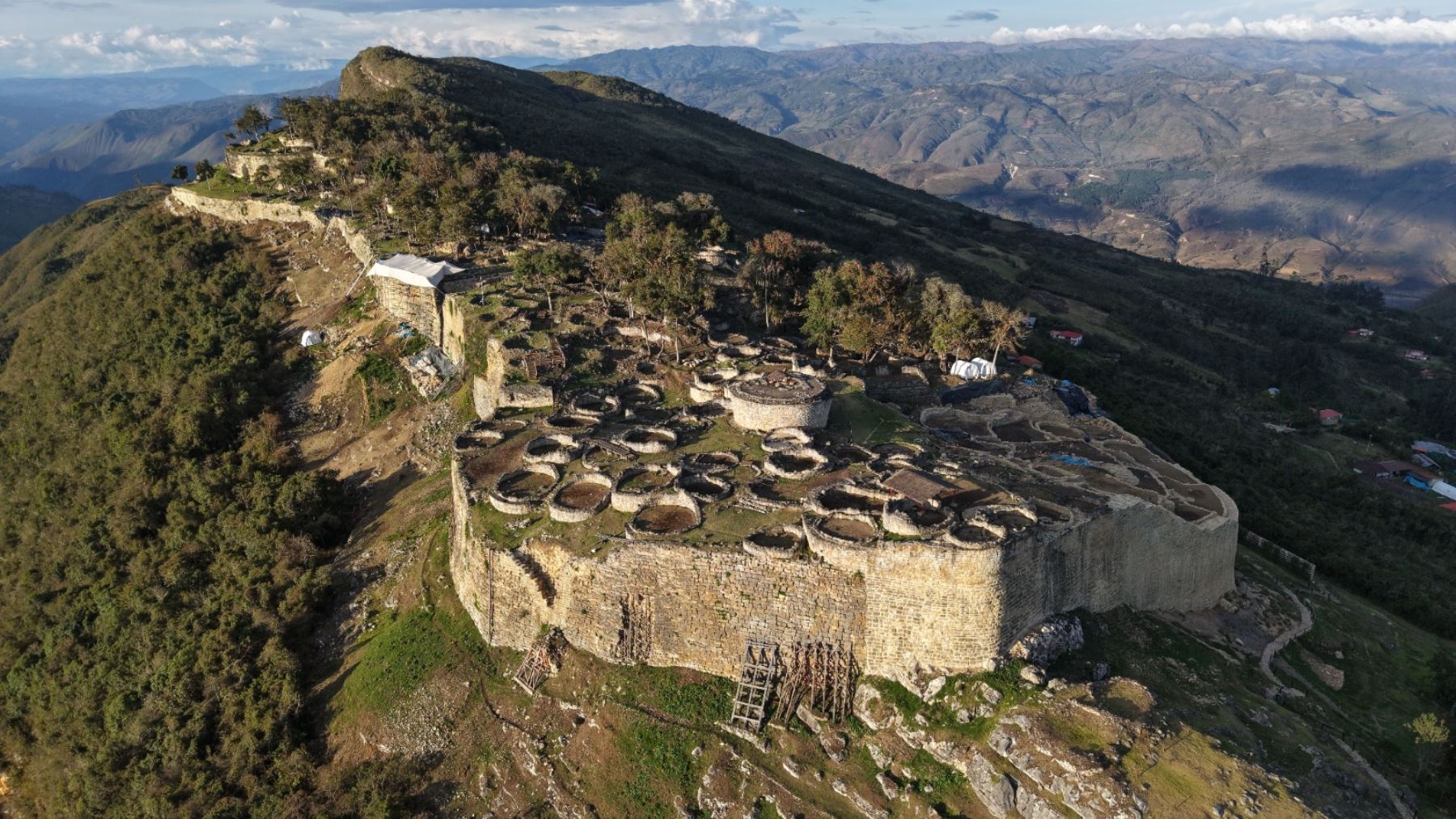
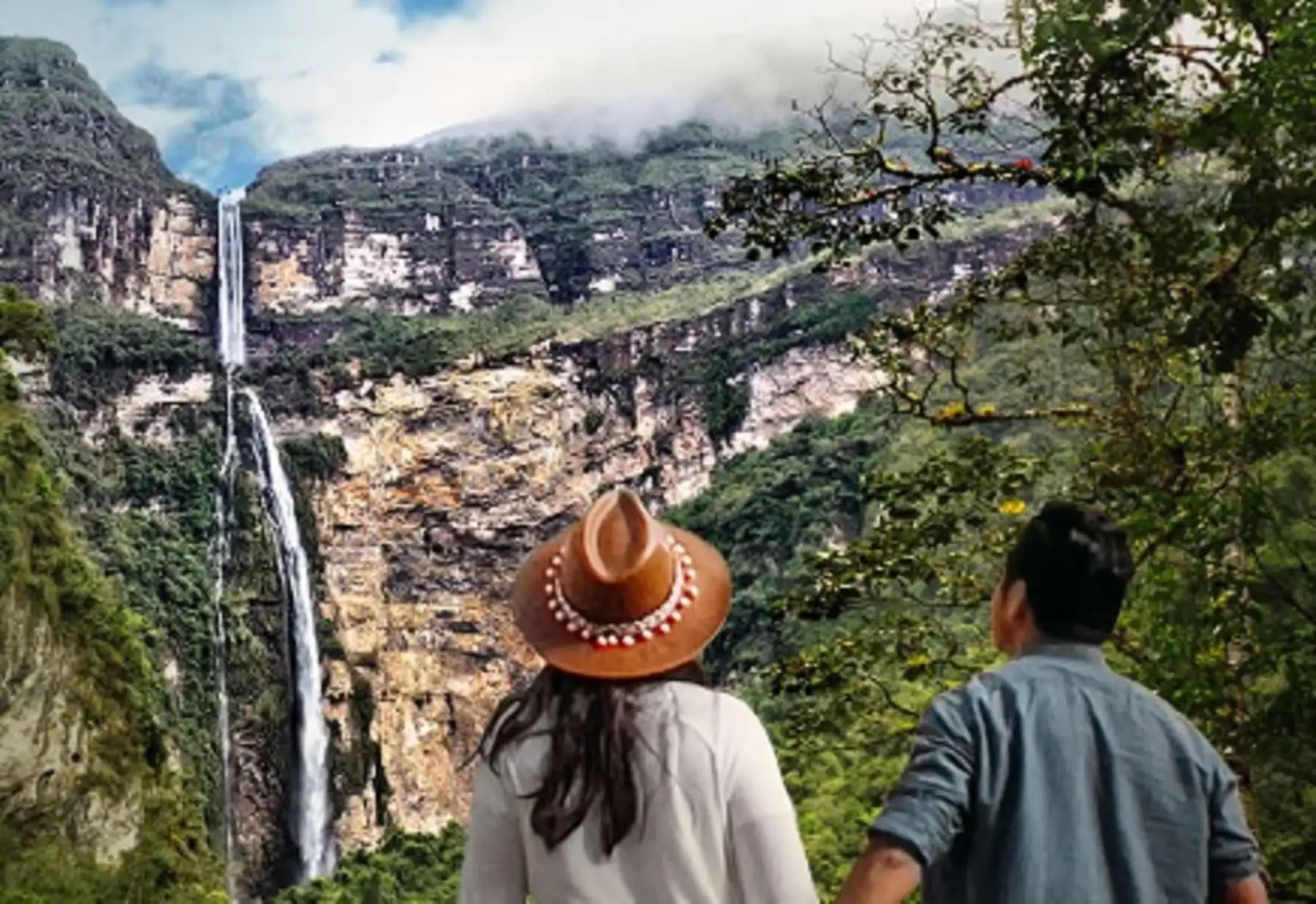
Celebrating this occasion offers a perfect opportunity to visit the impressive fortified city of Kuélap, the Leymebamba Museum, the Karajía sarcophagi, the massive Gocta Waterfall, and the Quiocta Cavern, among other iconic tourist attractions in the Amazonas region.
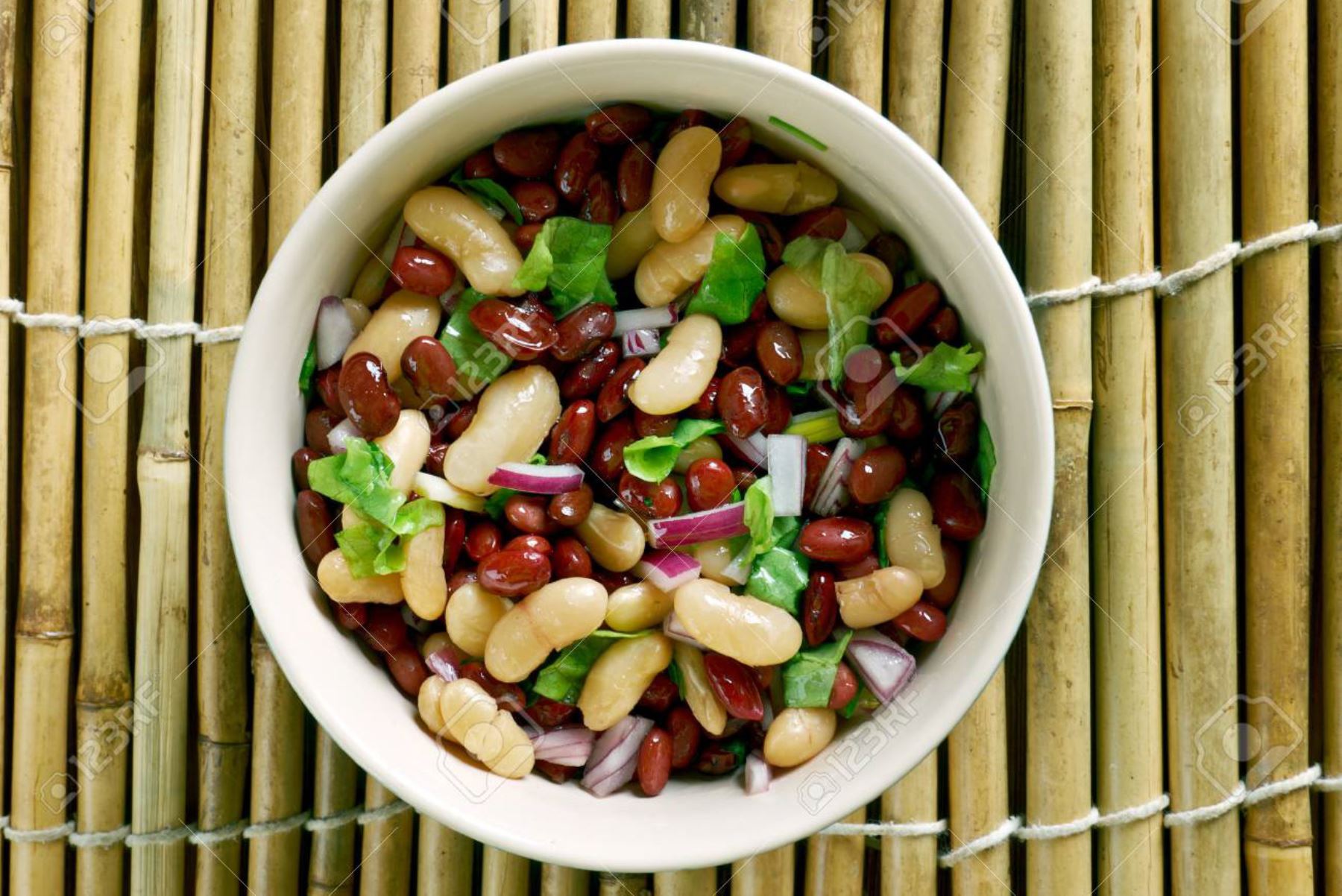
Situated in the jungle fringe (ceja de selva)—the transition zone where Andean and Amazonian geography and culture converge—the cuisine of the Amazonas region features a wide array of dishes. Highlights include "purtumute" (a dish made with beans and "mote"—hulled corn—seasoned with cilantro) and "tacacho" (mashed plantains seasoned with lard), typically served with "cecina" (dried and smoked pork).
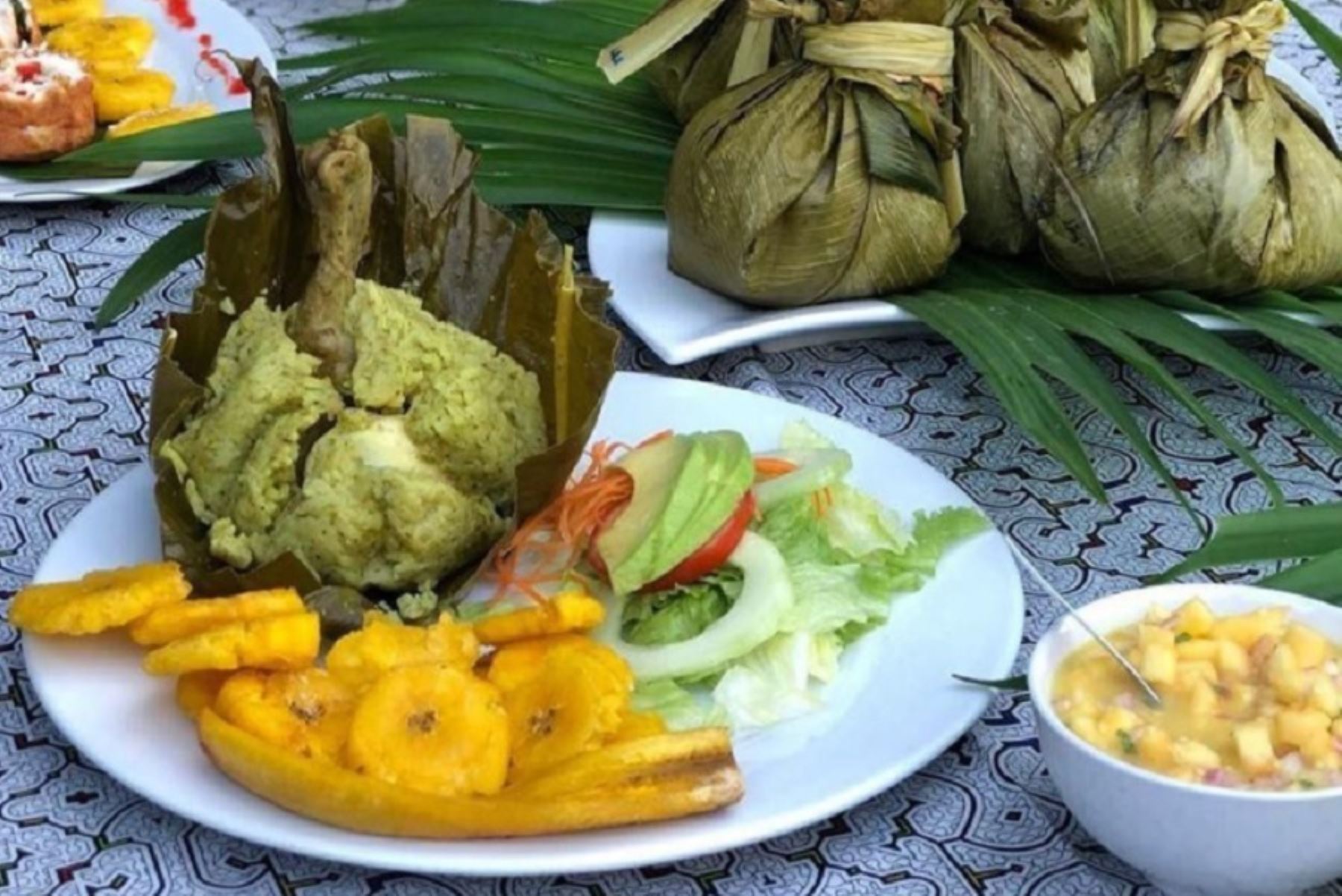
Other signature dishes include "juane" (made with either rice or cassava); "patarashca" (a soup prepared with river fish and aromatic herbs); "inchicapi" (a creamy soup made from corn and peanuts, served with chicken); and "cazuela" (a hearty soup containing beef, poultry, and mutton, accompanied by vegetables such as cabbage, carrots, and corn kernels).
The regional menu also features fried guinea pig (*cuy*) served with a potato stew and toasted peanuts; "inchik uchu" (boiled cassava topped with a sauce made from peanuts, chili peppers, and cilantro); "chonta" salad (made from the edible heart of an Amazonian palm tree); "humitas" (savory or sweet corn-based cakes); and tamales filled with pork, beef, or chicken.
Puno
On November 4th, this iconic city of the Peruvian high plateau (altiplano) celebrates the 358th anniversary of its Spanish founding. It is an ideal time to visit and explore its fascinating tourist attractions—foremost among them the legendary and imposing Lake Titicaca, the highest lake in the world and the fabled birthplace of Manco Cápac and Mama Ocllo, the founders of the Inca Empire. To view the detailed program of celebrations, click
here.
In this beautiful city, visitors can admire the tranquil Plaza de Armas, the stunning Cathedral Basilica, the stone Deústua Arch, and the Huajsapata viewpoint—home to a statue of the Inca Manco Cápac—which offers a magnificent, sweeping view of the city and the spectacular Lake Titicaca.
Other notable sites include the Sanctuary of the Virgin of Candelaria (the city’s patron saint), the Carlos Dreyer Municipal Museum, the Totora Museum, the Naval Museum, the Yavarí Museum Ship, and the islands of the Uros and Amantaní. These and other locations boast extraordinary natural beauty, ancient culture, and traditional customs that never fail to captivate visitors. Complementing all of this is the delicious local cuisine of Puno, sure to delight any palate.
Lambayeque
On November 8, the Royal Tombs of Sipán Museum will celebrate the 24th anniversary of its opening. It has established itself as the most significant cultural institution in northern Peru, housing—as its primary exhibit—the complete skeletal remains and funerary offerings of the Lord of Sipán, a ruler of the Moche civilization who lived between 600 and 650 AD.

The tomb of the Lord of Sipán was discovered on July 20, 1987, by archaeologists Walter Alva Alva and Luis Chero Zurita. This discovery marked a milestone in both Peruvian and global archaeology, as it was the first intact tomb of an ancient Peruvian ruler—a find comparable only to the tomb of the Egyptian pharaoh Tutankhamun.
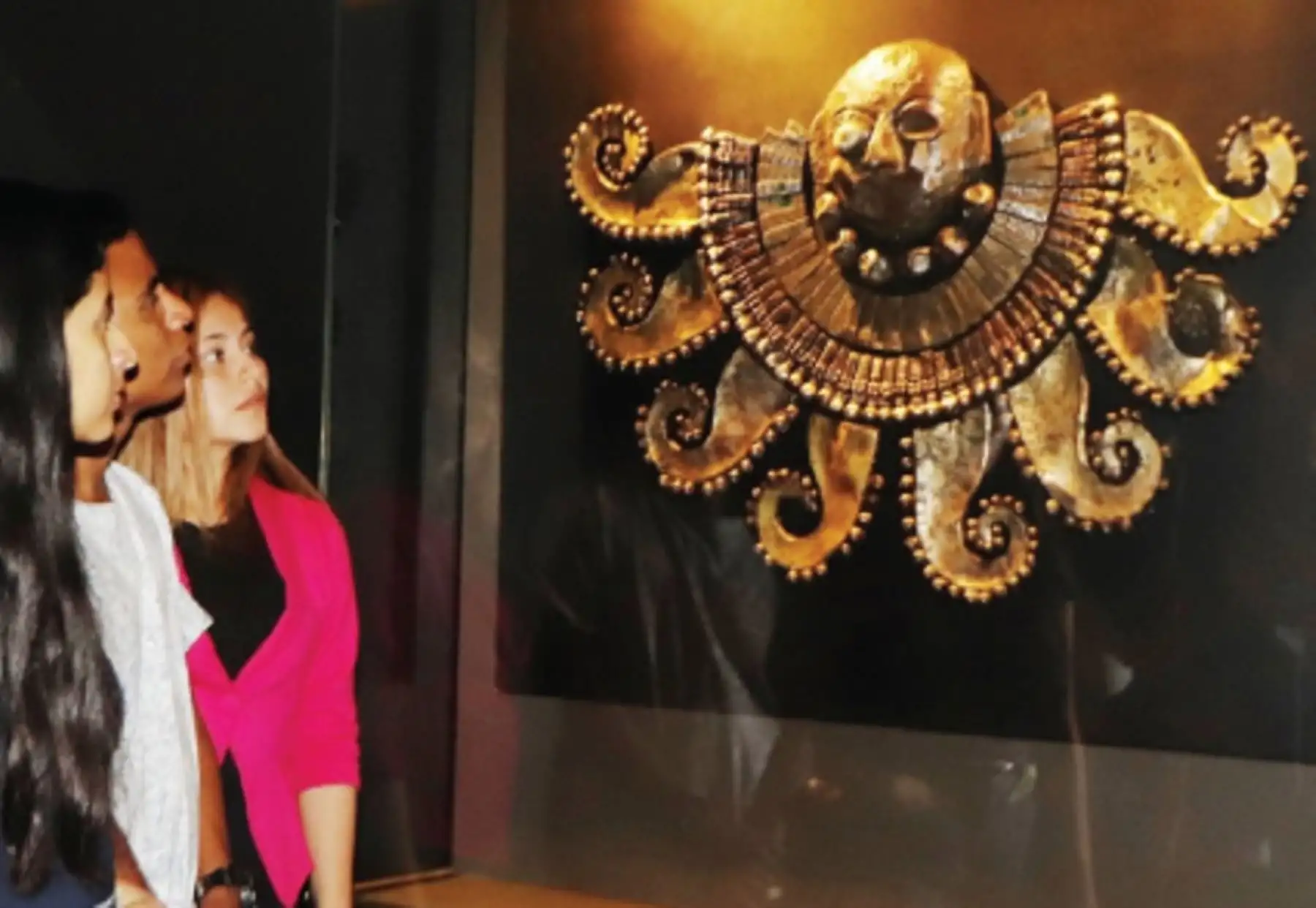
The museum is located at 895 Juan Pablo Vizcardo y Guzmán Avenue in Lambayeque. Its architectural design is inspired by the ancient truncated pyramids of the pre-Inca Moche culture, which flourished in the Lambayeque region between the 1st and 7th centuries AD.
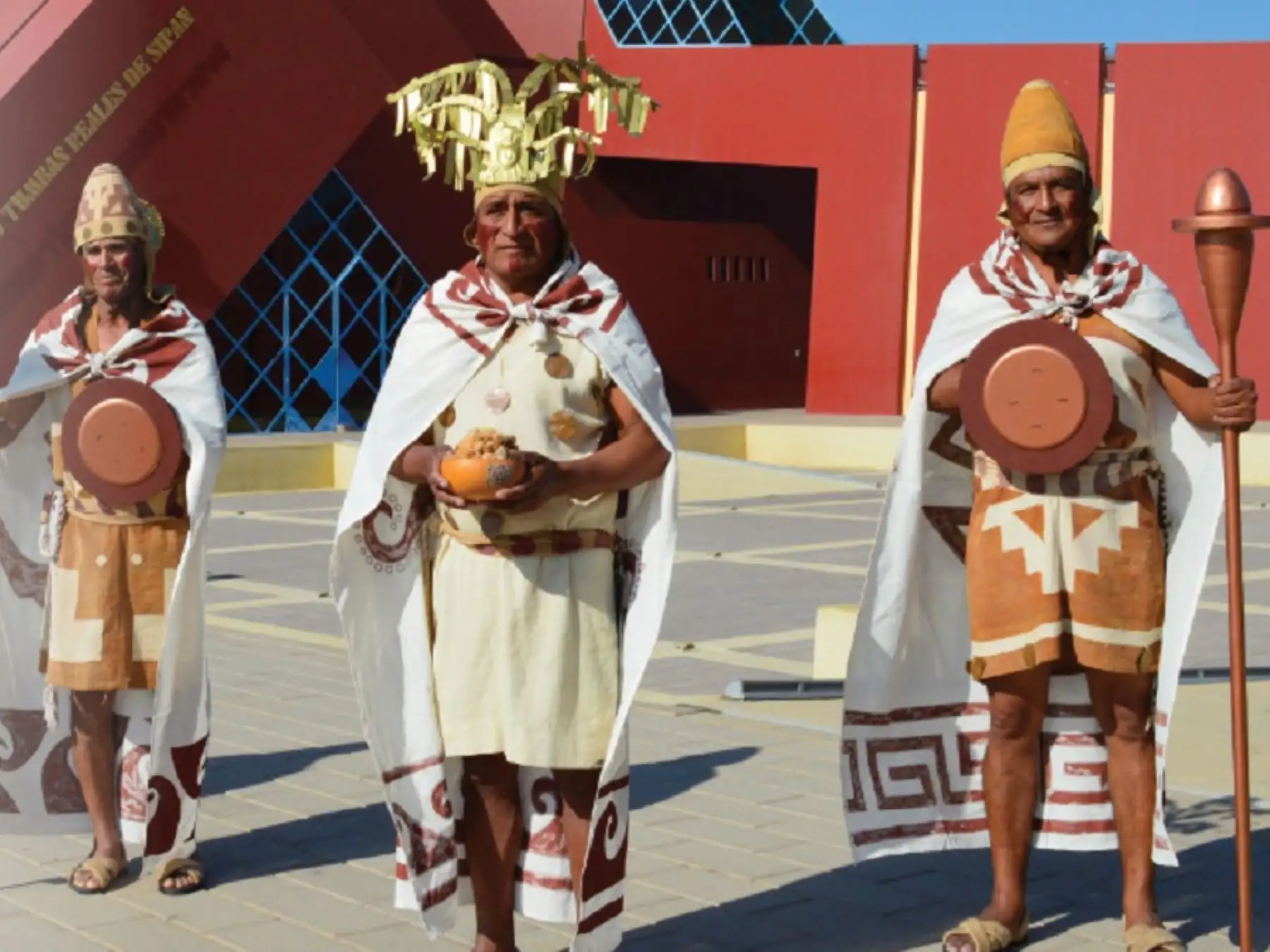
Separately, November 18 marks the 463rd anniversary of the Spanish founding of the city of Zaña. In pre-Hispanic times, this area was inhabited by a Moche-descended population known as the "Sañap," who lived in settlements on the slopes of Cerro Corbacho.
Following the arrival of the Spanish conquistadors, the city was founded on November 18, 1563, by Captain Baltasar Rodríguez, under the name Villa Santiago de Miraflores de Zaña.
The choice of this site for the establishment of a city was due to its excellent location—midway between the coast and the mountains—as well as the effective irrigation system developed by the Moche and Inca civilizations, and the proximity of a river that facilitated the growth of the nascent city.
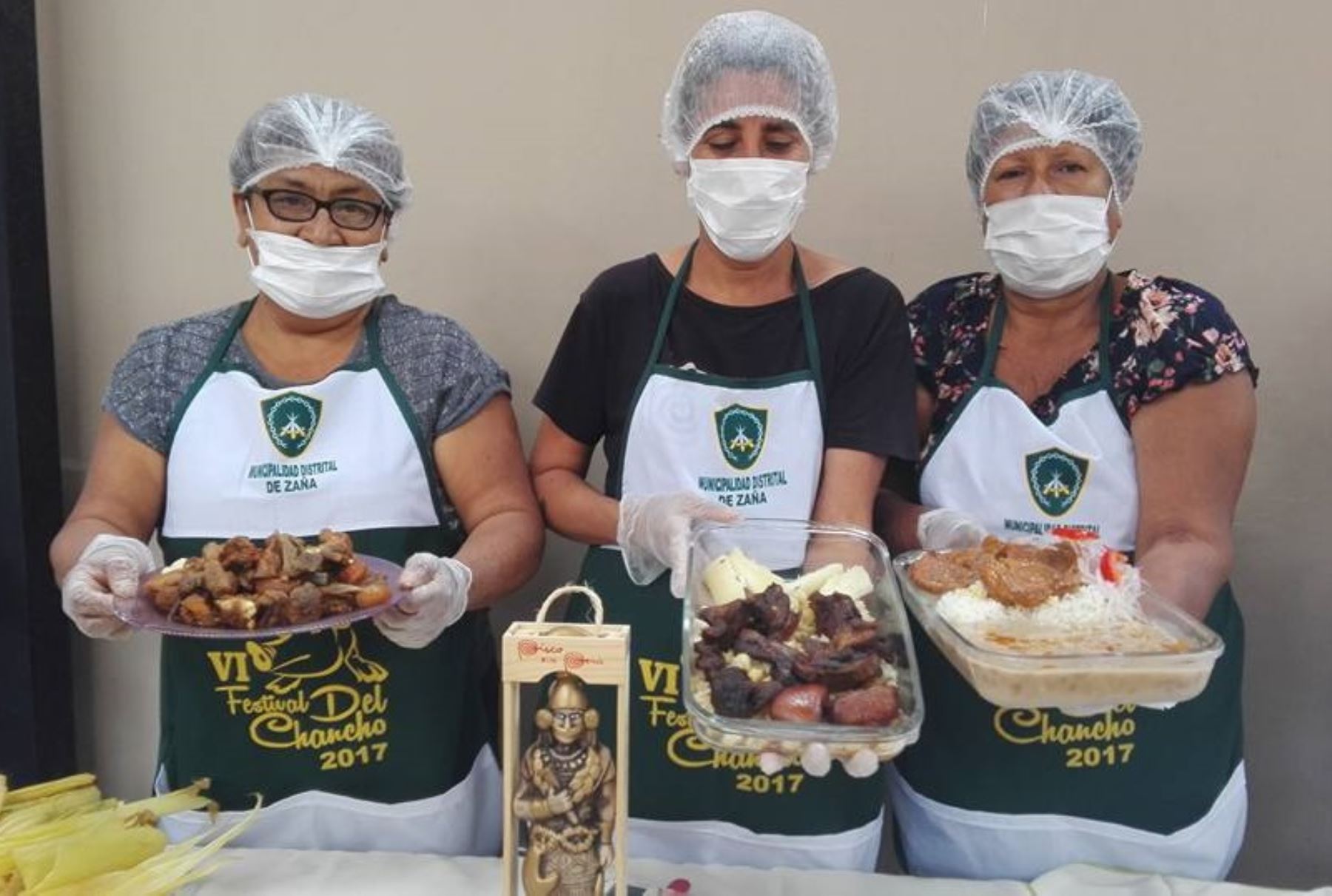
Its strategic position, situated within a network of trade routes, allowed Zaña to flourish into an affluent city until the early 18th century—so much so that it came to be known as the "Seville of Peru."
The prosperity of this northern Peruvian city is reflected in its Baroque-style churches; four of these—La Merced, San Agustín, San Francisco, and the *Iglesia Matriz* (Main Church)—still stand today.
Arequipa
This beautiful region in southern Peru hosts several festivities in November. On the 9th, the city of Camaná celebrates the 487th anniversary of its Spanish founding. The valley in which it lies was once home to the Nasca, Paracas, Wari, Collagua, Chuquibamba, and Inca cultures. The city was established in 1539 under the name "Villa Hermosa de Camaná" (Beautiful town of Camana).
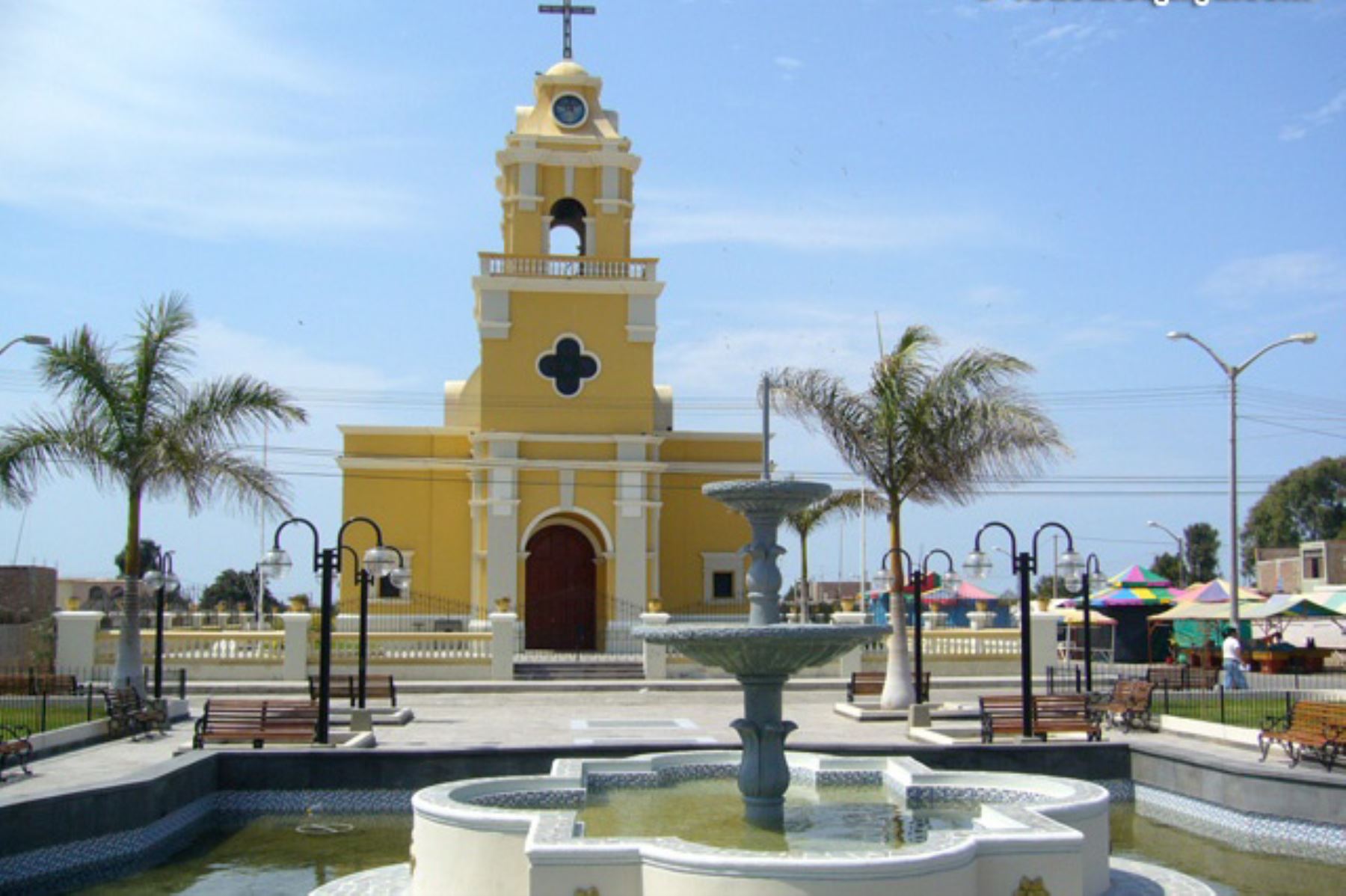
Coastal spots such as La Punta, Cerrillos, El Chorro, Las Cuevas, Quilca, La Miel, Arantas, Honoratos, and La Playuela are highly popular, especially among enthusiasts of water sports like sport fishing and surfing. Camaná is also well-known for its raft races.
The 17th edition of FestiSabores 2026—Arequipa’s premier annual gastronomic event—will take place from November 19th to 22nd at the Vallecito esplanade, near the San Martín Bridge, running from 10:00 AM to 8:30 PM.
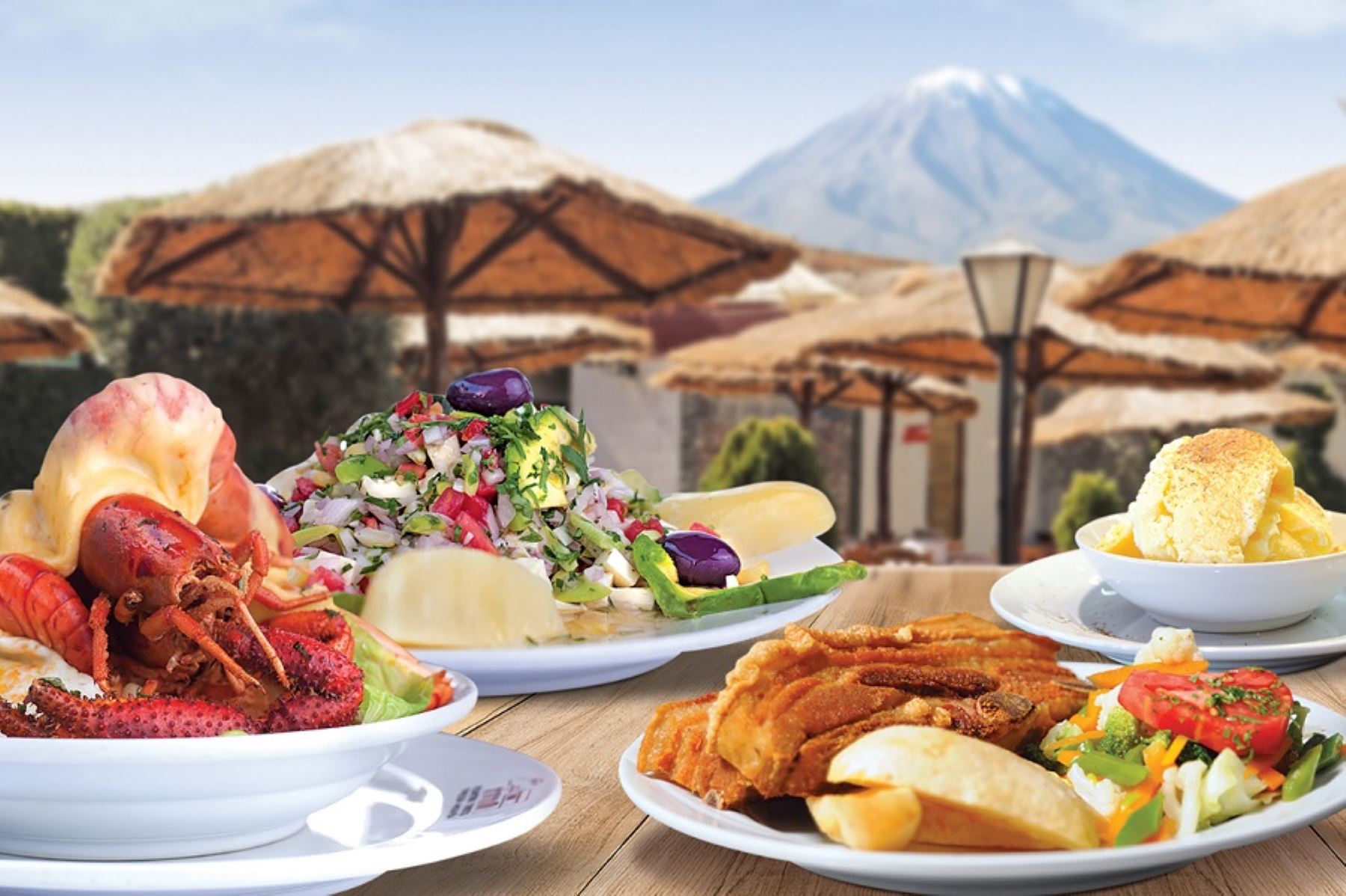
FestiSabores is a place where a diverse array of traditional dishes, culinary heritage, and the very heart of Arequipa come together to create a unique experience. More than 50 restaurants will come together to offer a wide variety of both signature and innovative dishes. There will also be wine tastings, cultural activities, and dance and music performances to delight those in attendance.
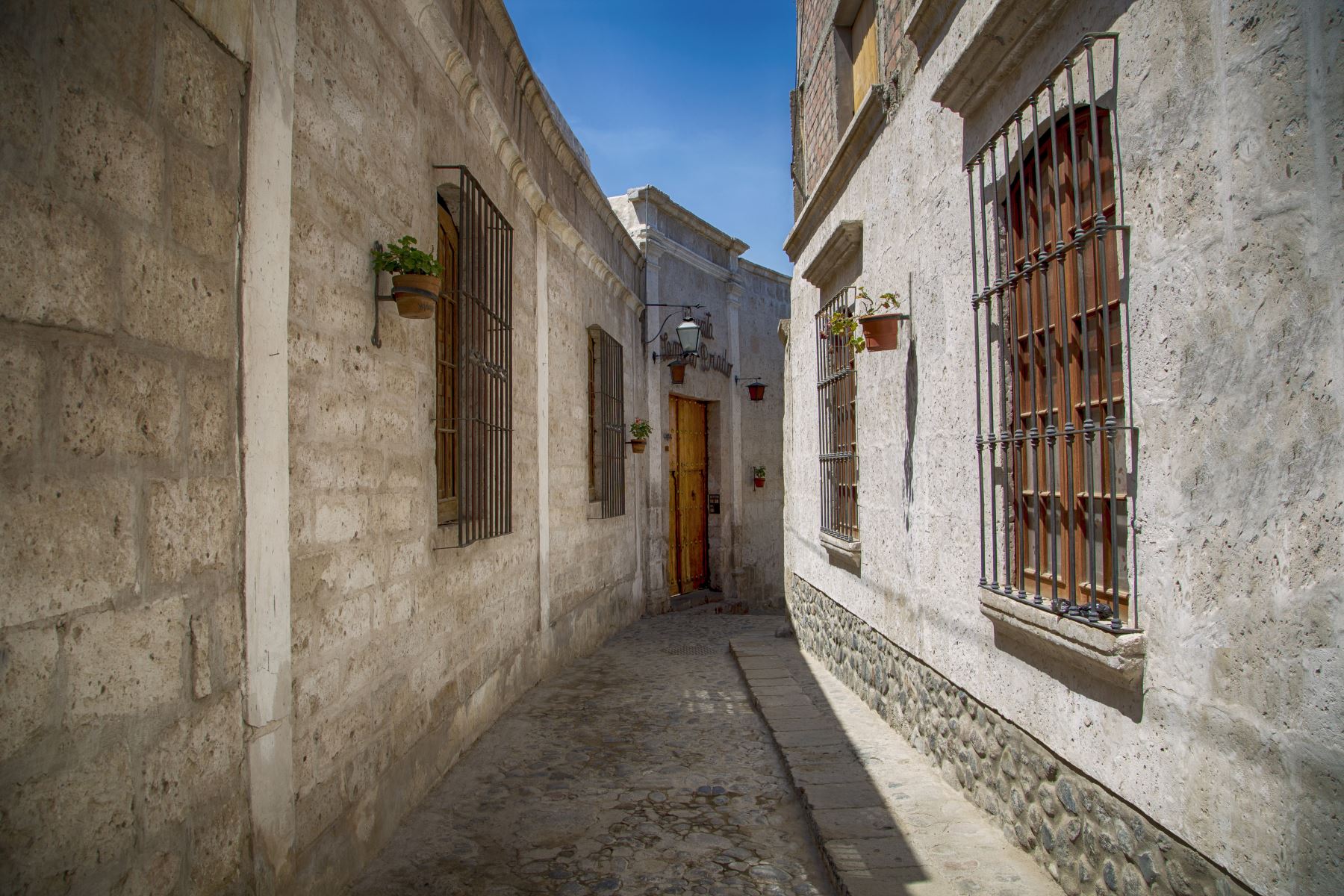
Beyond the festival, visitors can take the opportunity to explore the various tourist attractions in the city of Arequipa and other provinces throughout the region.
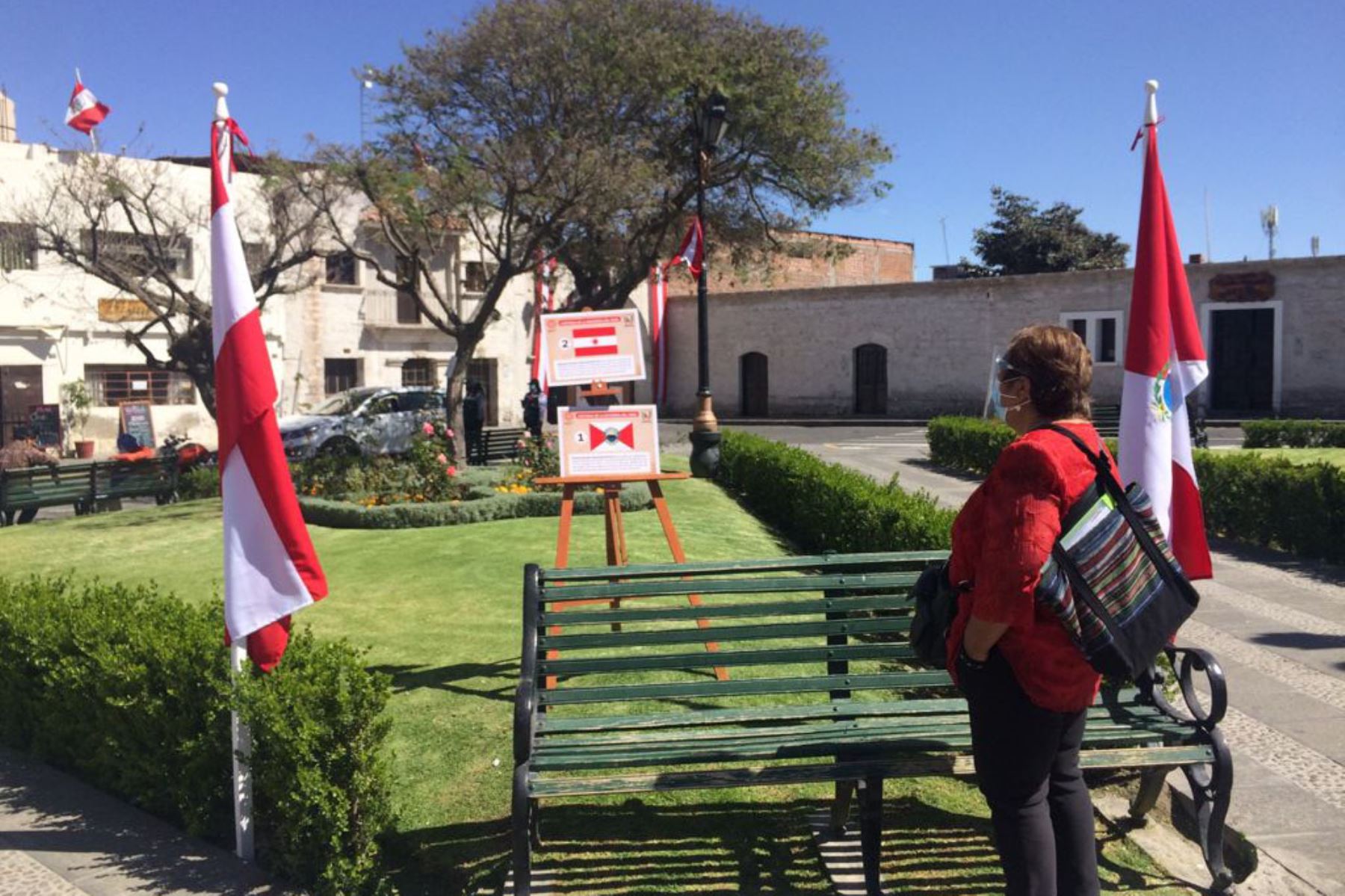
Meanwhile, the district of Cayma will celebrate the 203rd anniversary of its establishment on November 12th, and is organizing a series of formal, cultural, sporting, and gastronomic events to mark the occasion.
Junín
On November 16, the province of Huancayo commemorates the 162nd anniversary of its political establishment, and on November 20, it marks 205 years since the declaration of Peru’s independence in the "Ciudad Incontrastable" (the "Unconquerable City"). It is a perfect time to visit this charming destination and its iconic tourist attractions, which captivate visitors from both within Peru and around the world.
Located in the heart of the Mantaro Valley, in the central highlands of Peru, at an average altitude of 3,250 meters above sea level, Huancayo serves as the capital of the Junín department and lies 300 kilometers east of Lima.
It is directly connected to the Peruvian capital by land via the Central Highway and the Central Andean Railway—a line that traverses one of the highest and most beautiful rail routes on the planet.
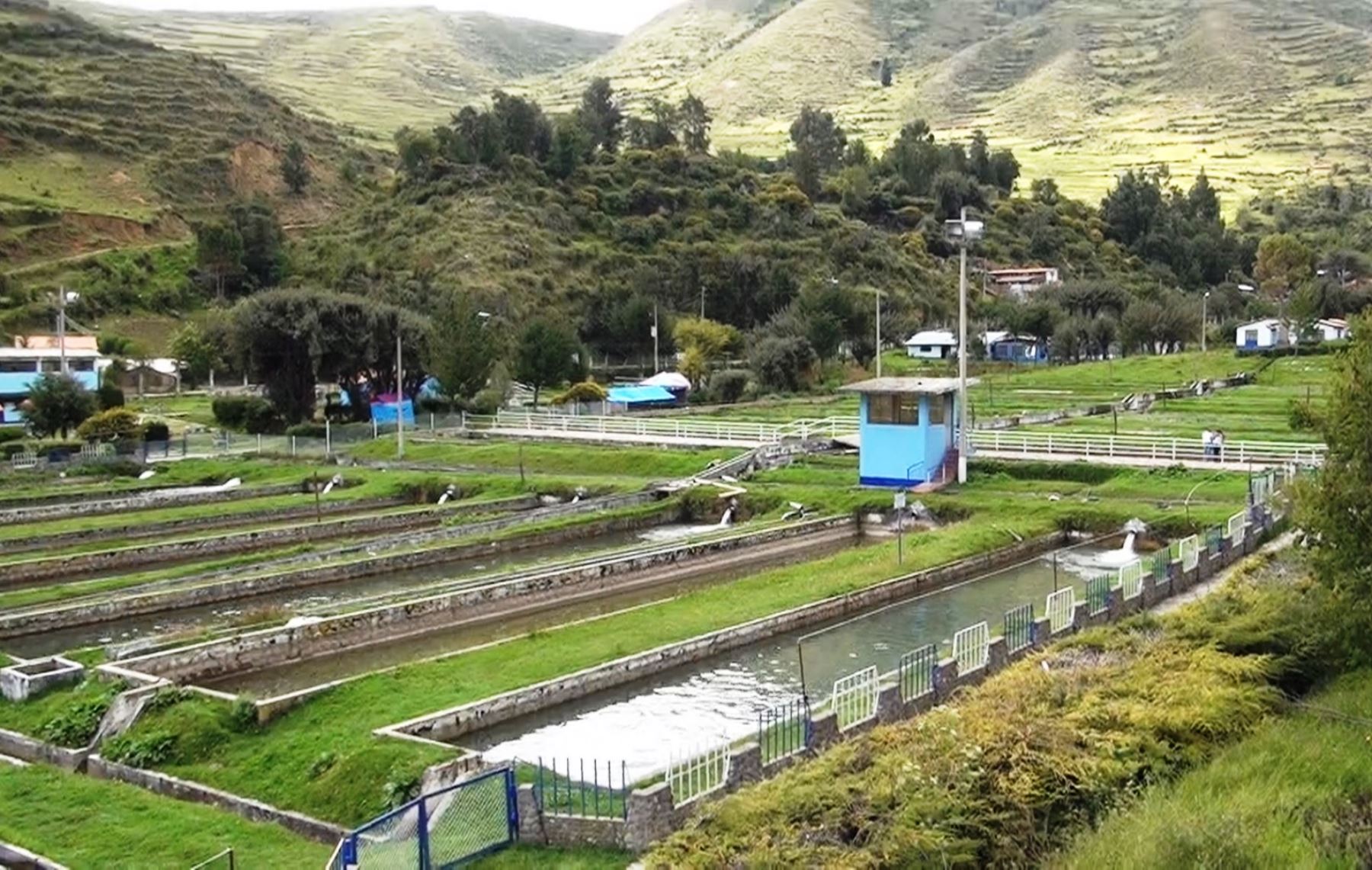
Among its most notable tourist attractions are the Plaza Constitución, the Cathedral, the Plaza Huamanmarca, the Huanca Identity Park (Parque de la Identidad Huanca), Cerro La Libertad, the El Ingenio trout farm, the Wariwillka sanctuary, and the snow-capped Huaytapallana mountain.
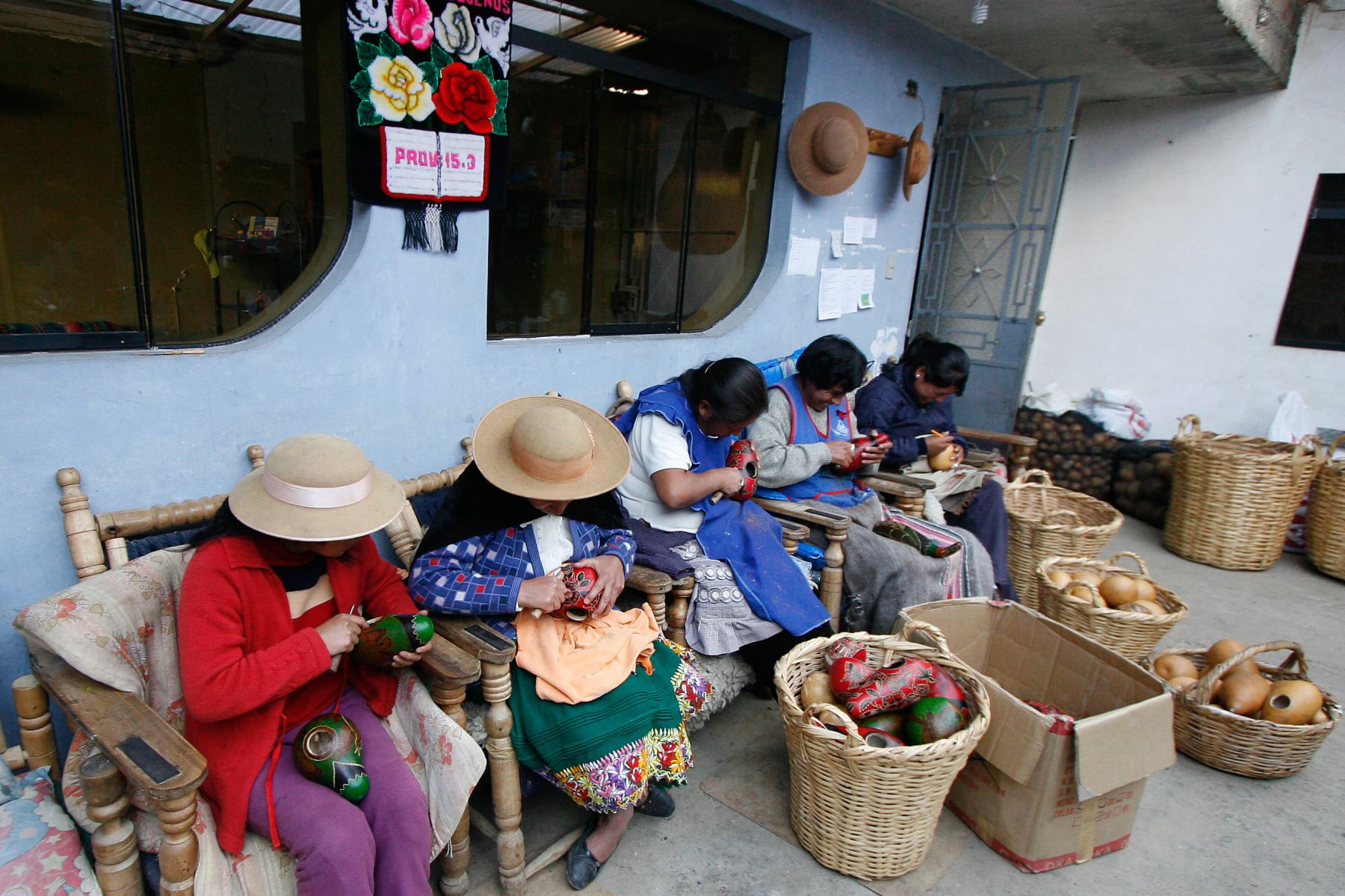
Also of note is the district of San Jerónimo de Tunán, home to artisans renowned as master goldsmiths and silversmiths for their skill in crafting delicate pieces using the filigree technique. Additionally, the villages of Cochas Chico and Cochas Grande are known for the art of "burilado de mates"—the engraving of traditional, folkloric scenes onto the surface of a "mate" (a type of gourd) using a metal tool called a "buril".
Piura
The district of Máncora, located in the province of Talara—one of the premier seaside destinations in northern Peru, known for its constant sunshine and captivating beaches—will celebrate the anniversary of its establishment as a district on November 14.
To commemorate this milestone, local authorities have organized a series of celebratory events—ranging from formal ceremonies to cultural, sporting, and gastronomic activities—that are sure to delight attendees. Visitors will also have the chance to enjoy the stunning coastal seascape and swim in the warm waters that define this appealing destination in northern Peru.
Pasco
Located in the center of the country, the Pasco region will celebrate the 82nd anniversary of its establishment as a department on November 27th. The occasion will be marked by a rich program of activities, offering a perfect opportunity to explore the region’s attractions—sites that dazzle with their abundant natural beauty, biodiversity, ancient culture, and traditions. Spread across its highland and jungle provinces, these areas feel like unique, earthly versions of Eden.
Situated 272 kilometers east of Lima via the Central Highway, the city of Cerro de Pasco—the capital of the Pasco department—lies at an altitude of 4,380 meters above sea level. It serves as the gateway to the various tourist attractions found throughout the region’s highland and jungle provinces.
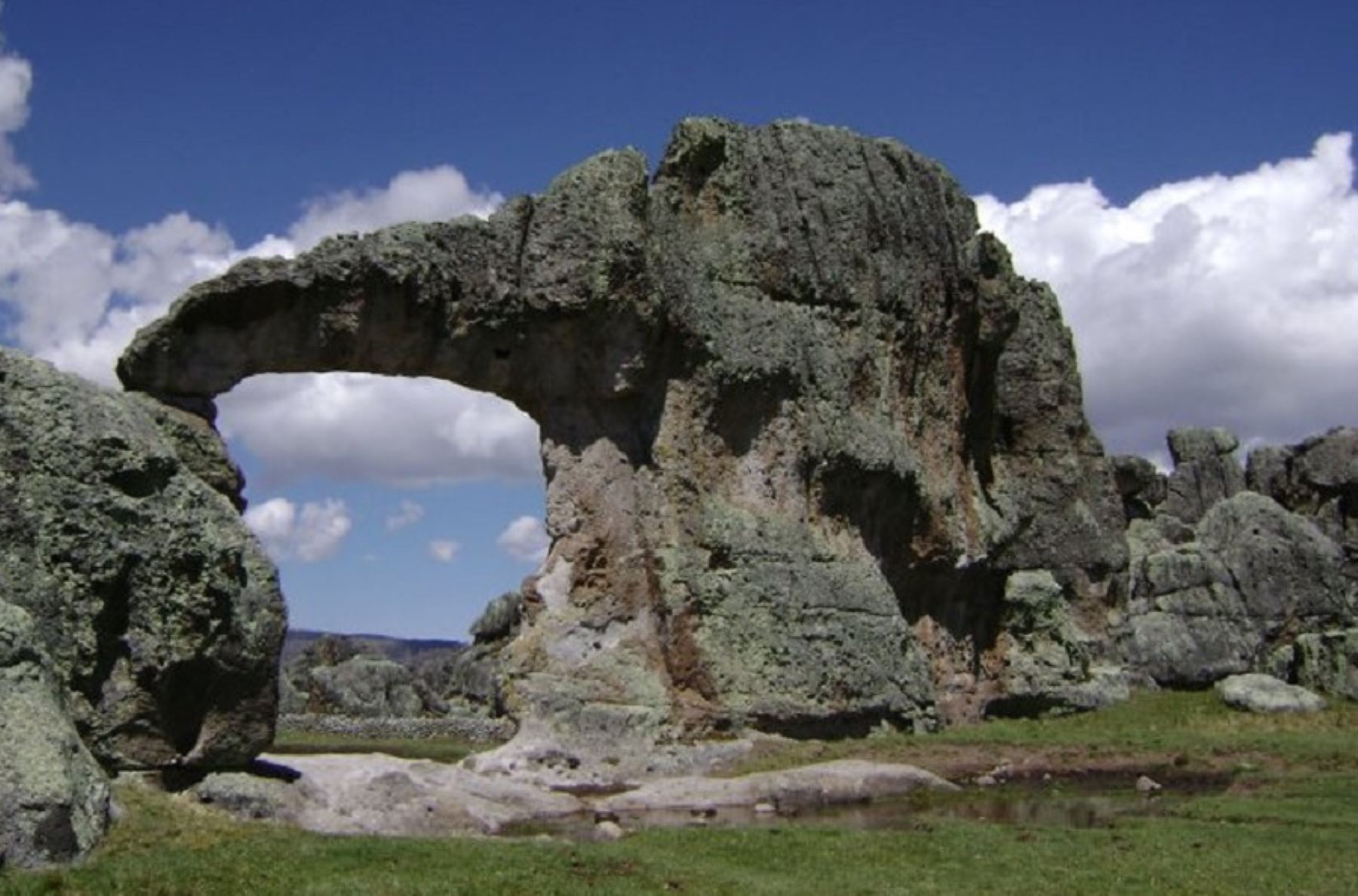
Key tourist attractions in the Pasco region include its Cathedral, the Church of the Immaculate Conception in Vico, and the Huayllay National Sanctuary.
The latter features a remarkable "stone forest" filled with whimsical, animal-like and human-like rock formations—sculpted over millennia by wind, rain, hail, and snow—which captivate the growing number of visitors who come to marvel at these imposing, cyclopean stone structures.
Other notable sites include the La Calera thermal baths; the Huaguruncho (or "White Fang") snow-capped peak, which rises to 5,730 meters above sea level and is located 66 kilometers from the city of Cerro de Pasco; the Punrún Lagoon; and the archaeological sites of Goñicutac and Huarautambo.
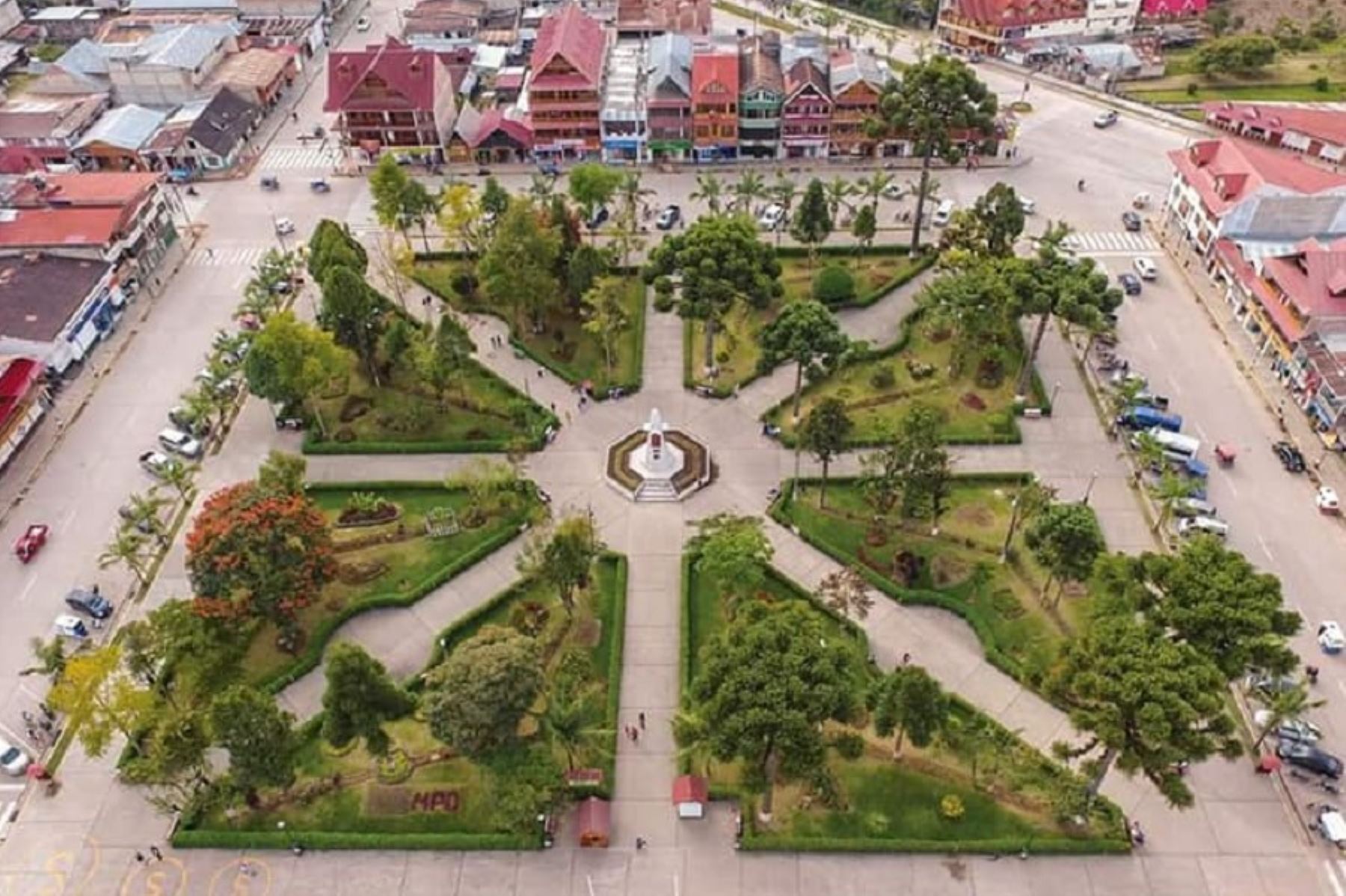
In the jungle region of Pasco, one can visit the province of Oxapampa—a place of unmistakable natural beauty—along with its districts: Villa Rica, home to some of the finest coffee in the world, and Pozuzo, which is inhabited by the descendants of German and Austrian settlers.
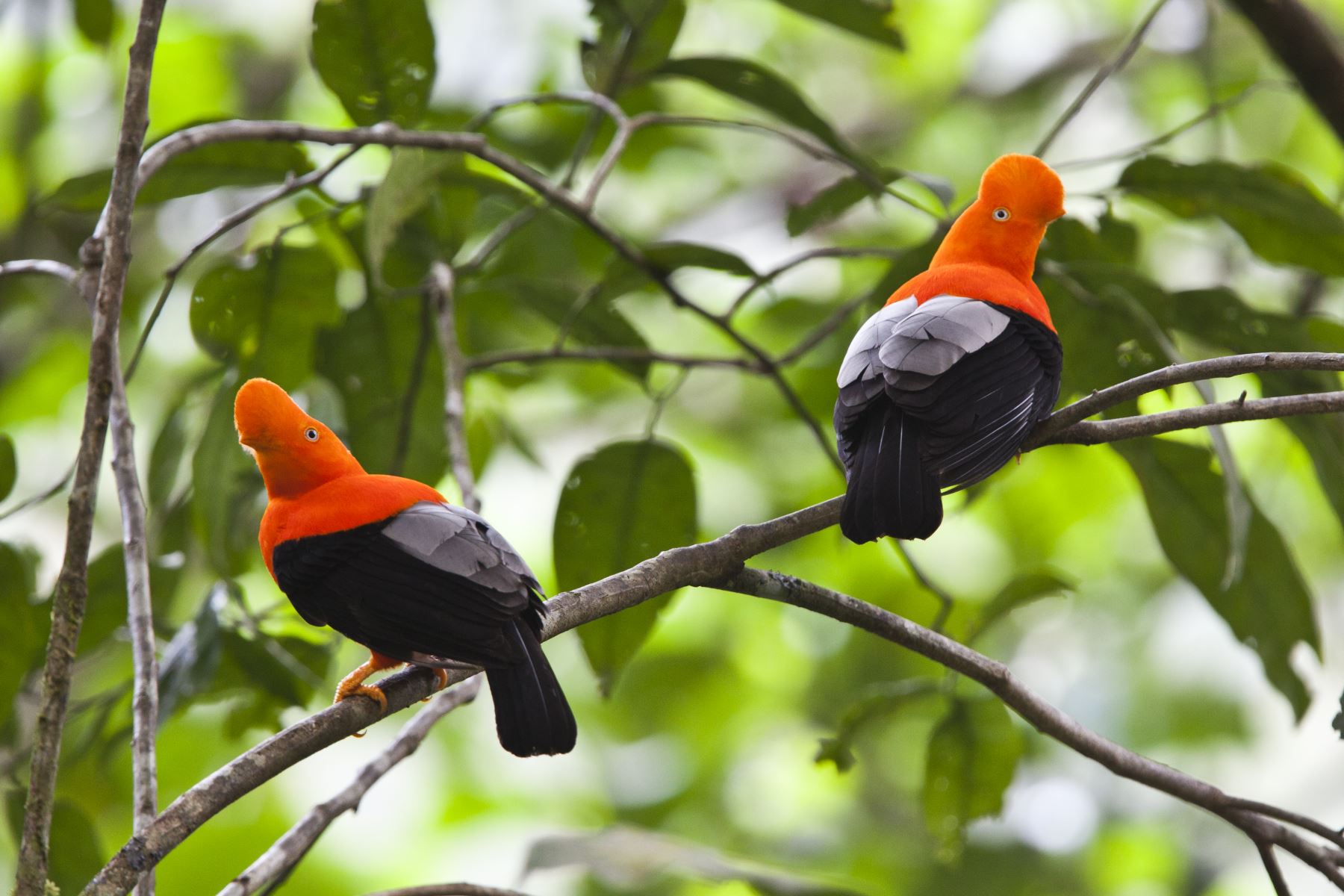
Also noteworthy are Yanachaga Chemillén National Park, with its vast biodiversity; the Yánesha and El Sira indigenous communal reserves; the “Los Colonos” (Settlers’) Plaza; the Emperor Wilhelm II Bridge; the Grotto of the Virgin of Lourdes; the “Los Colonos” Cemetery; the Civic Plaza of Pozuzo; the “La Identidad” (Identity) Park in Prusia; and the El Encanto Waterfall, among many other fascinating sites. Visitors can also enjoy a rich local cuisine—a blend of indigenous and European influences that has resulted in delicious, traditional dishes.
More from Andina:
(END) LZD/MAO / MDV