11:00 | Cusco (Cusco region), Nov. 9.
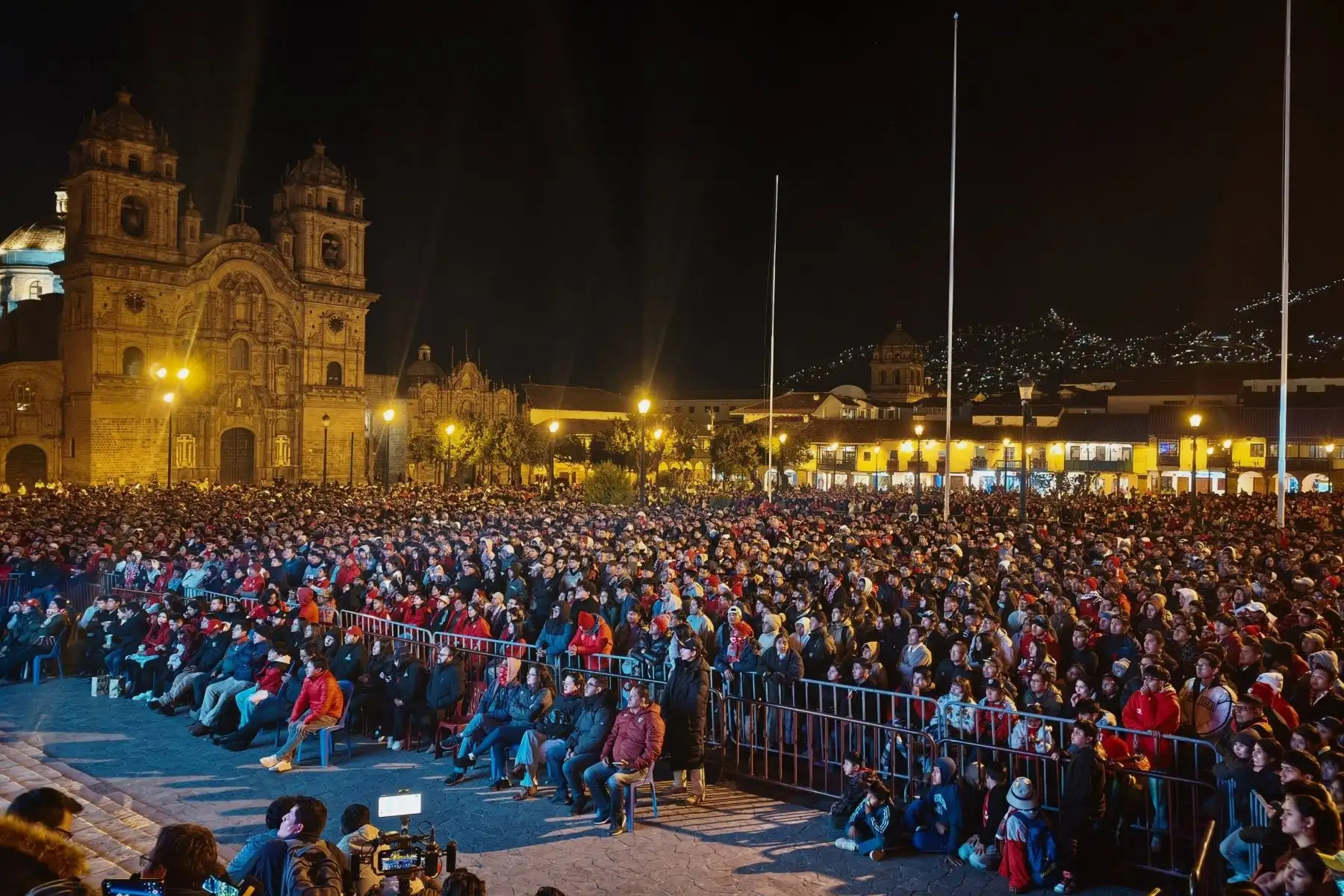
With at least half a million people expected to arrive in the city of Cusco for the visit of Pope Leo XIV, tourism operators are preparing lodging, temporary accommodations, and private homes to house them, as well as parking areas for vehicles.
“The massive influx of visitors—from within the region, other parts of the country, and abroad—will exceed the city’s hotel capacity; however, measures are being taken to ensure their safety,” stated Rosendo Baca Palomino, manager of the Regional Directorate of Foreign Trade and Tourism (Gercetur) in Cusco, to the Andina news agency.
According to Gercetur statistics, the province of Cusco has 321 categorized lodging establishments and 1,306 uncategorized ones, totaling 1,627 establishments. Together, these offer 24,567 rooms with a total of 36,758 beds.
“It is not enough,” the official noted. He confirmed, however, that parking areas are being set up for families arriving by vehicle—such as the open space at Huancaro and other sites currently being evaluated by Civil Defense—which must be equipped with basic services, including water, restrooms, and security.
Temporary lodging
According to Baca Palomino, one option that emerged last September involves the provision of temporary lodging (for a minimum of three days) in local residents' homes, which may be authorized by Gercetur.
“We have made this available for over 15 days, but the response has been quite limited. In any case, we require authorization from local governments; if there is a ‘hotel’ in Wanchaq, San Sebastián, San Jerónimo, or the city center, it must undergo a Civil Defense assessment to evaluate its conditions,” he specified.
Obtaining permits from the municipalities could cost between 250 and 300 soles; however, there is hope that this requirement might be relaxed—potentially even waived—given that this measure will help address the current shortfall. Coordination meetings are ongoing to this end.
“We may be able to secure an exemption,” said Baca Palomino.
Airbnb in Cusco
As in other regions and countries, properties are being offered via Airbnb in Cusco—a service that appears to be on the rise in the city. However, there is no official registry, nor is there information on the locations of these properties, even though they will undoubtedly serve as one of many accommodation options.
“They will certainly receive visitors, but we lack data and tracking because they operate outside of any regulatory framework. We have already requested that Mincetur [Ministry of Foreign Trade and Tourism] establish regulations regarding their operation; the process is currently underway,” he stated.
Baca Palomino emphasized that ensuring the safety of visitors is essential—they cannot be left out in the open. There have even been reports that some people might camp in areas near Sacsayhuaman—a matter that, he explained, would fall under the jurisdiction of the Cusco Directorate of Culture.
“We anticipate that capacity will be exceeded, so we are taking all possible preventive measures within our reach. We cannot restrict visits from residents of the 13 provinces, neighboring regions, or surrounding countries,” he affirmed.
Regarding the potential use of certain educational institutions to provide lodging for the Catholic community, the official stated that local governments and the Archbishopric are currently reaching agreements. "I know they are working on these authorizations; these actions are being handled by these two institutions," he emphasized.
During contingency planning meetings—led by the Archbishopric of Cusco, the Foreign Ministry, and about twenty other institutions in preparation for the arrival of Pope Leo XIV—it was agreed that the city must be organized and secure, with a particular focus on ensuring safety for those arriving in Cusco.
As part of this effort, the official noted that Gercetur (Regional Directorate of Foreign Trade and Tourism) carried out formalization and training campaigns for tourism service providers, including those in the hotel, tour guide, and transport sectors. Operations were also conducted to bring businesses into compliance with formal regulations.
Tourist Information Offices
Furthermore, he indicated that the number of tourist information offices has been increased, with new locations in San Jerónimo and Tica Tica (at opposite ends of the city of Cusco) as well as in the Sacred Valley of the Incas. Existing offices—located at the airport, Machu Picchu, Santa Catalina in the historic center, and the land transport terminal—continue to operate.
“This will provide access to information on tourist routes, schedules, restrictions, ambulance locations, and safety-related aspects. The Tourist Protection Network takes action regarding the arrival of visitors—addressing issues such as delays, flight rescheduling, the tourist corridor, and health matters—all in anticipation of the arrival of at least 500,000 visitors,” he concluded.
More from Andina:
(END) PHS/MAO / MDV
Published: 11/9/2026