The water level of Lake Titicaca has dropped by 62 centimeters between May 1 and October 26 of this year, driven by rising temperatures and reduced rainfall in the high-altitude plateau (altiplano), stated Sixto Flores Sancho, director of the National Service of Meteorology and Hydrology (Senamhi) in Puno.
The official explained that daytime temperatures are currently ranging between 19 and 22 degrees Celsius, reaching highs of 24 degrees; this heat accelerates water evaporation, while the dry season and a scarcity of precipitation further exacerbate the decline.
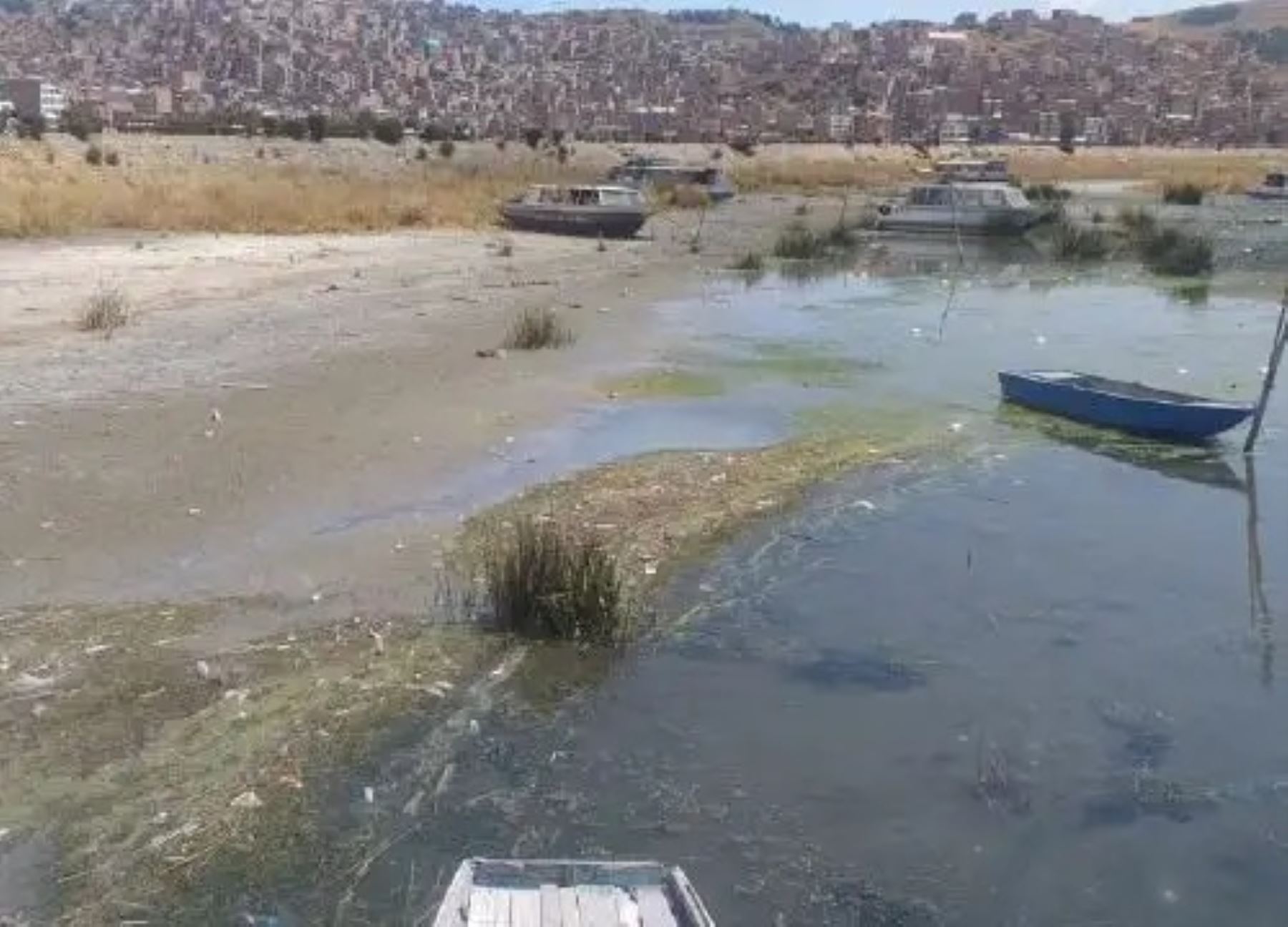
Lake Titicaca is considered the highest navigable lake in the world and the largest lake in South America.
Flores Sancho warned that the lake’s level could continue to fall throughout November, given the limited rainfall forecast for the final quarter of the year. This trend has raised concerns regarding water availability in the region.
The average water level of the lake is 3,809 meters, while the current measurement stands at 3,808.36 meters—a difference that highlights the contraction of the lake’s surface area, according to records cited by Senamhi.

Flores Sancho noted that annual precipitation levels have been declining for approximately 15 years. This prolonged reduction worsens water loss, even though the current drop is also influenced by seasonal conditions.
In 2024, the lake reached a historic low—the lowest level recorded since 1946. Flores Sancho noted that vessels experienced difficulties with boarding and disembarking, which highlighted the consequences of the drop in water levels.
El Niño and conditions in the high plateau (altiplano)
Flores Sancho pointed out that the El Niño phenomenon does not always produce the same effects in Puno; rainfall patterns depend on specific climatic conditions, as evidenced by the events of 1983 and 1998.
He warned that if the downward trend continues, the lake could reach a level next year that is equal to or lower than that recorded in 2024; future developments will depend on upcoming precipitation.
The specialist urged the public to protect the environment, including the soil, fauna, and flora. While recent rainfall has helped moisten the ground, the fires reported last week have negatively impacted these natural resources.
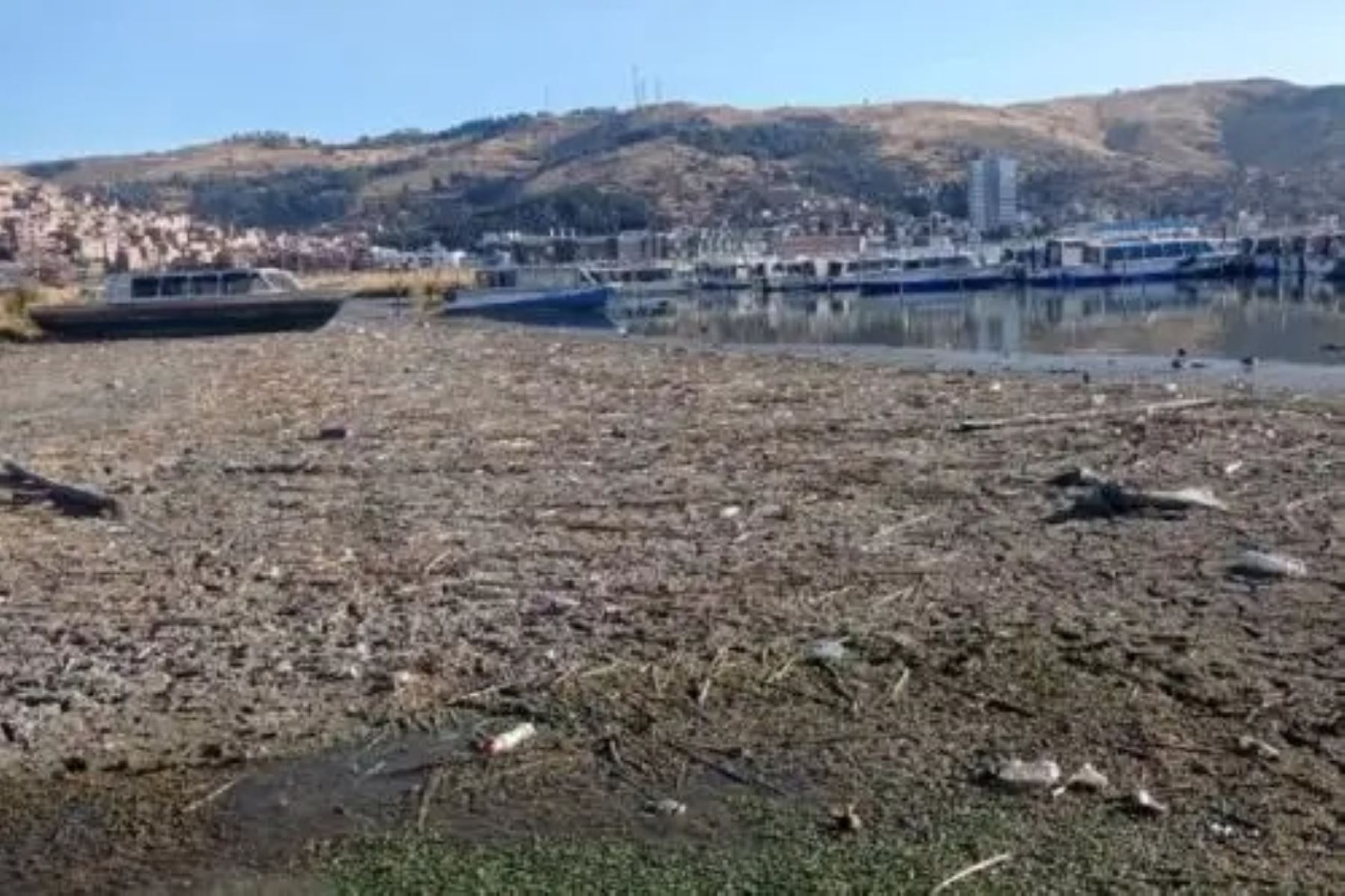
Finally, Flores Sancho noted that soil moisture helps mitigate the impact of fires, but he emphasized the importance of preserving the ecosystem. Given the climatic conditions of the high plateau, environmental protection requires concerted action from both authorities and local communities.
More from Andina:
(END) AAM/MAO / MDV
Published: 10/27/2026