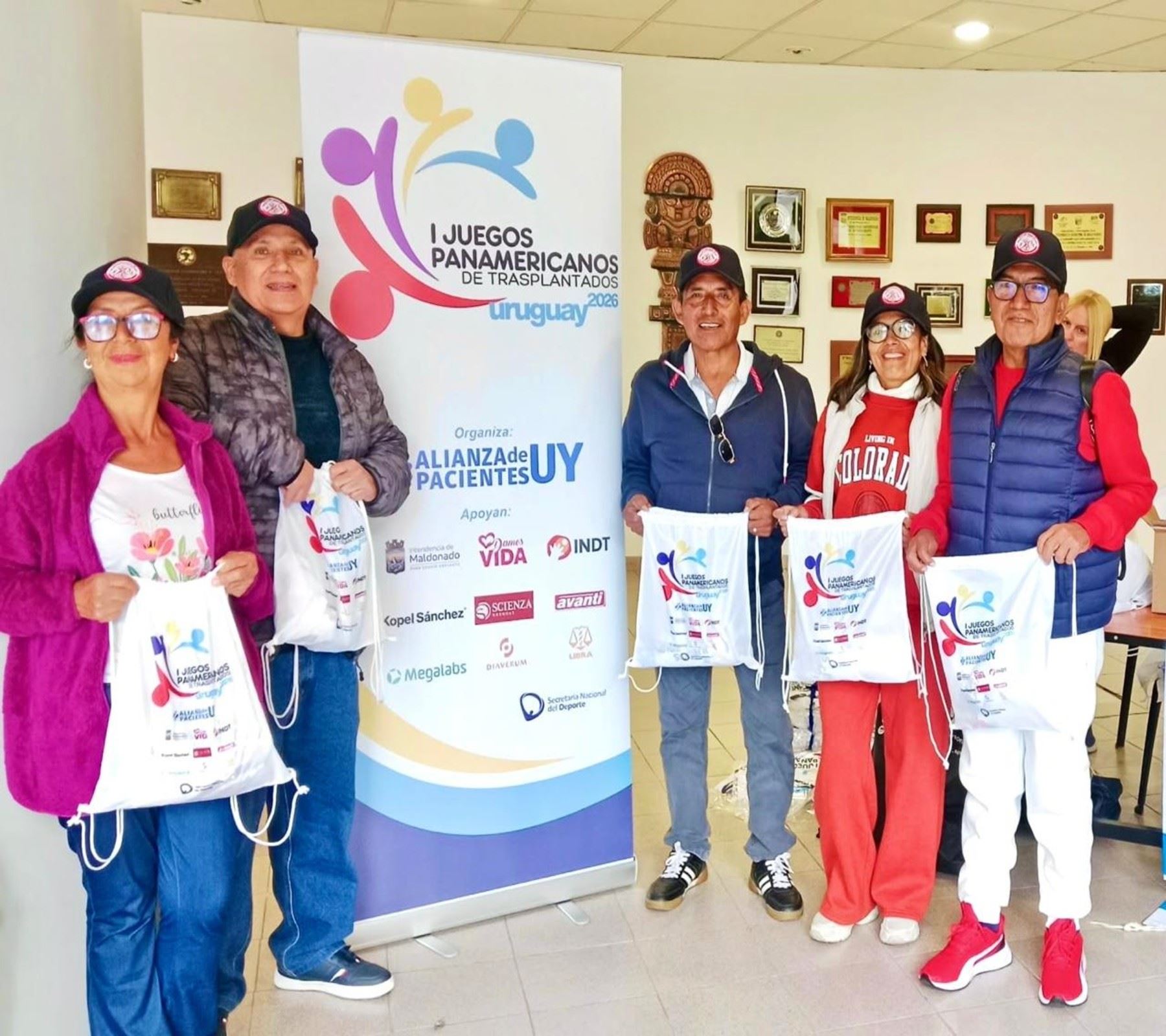
A few years ago, their greatest challenges were related to their health and the wait for an organ that would allow them to continue living. Today, five Peruvians—recipients of kidney and liver transplants—are celebrating a triumph that has inspired the entire country: they won 12 medals at the first-ever Pan American Transplant Games, held in Maldonado, Uruguay.
They have demonstrated that a second chance at life can also become a wonderful opportunity to pursue and achieve great dreams.
The Peruvian delegation secured seven gold medals, three silver, and two bronze in their debut at this international competition, where they competed alongside representatives from Colombia, Ecuador, Brazil, Chile, Argentina, and Uruguay.
Beyond the athletic results, their stories highlight the profound impact of organ donation. Each of them received a transplant that allowed them to regain their health and resume personal goals—goals that have now led them to compete and represent Peru.
Overcoming adversity
The delegation included Julio Macalupu Villegas and María Soto Solórzano—both kidney transplant recipients—who competed in track and field; Graciela Álvarez Tello, also a kidney transplant recipient, who competed in swimming and track and field; José Carlos Venero Ferreyros, a liver transplant recipient, who participated in swimming; and Alfonso Reyes Salinas, also a liver transplant recipient, who competed in track and field.
Each arrived in Uruguay with a unique story, yet all shared something in common: the opportunity to set new goals for themselves after receiving an organ transplant. Dr. Martin Padilla, manager of the Organ Procurement and Transplantation division at EsSalud, highlighted that these achievements represent much more than a sporting victory.
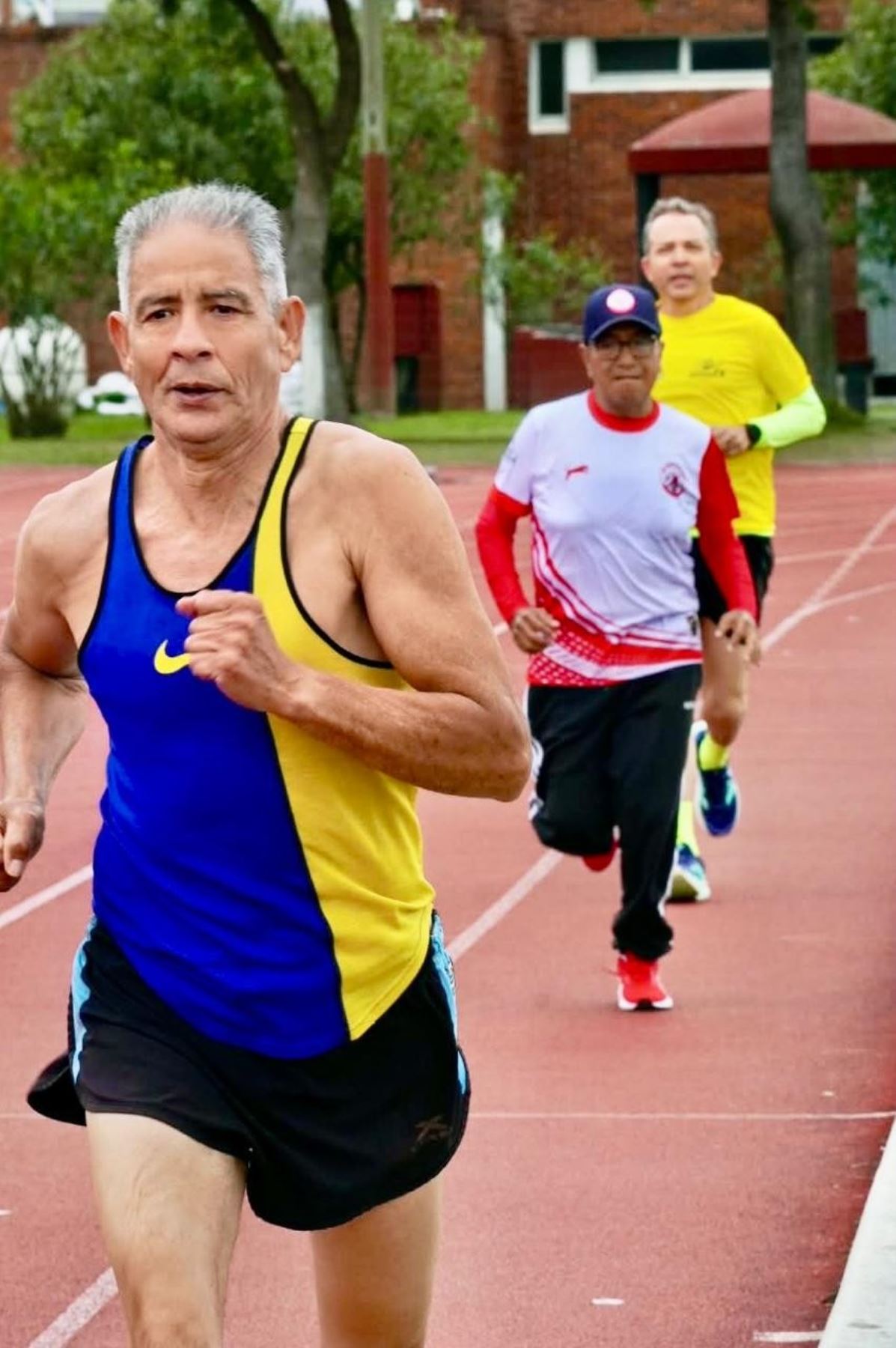
“There was a time when these five individuals were waiting on a list—their health on hold, their plans suspended. Today, they are running, swimming, and standing on the podium under the Peruvian flag, proving that receiving an organ is also an opportunity to reclaim dreams, overcome limitations, and reach new goals,” he noted.
He also reminded us that behind every transplant lies an act of altruism—a decision that can transform another person’s life.
“Every medal tells a story that began long before the competition: the story of someone who said ‘yes’ to organ donation, or of a family that, during one of their most difficult moments, chose to help others,” he emphasized.
While some celebrated, others received hope.
The timing held a special significance. As the Peruvian athletes celebrated their medals in Uruguay, a family in Lima made an altruistic decision that offered new opportunities to patients awaiting transplants.
EsSalud coordinated the 37th organ and tissue procurement operation of 2026, which yielded a liver, two kidneys, and two corneas to be allocated to patients in need.
This procedure was made possible by the generosity of a donor family, whose gesture provides an opportunity for others to regain their health and continue pursuing their life goals.
Over five decades of creating new opportunities.
Through its Organ Procurement and Transplantation division and its Procurement Operations Center, EsSalud coordinates organ and tissue donation and transplantation processes across its specialized facilities.
The institution performed its first kidney transplant in 1969 and has since carried out more than 10,500 organ and tissue transplants from both living and deceased donors.
The 12 medals won in Uruguay and the recent gesture of solidarity from a family in Lima represent two chapters of the same story: organ donation can restore opportunities to those hoping to regain their health and, over time, enable them to achieve goals that once seemed out of reach.
More from Andina:
(END) NDP/DSC / MDV
Published: 10/29/2026