As part of the preparations for the visit of Pope Leo XIV, the Ministry of Culture has overseen the site-preparation work at the Sacsayhuamán National Archaeological Park (PANS), which will host about 75,000 people who will come to this ancient site to meet the Supreme Pontiff of the Catholic Church.
These efforts are being carried out by the Cusco Decentralized Directorate of Culture (DDC) and are aimed at facilitating the movement of attendees, enhancing safety conditions, and protecting the archaeological heritage during the scheduled religious activities.
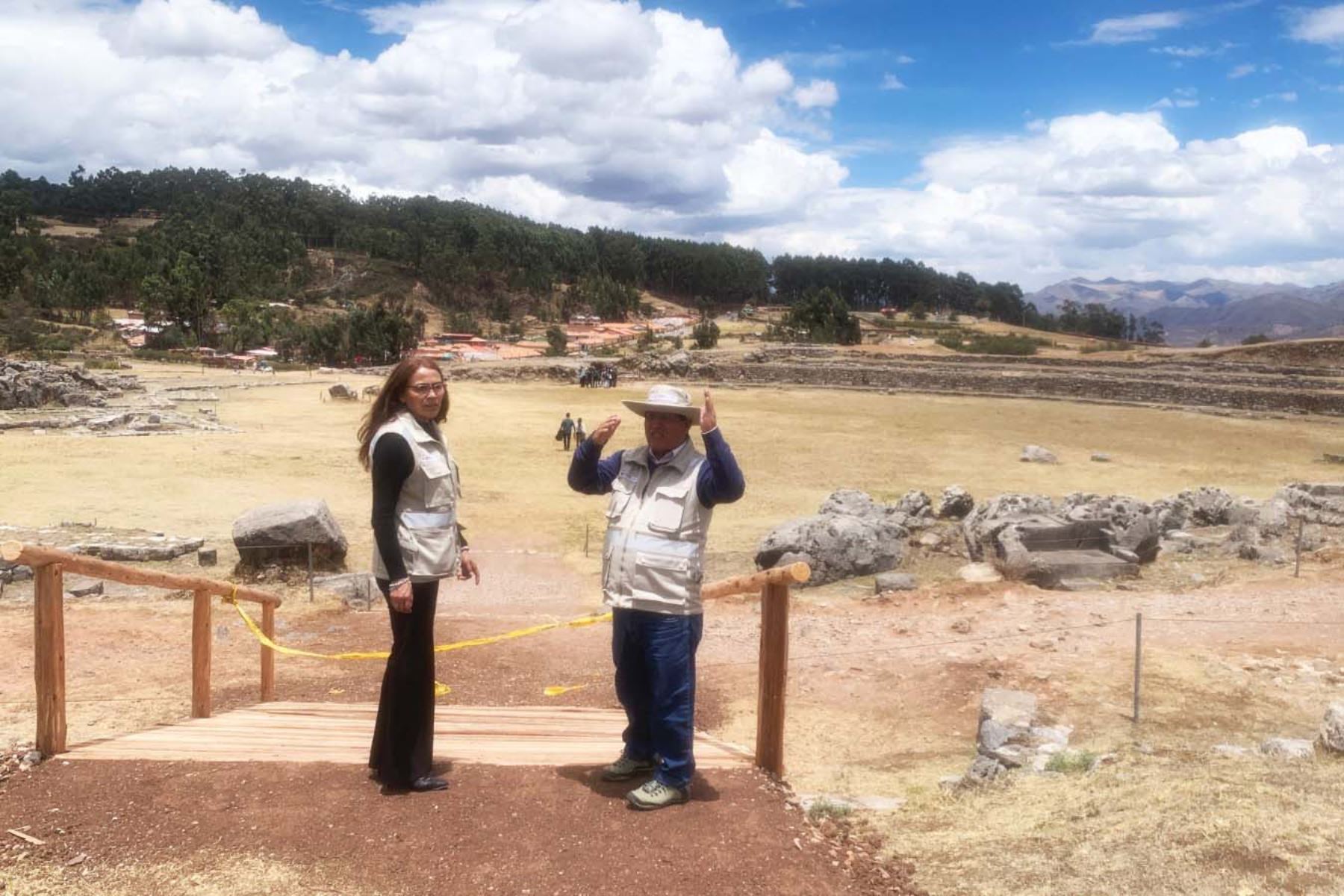
During the site visit, officials assessed the progress of work on access points and key areas within the park.
The inspection was led by the director of the Cusco DDC, Úrsula Paz Zuniga, and the head of the Sacsayhuamán National Archaeological Park (PANS), archaeologist Francisco Solís.
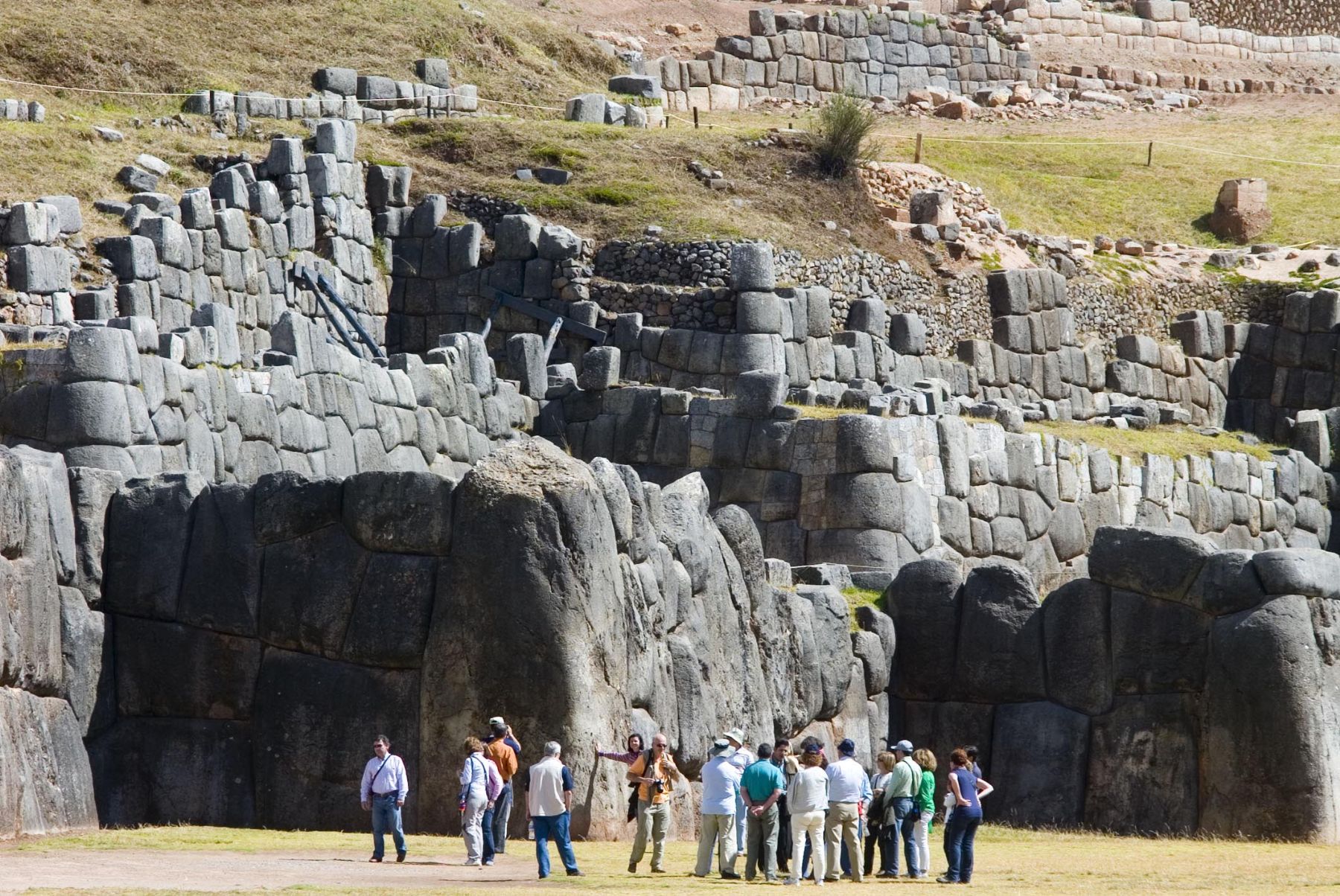
Planned work
Solís reported that the entire esplanade of the park will be prepared for the main event of the papal visit. This area has an estimated capacity of approximately 75,000 people.
The PANS representative also noted that access to the Suchuna hill will remain restricted. He added that the preparation work is set to be completed this week.
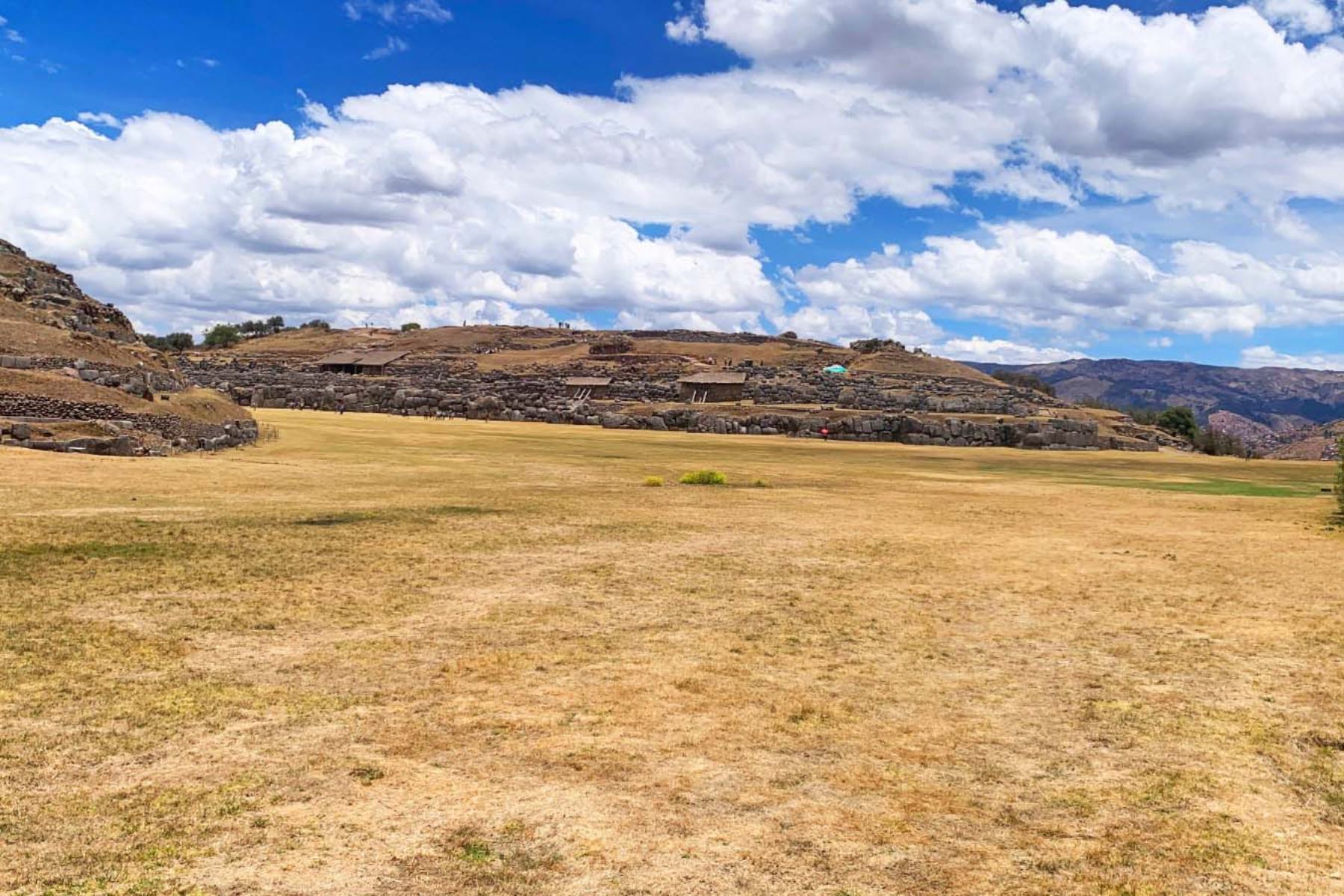
He explained that these tasks include improving entry and exit paths, installing ramps to facilitate movement and minimize the risk of damage to the ancient terraces, and carrying out work on stairways in priority sectors, such as Pucro, Qocha, and the Kiswarkancha esplanade.
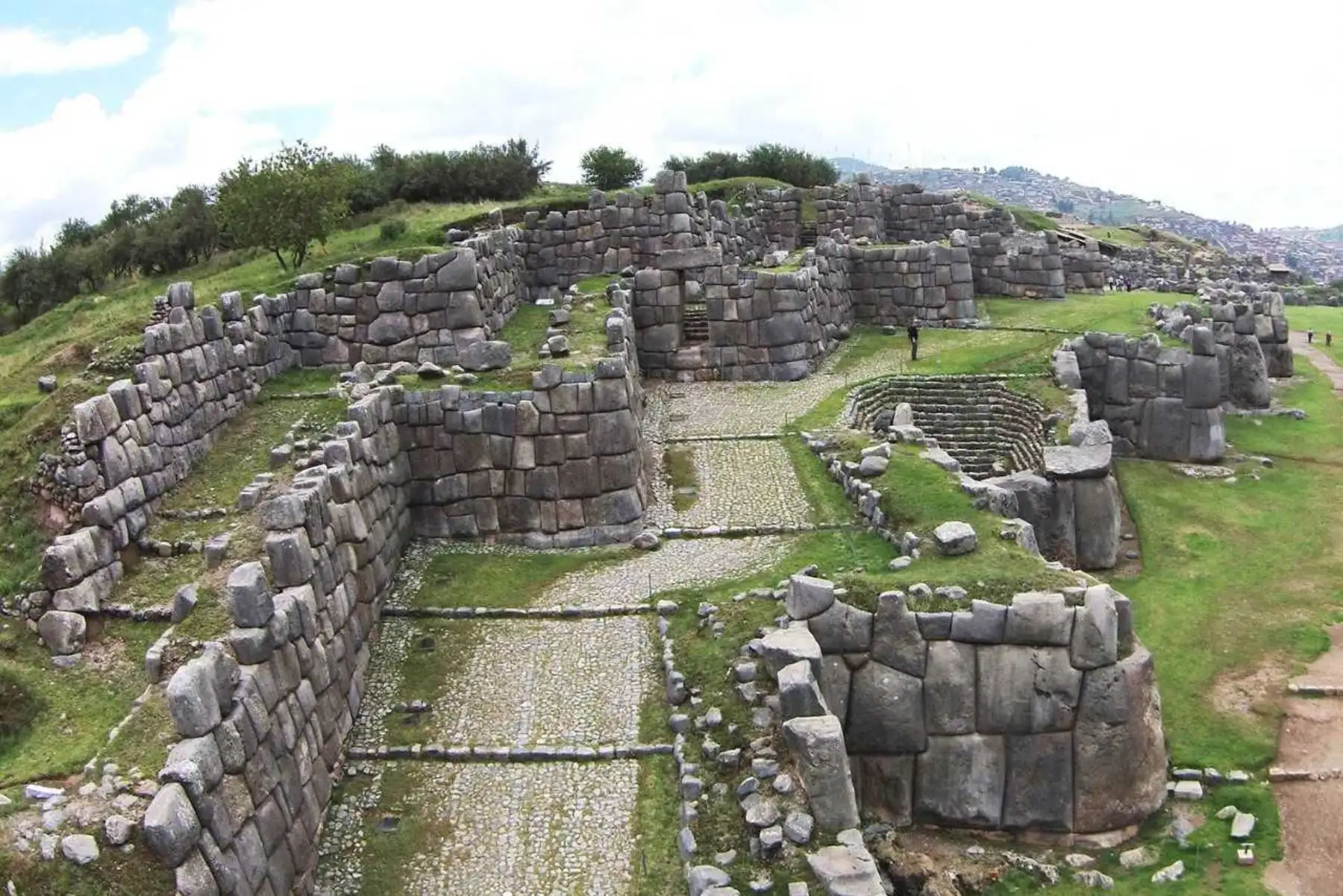
He further noted that plans include the installation of security cameras, informational signage, and protective fencing at strategic locations to guide attendees, manage the flow of people, and prevent incidents during the events.
“The goal is to ensure that the access points and designated spaces meet the necessary conditions for carrying out religious activities, while safeguarding the archaeological structures and protecting a complex that is part of Peru’s cultural heritage,” Solis noted.
More from Andina:
(END) NDP/FGM/MAO
Published: 10/29/2026