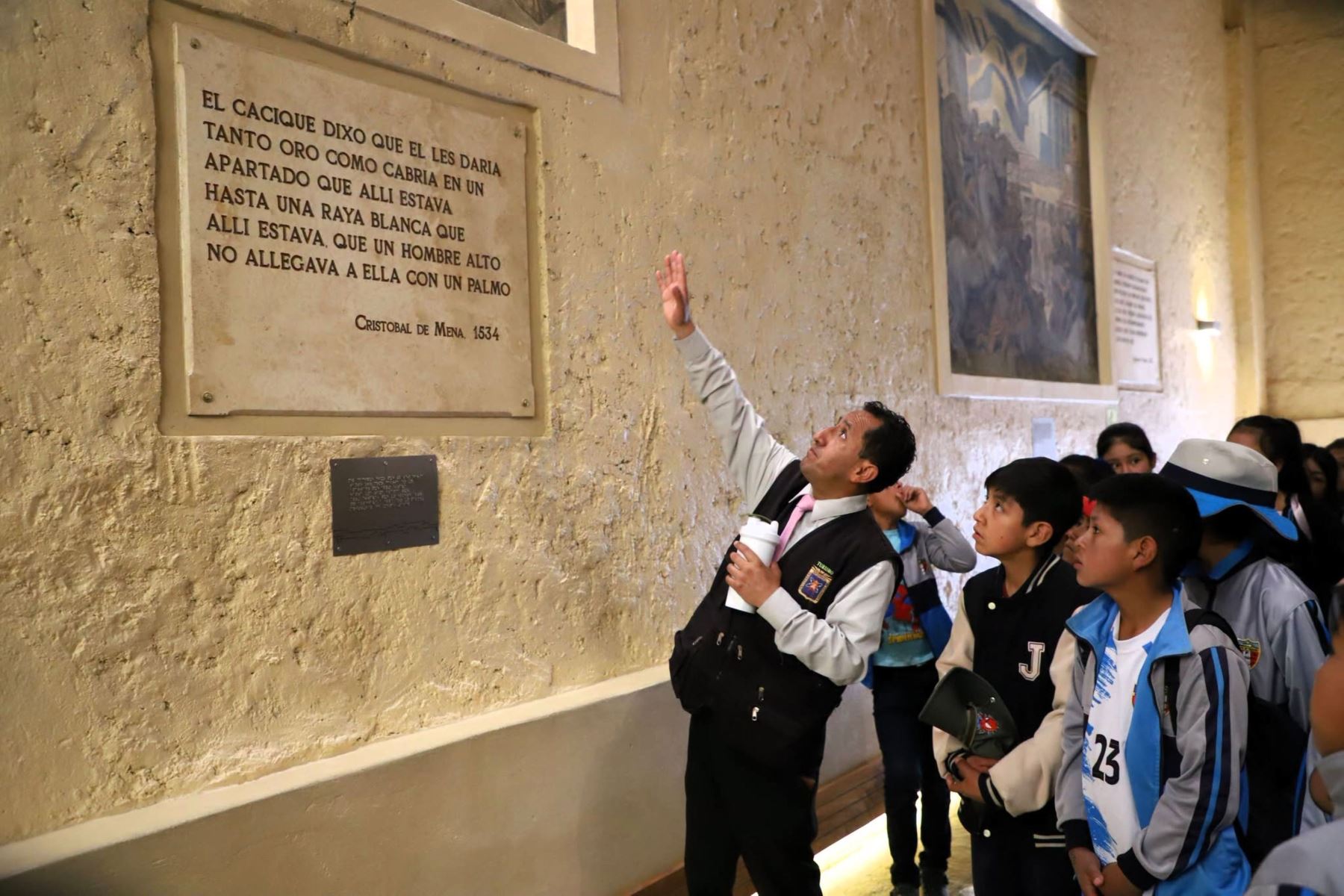
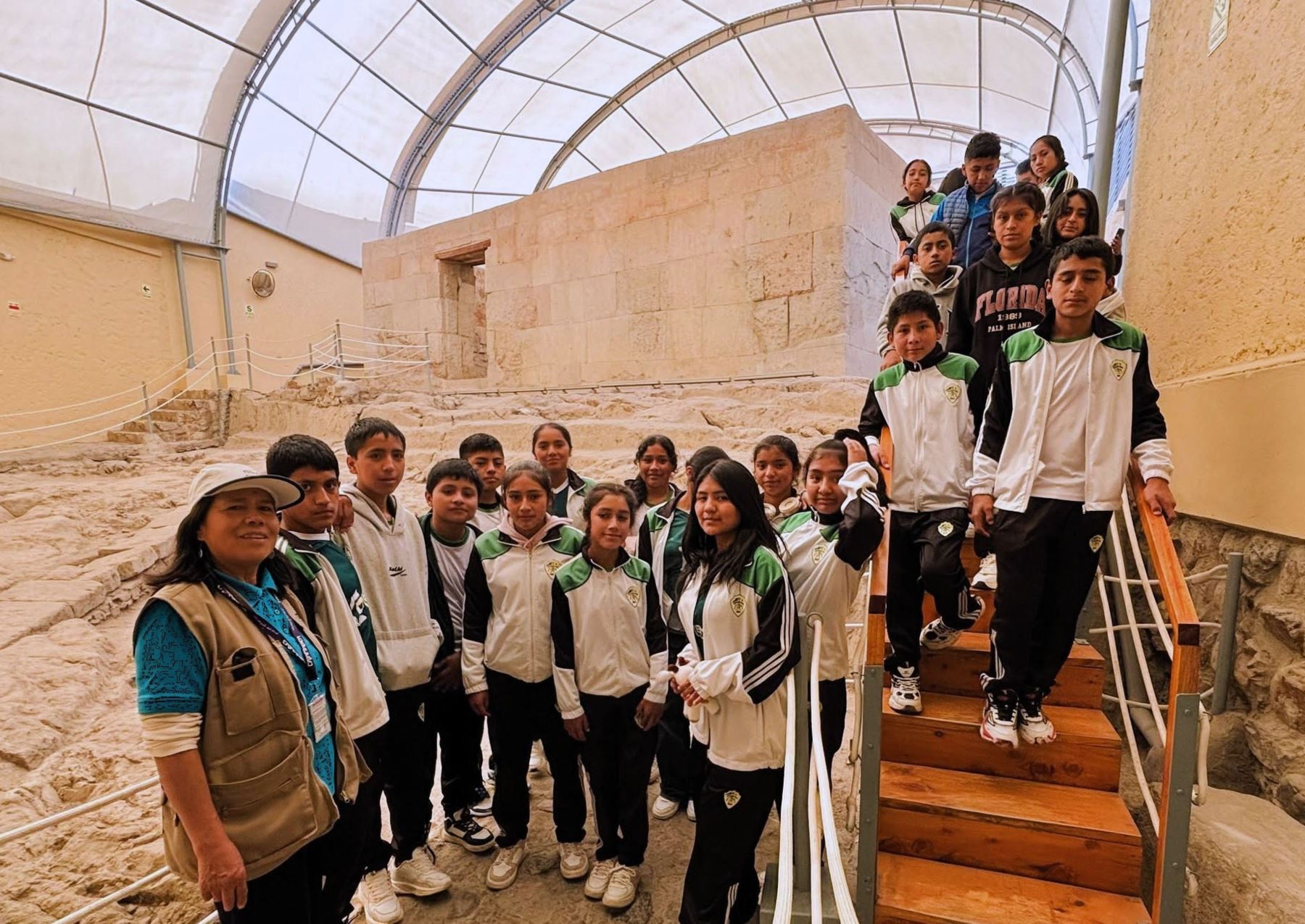
From August through November, the city of Cajamarca experiences its "school tourism" season. This year, the period is expected to conclude with the arrival of 150,000 visitors—primarily students in the sixth grade of primary school and the fifth grade of secondary school—who have chosen this destination for their traditional class trips, according to the Regional Directorate of Foreign Trade and Tourism (Dircetur).
Cajamarca attracts students due to its rich history and culture, which serve as a valuable supplement to their academic education. The city was the setting for a pivotal event in Peruvian history: the 1532 encounter between two cultures, when the Spanish conquistador Francisco Pizarro met the Inca ruler Atahualpa.
"The school tourism season is a key economic pillar for the tourism sector, while also fostering an understanding and appreciation of our historical and cultural heritage," stated Neri Huamán Cueva, head of the Regional Directorate of Foreign Trade and Tourism (Dircetur) in Cajamarca, in an interview with the Andina News Agency.
The official noted that the majority of these visitors are fifth-year secondary school students from public and private educational institutions in regions such as Lima, Lambayeque, La Libertad, Áncash, Piura, and Amazonas.
"It is an educational excursion that students undertake as part of their learning process," she emphasized. She also noted that many former students return to Cajamarca years later—now as professionals and accompanied by their own families—to revisit the memories of their school graduation trips, enjoy the local tourist attractions and natural landscapes, and savor the exquisite regional cuisine. During their stay, they also make sure to pick up local specialties such as "roscas de manteca" (traditional lard-based pastries), cheese, and "manjar blanco" (a creamy milk-based confection).
To accommodate the large groups of visiting students, the official highlighted that Cajamarca offers a well-established range of tourism services, including hotels with official star ratings, various lodging options, and restaurants.
“Should the city’s accommodation capacity reach its limit, we also have facilities available in the nearby district of Los Baños del Inca,” she explained.
Last October, Dircetur (the Regional Directorate of Foreign Trade and Tourism) conducted a statistical survey to determine the number of students arriving in Cajamarca by land and air—a process that accounts for the fact that some groups begin arriving as early as May.
This data collection is carried out with the cooperation of local hotels and tour operators.
Finally, Neri Huamán stated that tourism in Cajamarca is growing, thanks to ongoing efforts to promote the region as a travel destination. These initiatives have included participation in various events in Lima—such as the Peruvian Cheese and Cacao Fair (Salón del Queso Peruano y del Cacao)—as well as promotional activities at the Magic Water Circuit (Circuito Mágico del Agua) and business matchmaking sessions organized in collaboration with PromPerú, among other efforts.
More from Andina:
(END) ELJ / MAO / MDV
Published: 11/3/2026