By Luis Zuta DavilaPope Leo XIV began his six-day apostolic visit to Peru today—the longest stop on his 2026 South American tour. This marks his long-awaited return to the nation that embraced him as one of its own for nearly 40 years of fruitful and unforgettable pastoral service—a place where the heartfelt affection shown to him by the people inspired him to become a Peruvian citizen in 2015.
His election as Vicar of Christ, ten years later, made him the first Supreme Pontiff of Peruvian nationality.
In this article, we review the key milestones and most significant aspects of the indelible pastoral and religious legacy left by Robert Francis Prevost Martínez in Peru—specifically in the town of Chulucanas (Piura), the province of Trujillo (La Libertad region), and the Diocese of Chiclayo, which encompasses the entire department of Lambayeque and part of the Cajamarca region.
These locations in northern Peru shaped the life of the current Holy Father, cementing his deep affection for our country and his admiration for the profound Christian devotion of its people.
A childhood gift that first linked him to Peru
Although the current Pope Leo XIV’s formal connection to Peru began in 1985 with his arrival in Chulucanas as an Augustinian missionary, his bond with what would later become his second homeland actually began when he was just five years old—the age at which young Robert Francis received a colorful chullo (Andean cap) from a relative, crafted by artisans from the southern Peruvian highlands.
“When I was five years old, I’m not sure if I even knew where Peru was, but I had an uncle who worked here. My aunt gave me a chullo—one of those colorful, traditional Andean caps worn in the Apurímac region. So, my connection to Peru began at a very tender age,” he recalled with a broad smile.
He shared this after receiving the Santo Toribio de Mogrovejo Gold Medal—the highest ecclesiastical honor in Peru—in 2023, a ceremony during which he expressed his profound gratitude toward the land he would later adopt as his own.
The ecclesiastical authorities present that day smiled at his story, which he concluded with a heartfelt declaration of deep affection for our country.
“Well, as the years went by—and as Monsignor Miguel (Cabrejos) has mentioned—I have been very much present in Peru since 1985. Not continuously, perhaps, but I have always maintained a strong connection—first through the Augustinian mission in Chulucanas, and later in various other places. I have always considered it—and will always consider it—one of the greatest gifts God has ever bestowed upon me, truly,” he added, visibly moved.
Arrival in Chulucanas and first contact with Peru
In 1985, just three years after his priestly ordination, Robert Francis Prevost Martínez arrived in Peru for the first time and was assigned to the Augustinian mission in Chulucanas, in the Piura region.
He remained there for a year, serving as parochial vicar of the Cathedral of the Holy Family and as chancellor of what was then the Territorial Prelature of Chulucanas—a jurisdiction entrusted to the Augustinians by Pope Paul VI in 1964.
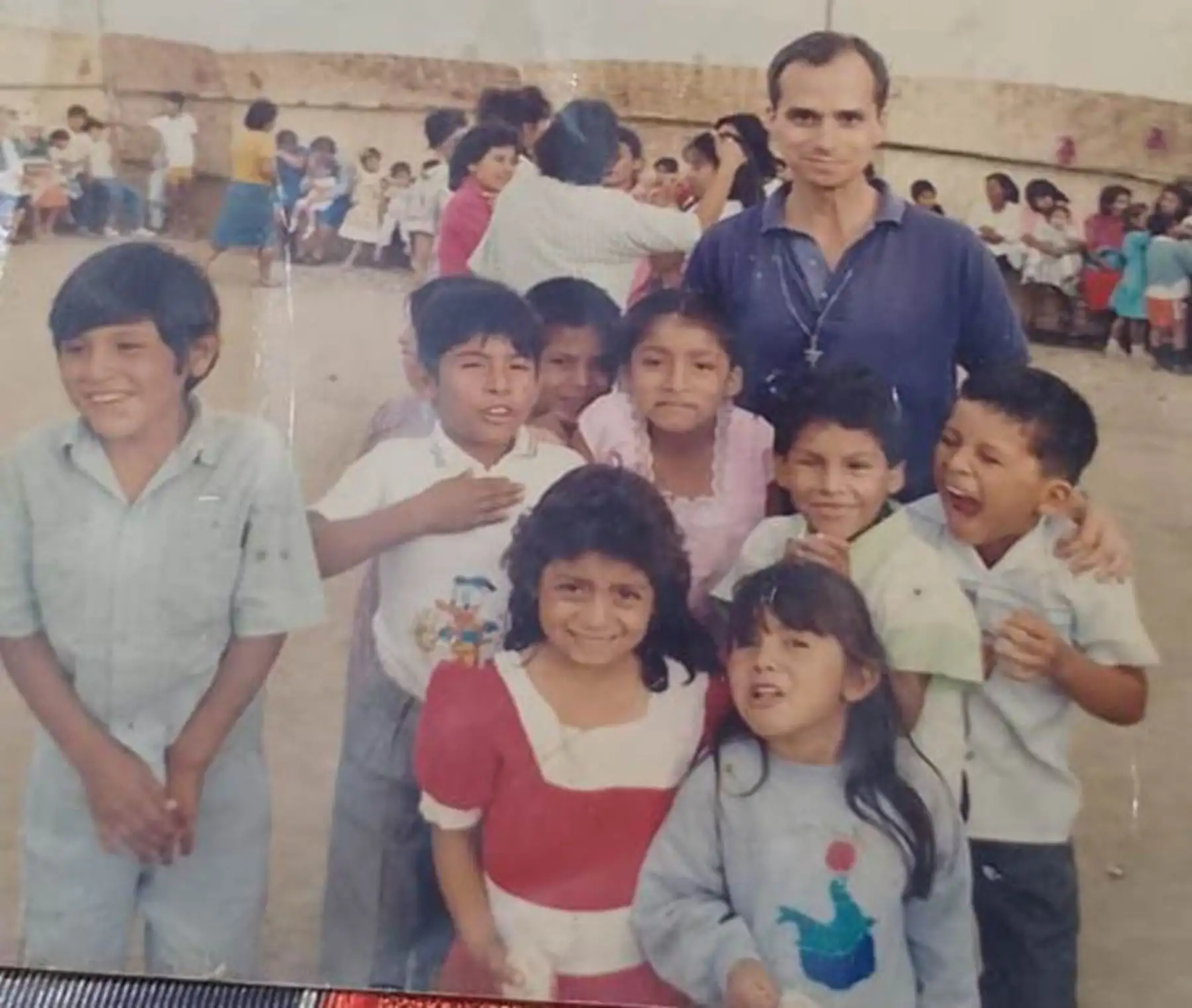
The young priest, Prevost, did not merely focus on the efficient administration of the prelature; he also played a crucial role in the formation of new priests.
Through his constant presence among the parishioners and the general population—especially in the poorest, most rural areas—he forged a deep, affectionate bond, earning a level of gratitude that was truly exceptional.
The Prelature of Chulucanas holds territorial jurisdiction over the provinces of Ayabaca, Huancabamba, and Morropón—all located in the Piura region—where the majority of the population professes the Catholic faith. Its seat is in the city of Chulucanas, home to the Cathedral of the Holy Family. The prelature oversees 23 parishes, as well as the Sanctuary of Our Lady of the Pillar in Ayabaca.
The latter is the site where the "Captive Lord of Ayabaca" (Señor Cautivo de Ayabaca) is venerated; the feast day dedicated to Him is one of the most well-attended religious celebrations in Peru and has been recognized as a National Cultural Heritage site since 2013.
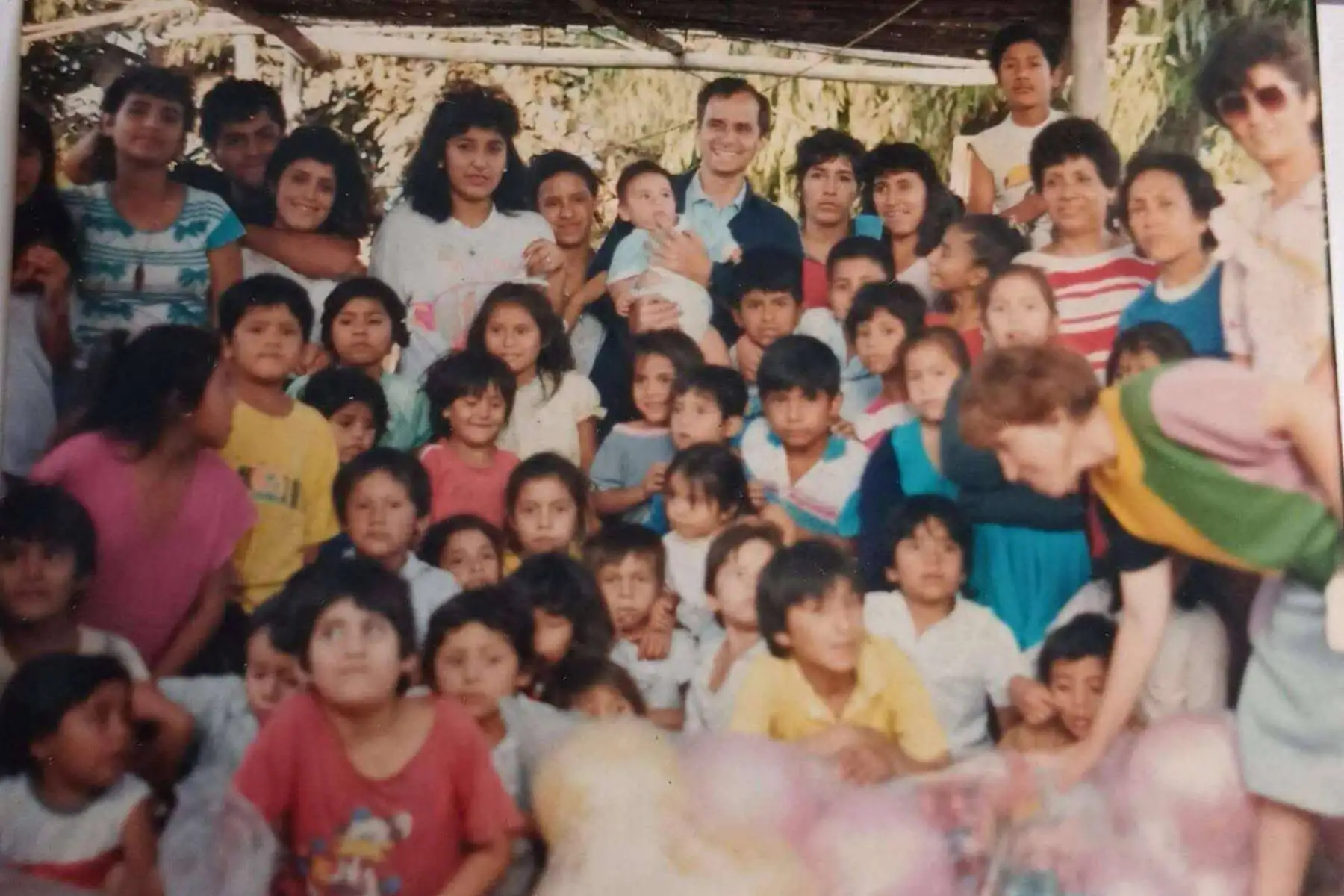
During his pastoral work in Chulucanas, Father Roberto—as the community began to call him—participated in countless activities, ranging from ecclesiastical and pastoral duties to local cultural events.
In the process, he refined his command of the Spanish language, mastered the regional idioms of Piura, and gained a deep understanding of the local character.
He also built lasting friendships—so much so that he was even asked to serve as the godfather to a baby girl. Her parents named her Mildred, in honor of the young priest’s own mother. The baptism took place on August 17, 1996, just a few days after his young goddaughter turned one year old.
Thirty years later, Mildred Camacho—a goddaughter of Robert Prevost—explains that her name carries deep emotional significance for him. At the time, his mother had passed away, and in her memory, Mildred’s father, Héctor Camacho, decided to name his daughter after her—a gesture that Robert Prevost welcomed with great joy.
“The intention was to pay a small tribute. Knowing the backstory, it carries a very strong emotional weight for me. It was because of this that he was also asked to be my godfather, and he happily accepted,” shared his goddaughter, who is now a mother of two girls.
Mildred highlights that Robert Prevost embodies exactly what a godfather should be.
“Often, there’s a common reality where a godfather is present for the ceremony and then disappears from your life. But that’s not the case with him; he has always remained close to me and my family,” she said, speaking with warmth.
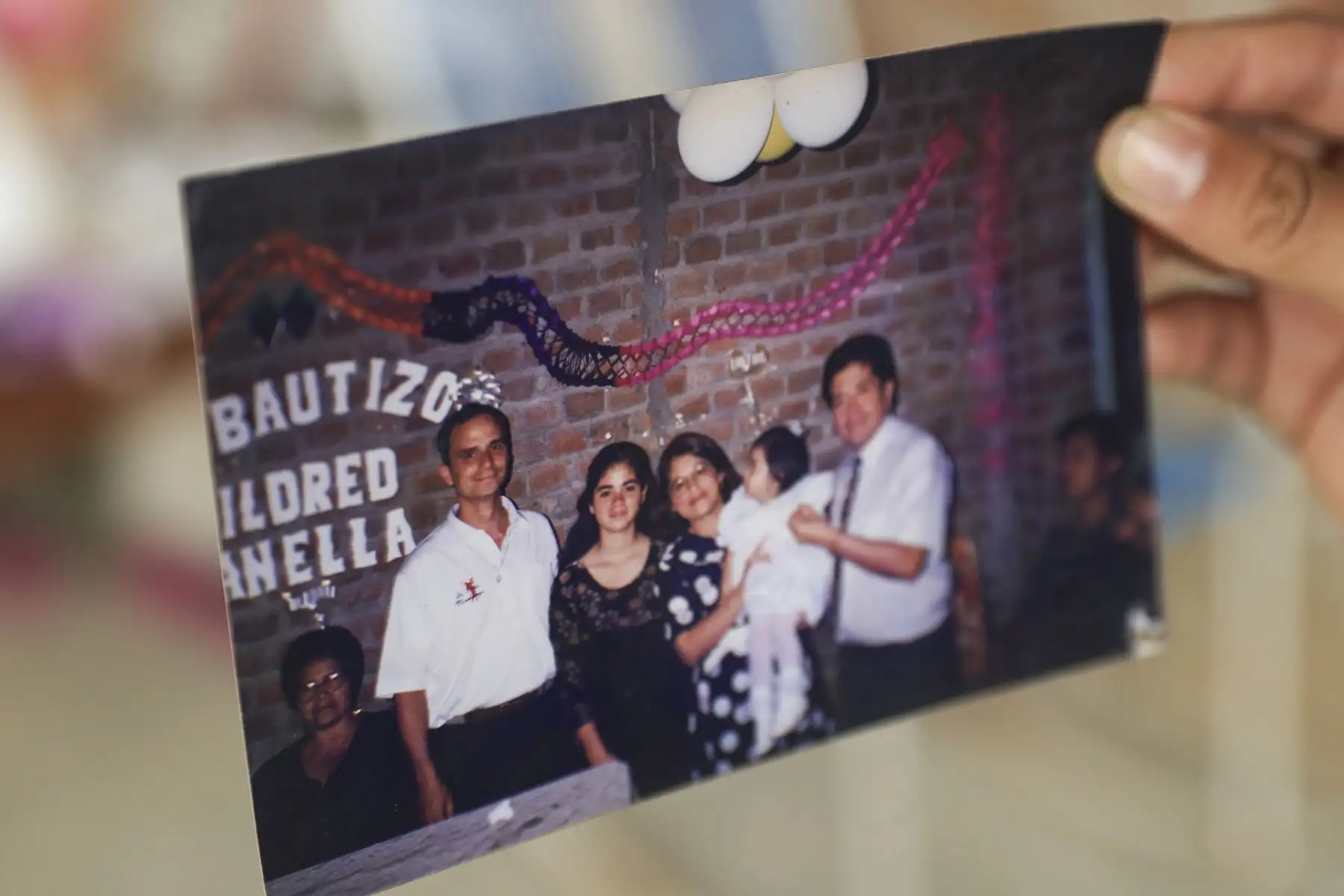
Robert Prevost remained in Chulucanas until 1987, when he traveled to the United States after being appointed director of vocations and director of missions for his Augustinian province, taking up residence in Olympia Fields.
A decade of pastoral and ecclesiastical impact in Trujillo
In 1988, Robert Prevost returned to Peru—specifically to the Augustinian mission in Trujillo—to lead the first joint formation house for the Augustinian vicariates of Chulucanas, Iquitos, and Apurímac. There, he served as prior (1988–1992), director of formation (1988–1998), and master of professed friars (1993–1998).
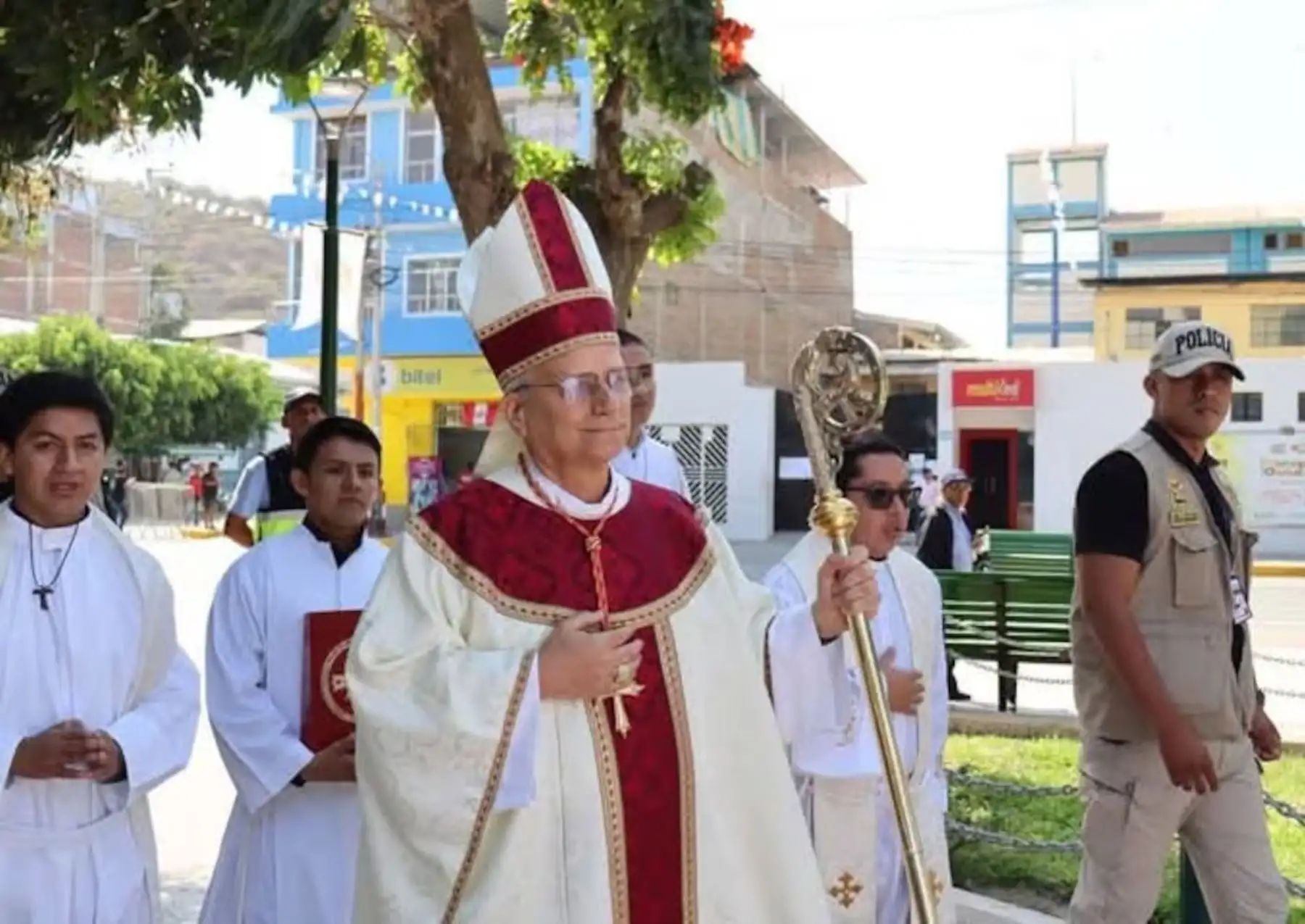
He also serves as director of studies and interim rector of the San Carlos and San Marcelo Archdiocesan Major Seminary—where he teaches canon law, moral theology, and patristics—as well as judicial vicar, a member of the College of Consultors of Trujillo, pastor of the parish of Our Lady, Mother of the Church (now the parish of Saint Rita of Cascia) (1988–1999), and administrator of the parish of Our Lady of Montserrat (1992–1999).
In Trujillo, the Convent of Saint Thomas of Villanova preserves a special space linked to the man who is now Pope: the simple room he occupied when he was Father Robert Prevost.
He resided there during the ten years he spent in the "City of Eternal Spring," and his space for rest and personal prayer is still preserved as a site of local historical significance.
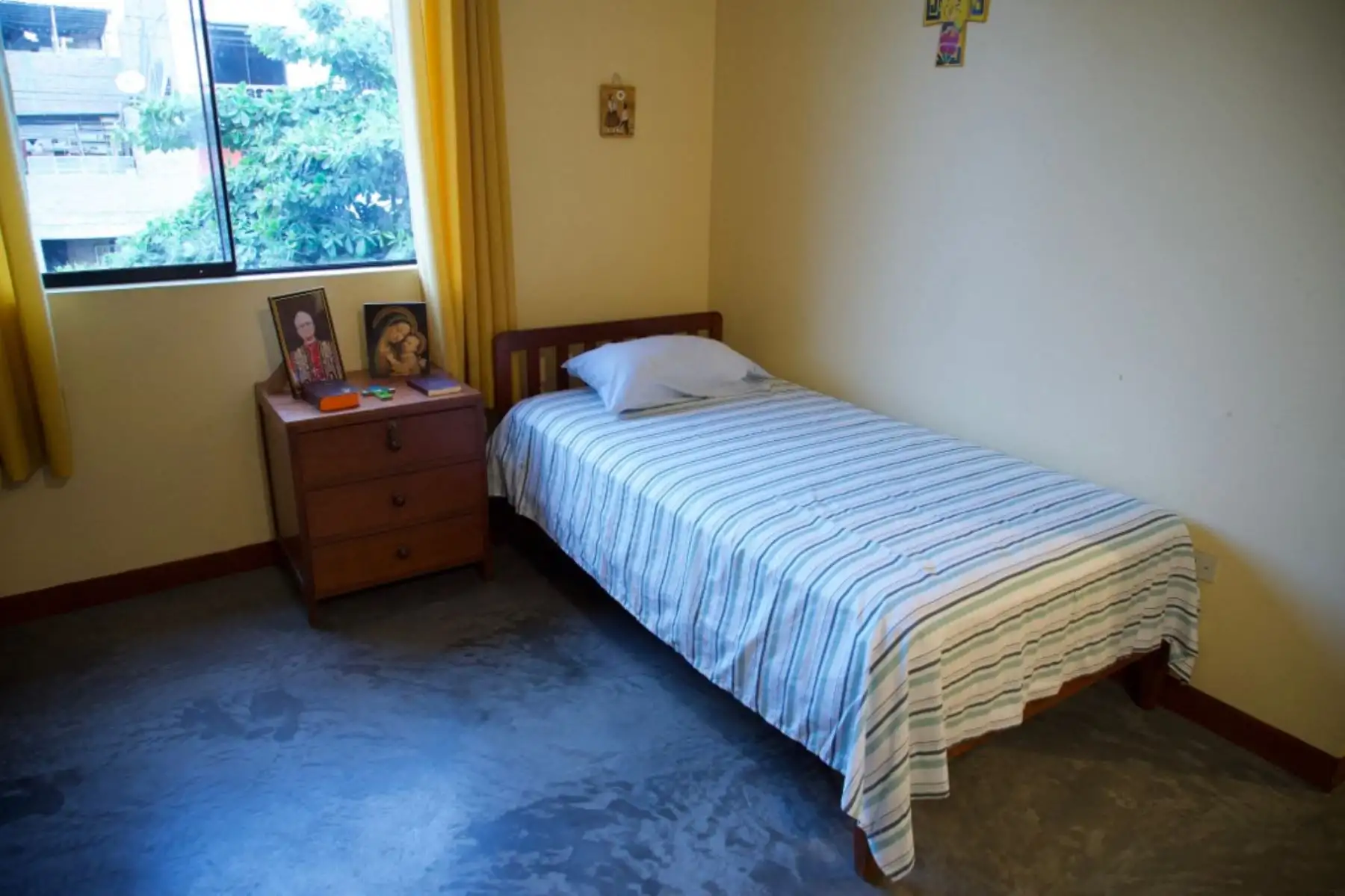
María Yopla, an 85-year-old resident of Trujillo who was very close to Robert Prevost, recounted that she and the future Pope founded two major parishes in Trujillo—Our Lady of Montserrat and Saint Rita of Cascia—where they worked side by side on pastoral and community activities.
Yopla highlighted Prevost’s personal commitment, not only in his spiritual and religious role but also in his human effort to establish more parishes.
“We, the parish groups, worked on construction, and he often contributed his own money—paying out of his own pocket—to help build the churches. I feel grateful and happy to have known him,” she says.
The parishioner also shared anecdotes that reflect the closeness the now-Pope felt toward the local community.
“We used to celebrate his birthday at my home; we would go out on mission work; we would gather at my house… and such is life—now we are left with our memories of him. I have photos of him taken at my home; it brings me great joy, and when he returns to Peru, we will welcome him with open arms,” she expressed.
The story of María Yopla and her connection to Pope Leo XIV highlights the mark left by the new pontiff in Trujillo—a legacy defined by simplicity, humility, service, and solidarity with his people.
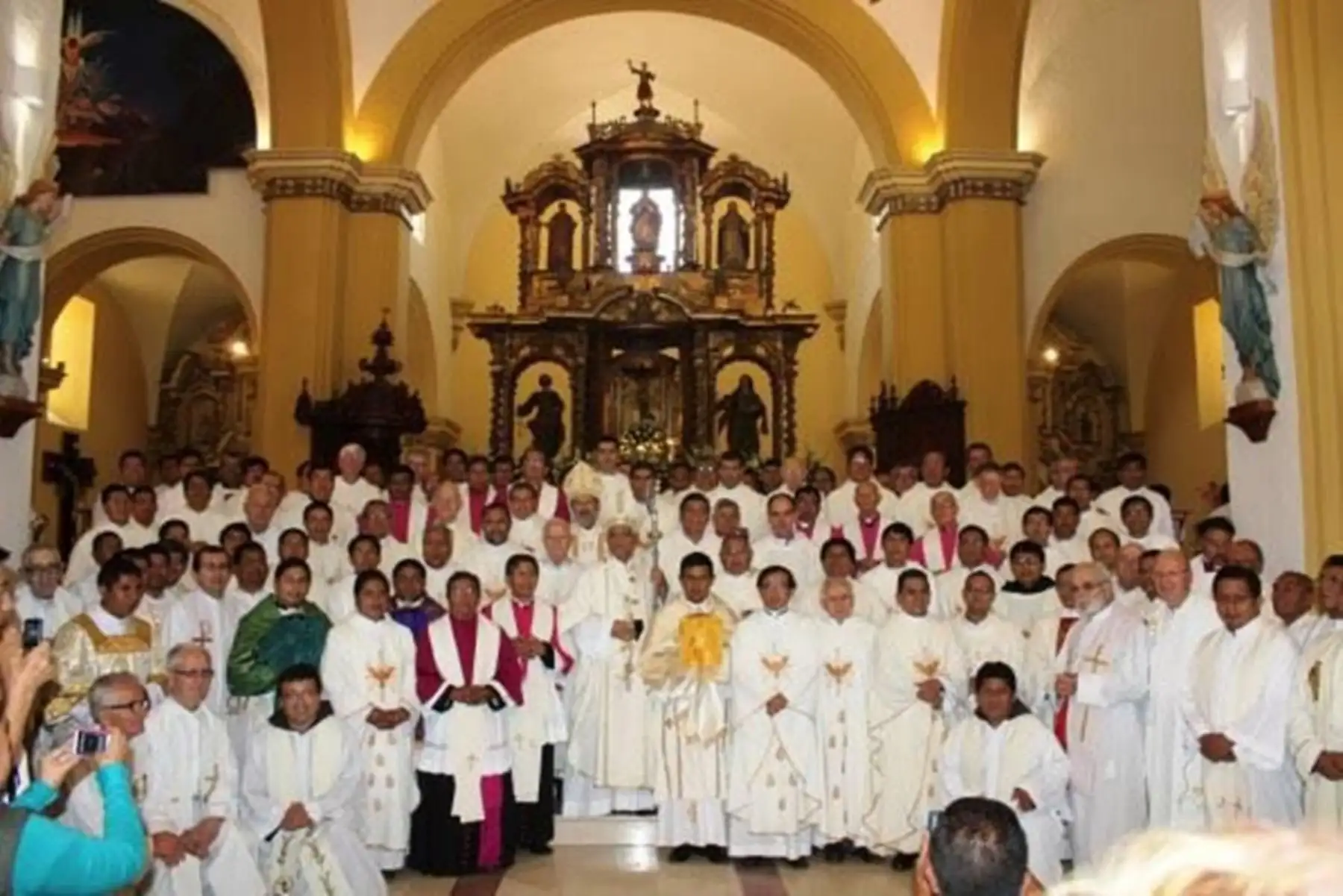
In 1998, Robert Prevost’s pastoral work in Trujillo came to an end after he was elected Prior Provincial of the Midwest Province of Our Mother of Good Counsel. He returned to the United States to begin his term on March 8, 1999.
Bishop of Chiclayo
The religious and spiritual bond between the people of Chiclayo and Pope Leo XIV was forged upon his arrival in the "City of Friendship" in 2014, following his appointment by the then-Pope Francis as Apostolic Administrator—and subsequently, in 2015, as Bishop of the Diocese of Chiclayo.
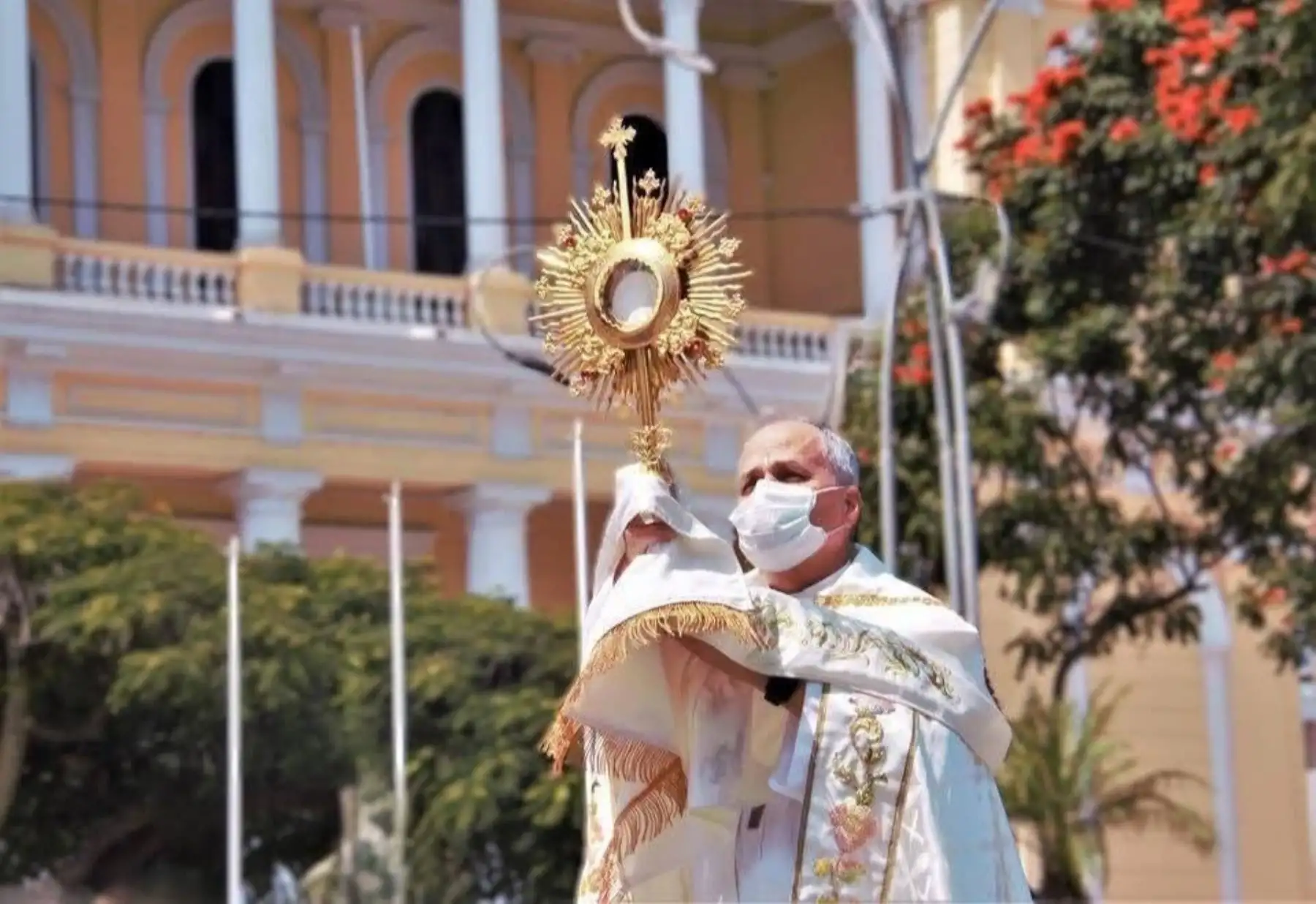
Although his role as an ecclesiastical authority in the capital of Lambayeque—and the other provinces of that cherished department in northern Peru—was just beginning, there were already excellent accounts of Monsignor Robert Prevost Martínez’s pastoral work.
He had previously served in Chulucanas (Piura)—the first Peruvian locality he arrived in as an Augustinian missionary in 1985—as well as in Trujillo (La Libertad) and the Constitutional Province of Callao.
On September 25, 2015, he was appointed bishop, and on December 12 of that same year, Monsignor Robert Prevost received his episcopal consecration during a solemn liturgical ceremony held at the Cathedral of Saint Mary in Chiclayo.
He assumed pastoral leadership over more than 50 parishes and a population of over one million Catholic faithful, reaffirming his commitment to promoting spirituality through solidarity within the Christian Church. That year, he also obtained Peruvian citizenship and received his National Identity Document (DNI).
In one of his first acts as bishop, he participated in the beatification Mass for three priests who had been murdered in 1991—men whom the Church now refers to as "martyrs of Catholicism."
Furthermore, he established a Commission for Integral Ecology in Chiclayo, aligned with Pope Francis’s encyclical Laudato Si’, which calls for the care of our planet in the face of the dangers posed by consumerism.
From the moment he first arrived in Lambayeque to take on the responsibility of leading the Diocese of Chiclayo, Monsignor Robert Prevost connected immediately with the local population and experienced their characteristically warm and heartfelt hospitality.
He also witnessed the profound religious devotion of the people of Lambayeque, evidenced by the massive attendance at liturgical celebrations and the large-scale participation in religious festivities—such as Holy Week, the solemnity in honor of the Divino Niño del Milagro (Divine Child of the Miracle) in Ciudad Eten, and the veneration of the Santísima Cruz de Motupe (Holy Cross of Motupe)—to name only the most iconic examples.
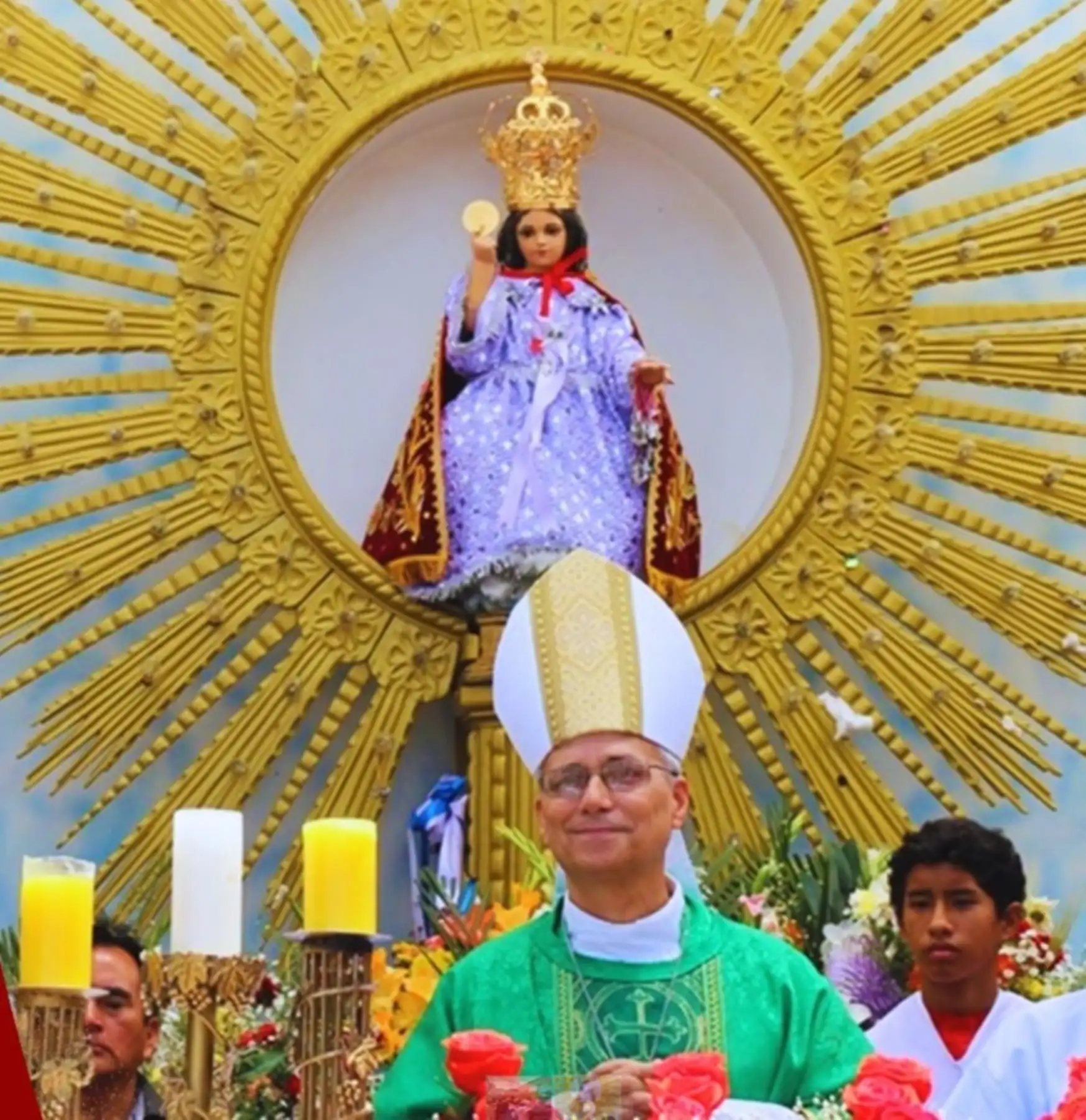
The people of Chiclayo and the Lambayeque region fondly remember the humility and complete availability of the then-bishop—affectionately known as “Roberto”—who would readily participate in activities organized by parish groups within his diocese.
He was always ready to listen and engage in dialogue with the faithful, traveling to remote areas—whether on foot, on horseback, or by mule—and arriving with enthusiasm and a smile, grateful for the warm welcome he received from the young, the elderly, and everyone in between, who always awaited his arrival with deep affection.
Countless were the Masses, baptisms, weddings, confirmations, confessions, and other sacraments celebrated by Robert Prevost during his pastoral ministry in Lambayeque.
In March 2017, when the El Niño Costero phenomenon struck the northern coast of Peru with extraordinary intensity and devastating consequences, Bishop Robert Prevost led an exemplary and unforgettable emergency response.
He traveled on foot through rural areas isolated by flooding to bring a message of comfort and hope to the population, while also working alongside parish volunteers to deliver humanitarian aid—collected through the solidarity of the diocese’s various parishes.
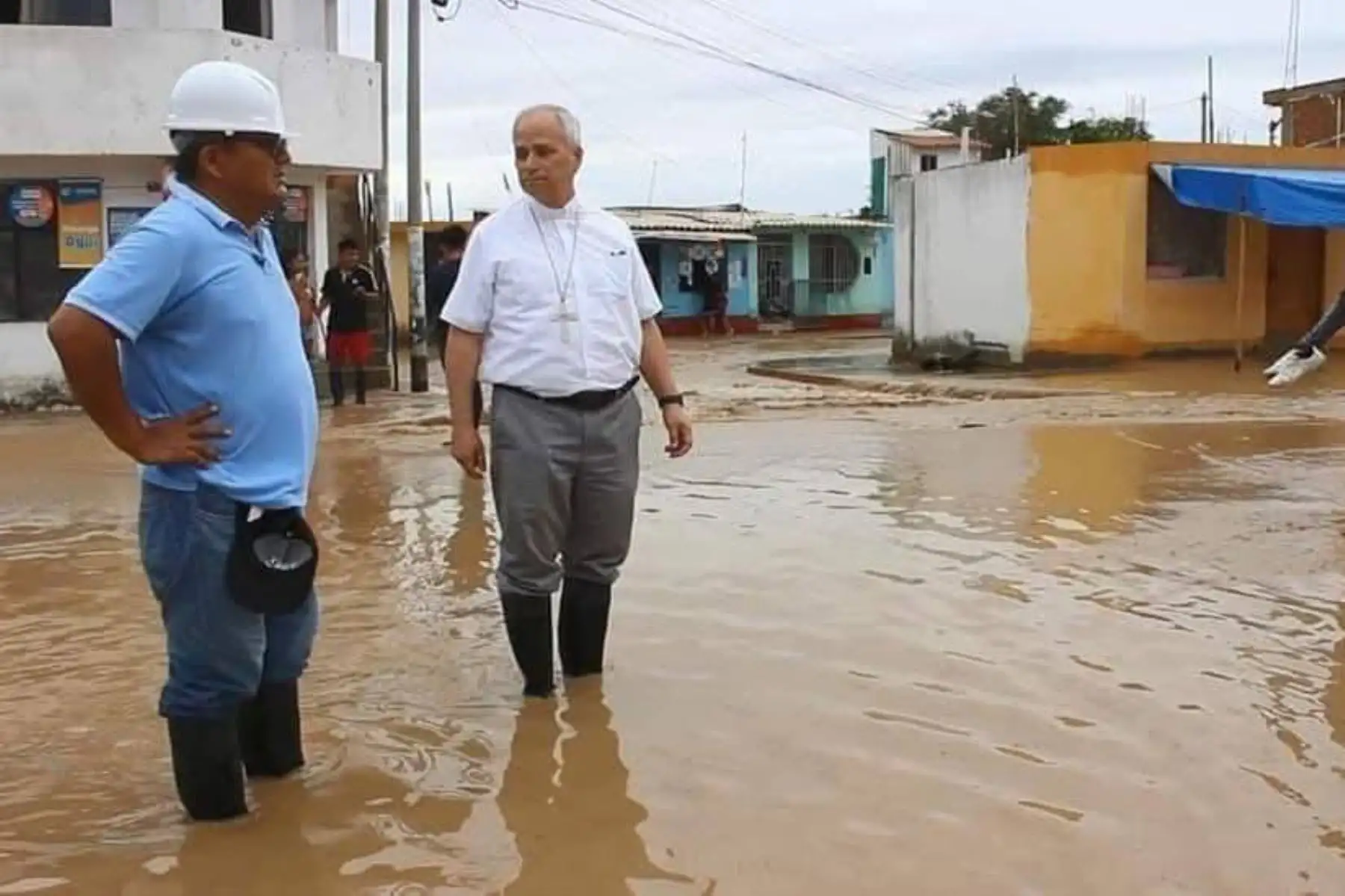
Bishop Prevost’s personal presence and encouraging message in the areas hardest hit by torrential rains and overflowing rivers remain forever etched in the memories of families—many of whom saw their modest homes flooded and lost all their belongings to the rising waters.
Three years later, a new and deadly global threat—the COVID-19 pandemic—once again highlighted Bishop Robert Prevost’s leadership and commitment to the people of Lambayeque, forging an unbreakable bond of affection between him and the community.
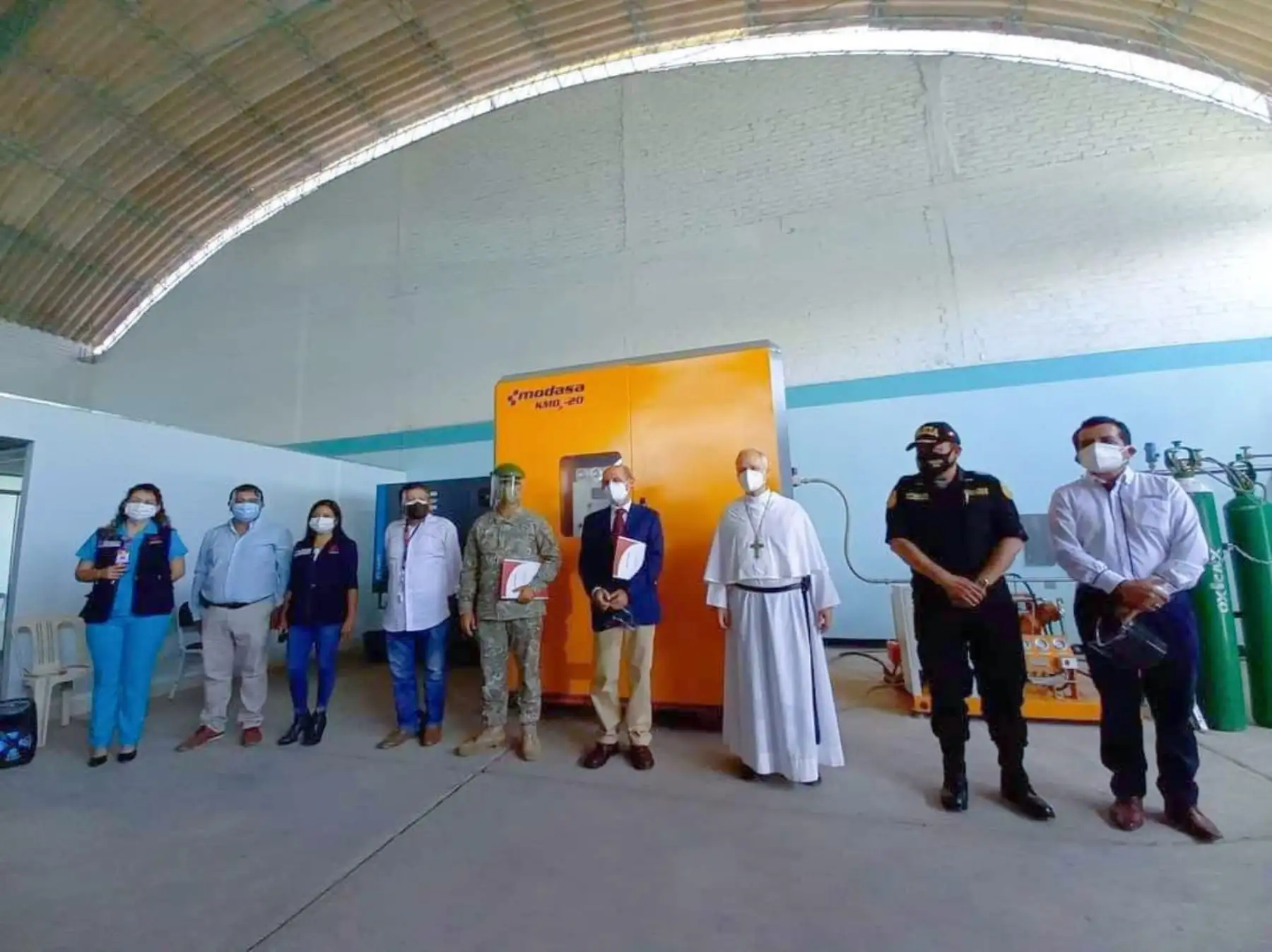
Alongside his ecclesiastical work—visiting various urban and rural areas within his diocese to bring blessings and messages of faith and hope—Bishop Prevost demonstrated his profound sensitivity and empathy for the thousands who were ill. He spearheaded initiatives to raise funds and secure corporate donations for the construction and equipping of oxygen plants that provided free access to oxygen, ultimately helping to save many lives.
In March 2023, the forces of nature once again struck northern Peru; this time, Cyclone Yaku devastated many communities along the coast of the Lambayeque region.
Faced with this dire situation, Bishop Robert Prevost responded immediately. In addition to providing spiritual support to those affected—offering them a message of faith, comfort, and hope—he coordinated parish-based efforts across his diocese to deliver humanitarian aid, with a particular focus on the hardest-hit areas.
In April 2023, Monsignor Robert Prevost’s fruitful tenure leading the Diocese of Chiclayo—marked by both his ecclesiastical duties and his commitment to social solidarity—came to an official end. He was called back to the Vatican by Pope Francis to take on a new role as Prefect of the Dicastery for Bishops.
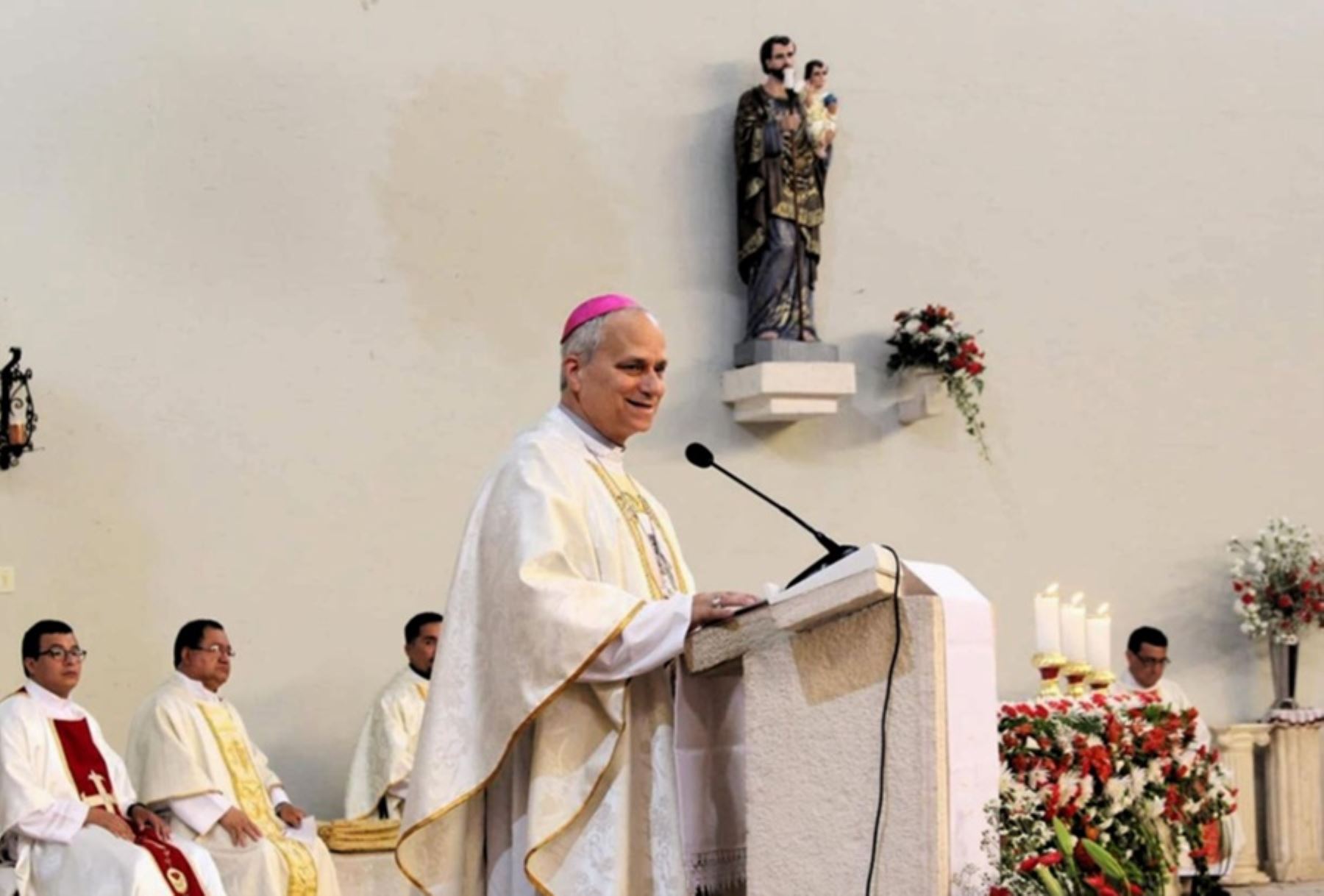
A large-scale Mass at the Cathedral of Chiclayo, coupled with a promise to return one day, served as the conclusion to his eight-year continuous presence at the helm of the diocese—a community whose parishioners held him in deep affection, making him feel, in every sense, like one of their own.
Following the passing of Pope Francis and the subsequent conclave held at the Vatican to elect his successor, Cardinal Robert Francis Prevost Martínez was elected Supreme Pontiff on May 8, 2025—the 267th successor to Saint Peter—taking the name Leo XIV.
In his first appearance before the world as His Holiness, Pope Leo XIV delivered an emotional message in Spanish to his beloved Diocese of Chiclayo, fondly recalling the time he spent in that region of northern Peru.
“And if I may, I would also like to send a greeting to everyone—in particular, to my dear Diocese of Chiclayo, in Peru—where a faithful people have walked alongside their bishop, shared their faith, and given so much to remain a faithful Church of Jesus Christ,” he expressed from the balcony of St. Peter’s Basilica.
These words underscored the profound affection Pope Leo XIV holds for the parishioners of the diocese he led for eight years, as well as for the people of Lambayeque and Peru as a whole.
This bond will be on display once again, a year and a half later, during the highly anticipated reunion between Bishop Roberto—now the leader of the global Catholic Church—and his cherished diocese, which awaits his return to make him feel, once again, as if he were among family.
Another significant connection between the bishop and the region of Chiclayo and Lambayeque was forged through its local cuisine—some of the most delicious and varied in all of Peru.
Iconic dishes such as "seco de cabrito con frejoles" (goat stew with beans), "arroz con pato" (rice with duck), "tamalito verde" (green tamale), and "causa ferreñafana"—to name a few—captivated the palate of Monsignor Robert Prevost, serving as a conduit for the warmth and cultural identity of the people of Lambayeque.
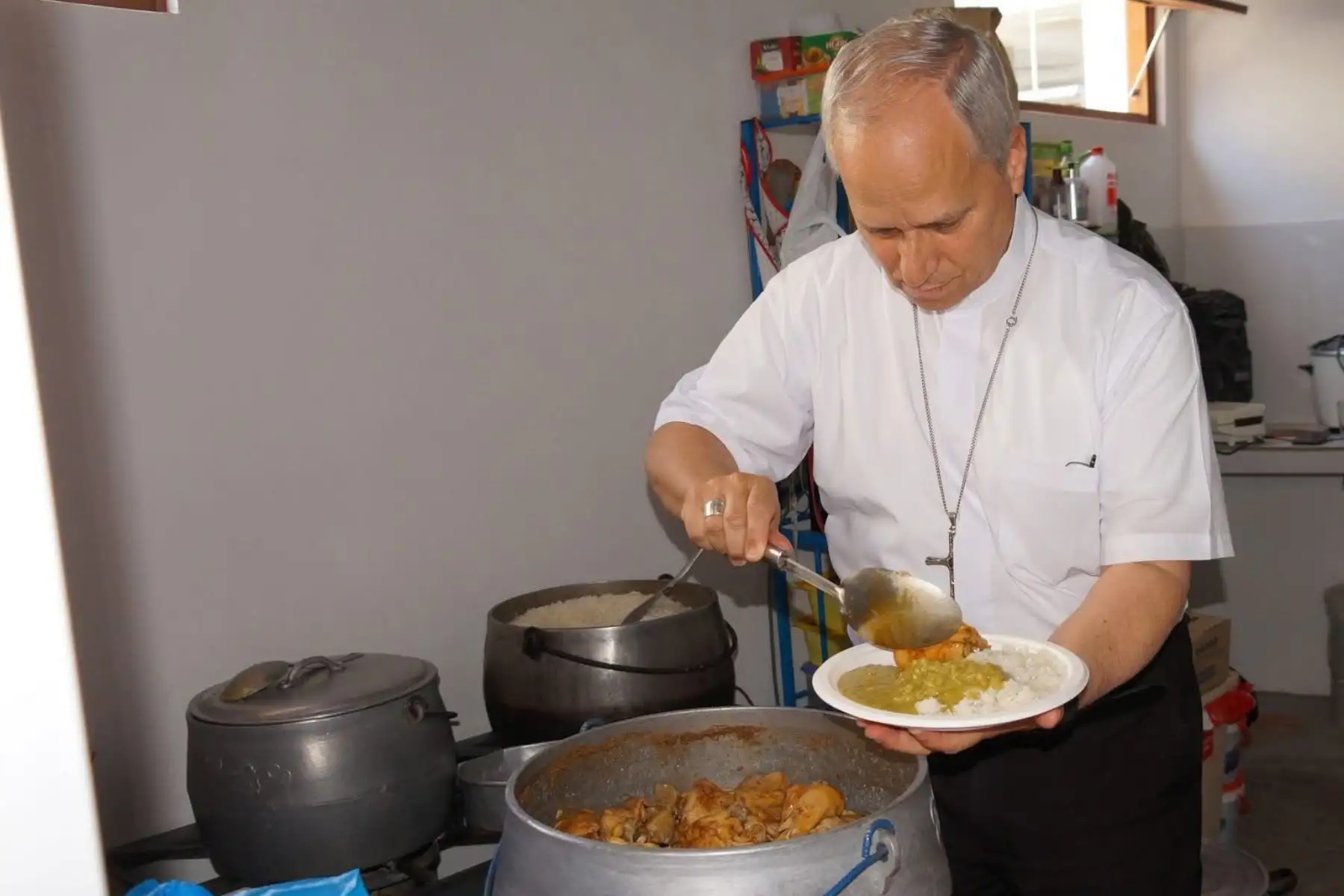
The long-awaited return to Chiclayo—a city whose population feels a deep, personal connection to the Vicar of Christ—offers an opportunity not only to revisit the local delicacies that once delighted his palate, but also to see firsthand the growing collection of gifts that the faithful have lovingly prepared and wish to present to him.
In recognition of the deep emotional, religious, and symbolic bond shared with Pope Leo XIV, the authorities of Chiclayo decided to rename the city "City of Pope Leo XIV."
This name is now displayed in large letters in the center of the main square (Plaza de Armas) and at other key locations throughout this hospitable city on the northern coast of Peru.
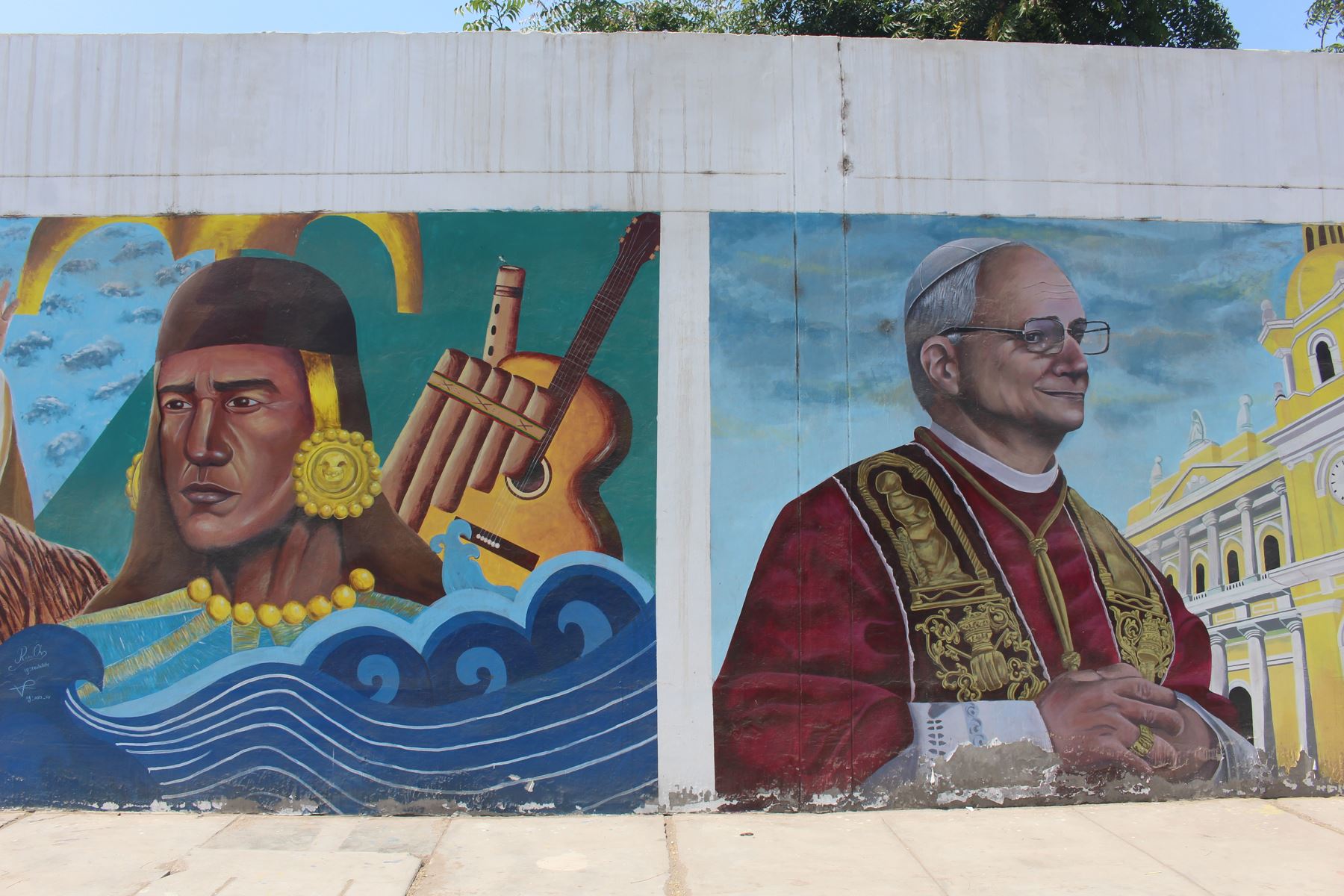
Furthermore, the image of Pope Leo XIV appears in murals, statues, and posters displayed on streets, in homes, and at public and private establishments, as well as on various keepsakes crafted by local artisans.
The profound spiritual and religious connection that the people of Chiclayo feel toward Pope Leo XIV is also reflected in the "Route of Leo" (Ruta de León). This initiative promotes religious and cultural tourism across the regions included in the itinerary—such as Lambayeque—and is drawing increasing interest from both domestic and international visitors.
Departure for Rome and his selection as Supreme Pontiff
Before departing for the Vatican in 2023, having been summoned by Pope Francis, Robert Prevost recorded a brief video to bid farewell to the Peruvian faithful.
"It is an honor to be close to Pope Francis, to support him, and, at the same time, to take very seriously the mission of identifying strong candidates for the episcopal ministry—as well as supporting bishops in their various missions and continuing our journey together, fostering a synodal spirit in every aspect of my new role," he stated.
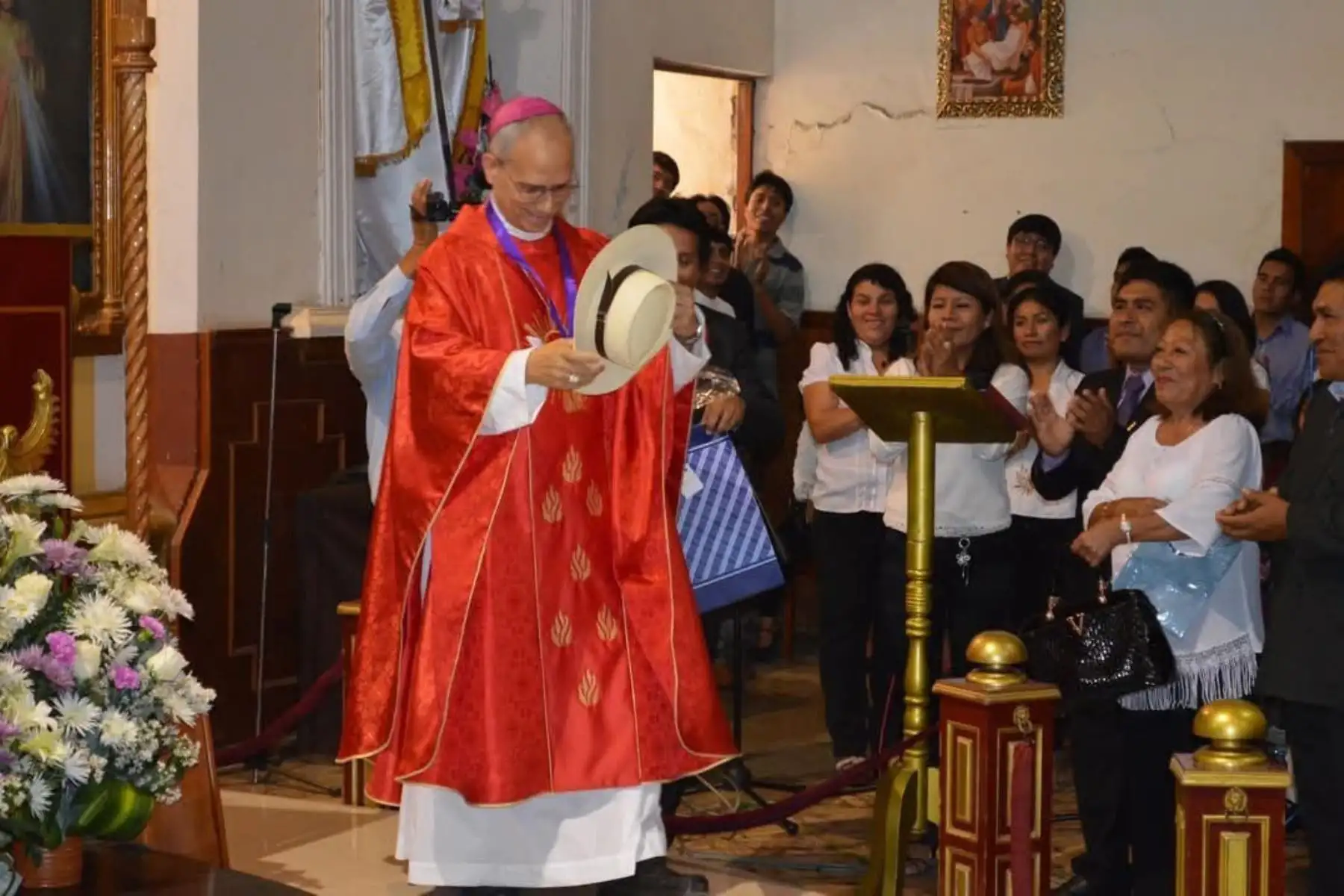
He expressed his gratitude to his fellow bishops, noting that he had worked alongside them for eight years. He also recalled that he first arrived in Peru as a missionary nearly 40 years ago.
“I worked in Chulucanas, then in Trujillo, and now—after eight years—in Chiclayo. I thank God for so much that the Peruvian people have shared with me; we have walked together and celebrated our faith. They have taught me a great deal, and as a pastor, I can only thank God for allowing me to serve here for so many years,” he said, visibly moved.
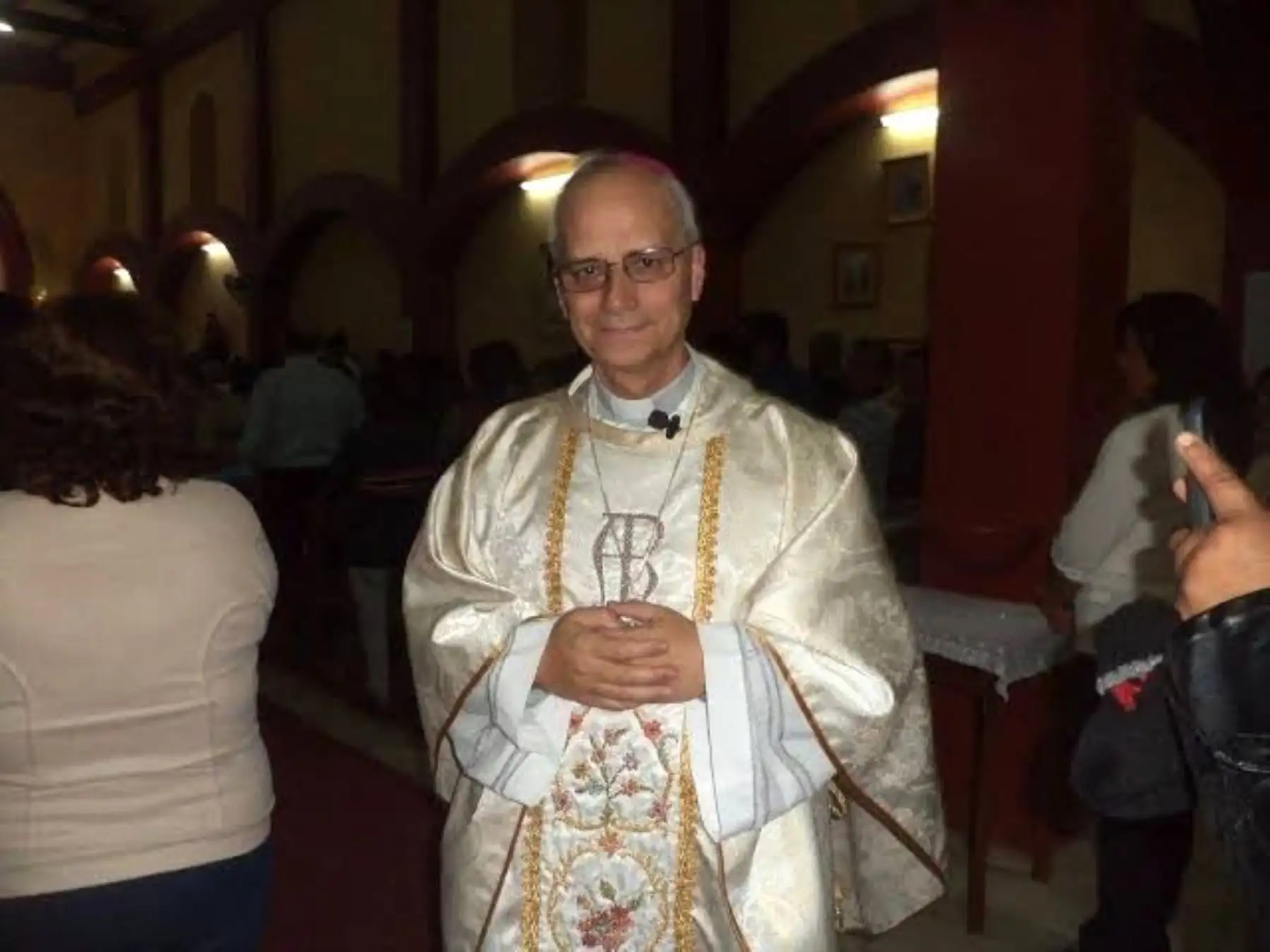
He concluded his message by expressing his trust that God will assist him in the new mission he has been entrusted with at the Vatican.
“May God help me in this new mission, and I invoke God’s blessing upon you all,” concluded the American-born priest—who became a naturalized Peruvian citizen in 2015 and, as of May 8, 2025, has become the 267th successor of Saint Peter and Vicar of Christ. He is the first Supreme Pontiff of Peruvian nationality, as well as the first to belong to the Order of Saint Augustine.
The leader of the Catholic Church speaks English, Spanish, Portuguese, French, Italian, and Latin.
More from Andina:
(END) LZD/MAO / MDV
Published: 11/12/2026