12:45 | Luya (Amazonas region), Jun. 9.
Kuelap once again showcases one of its most iconic sights.
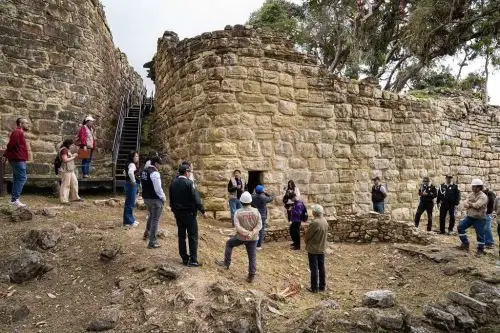
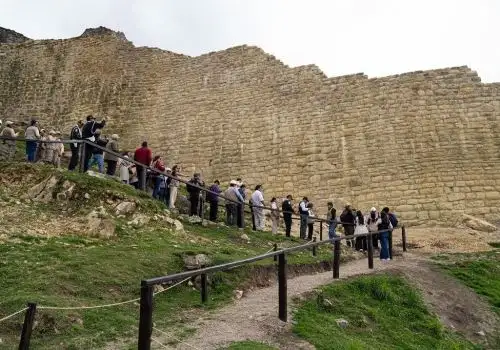
After remaining closed for nearly four years following the collapse that occurred in April 2022, access to the archaeological monument's southern wall was recently reopened and incorporated into its tourist circuit, marking a milestone in the recovery of Amazonas region's main attraction.
The official told Andina News Agency that the circuit's restoration allows visitors to once again experience the "iconic image" traditionally associated with the monument at the start of the tour.
"It was the first thing visitors saw when beginning the tour of Kuelap. Since 2022, this area had been closed; now visitors will once again be able to have that initial contact with the monument," she stated.
The official said the reopening will have a significant impact on regional tourism and help strengthen Kuelap's international image, particularly following the damage caused by the partial collapse of the southern wall four years ago.
Steady tourism growth expected
The DDC Amazonas chief projects that Kuelap will receive between 70,000 and 75,000 visitors this year, although she is confident that figure will be surpassed thanks to the circuit's restoration and the start of the peak tourism season in Amazonas.
Speaking with Andina News Agency, Sanchez said tourist traffic increased by more than 20% during the recent Easter holiday period compared with the same period last year.
"Growth has been steady, and we believe news of the reopening will also have a positive impact on visitor numbers," she said.
Kuelap currently has a daily visitor capacity of 864 people. The full tour can last up to three hours and includes sectors such as Pueblo Alto and Pueblo Bajo.
The reopening coincides with Chachapoyas Tourism Week, one of the region's most important celebrations, which attracts hundreds of domestic and international visitors every year.
Cable cars resume normal operations
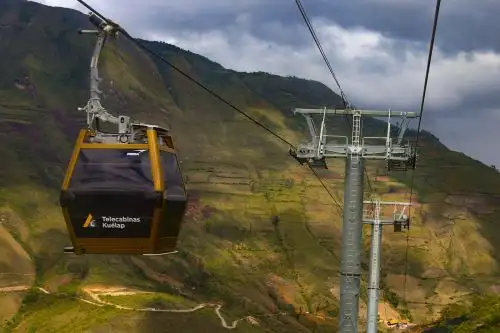
The Culture director explained that the circuit's reopening was coordinated with the completion of annual maintenance on Kuelap's cable car system, a service used by between 90% and 98% of tourists who visit the monument.
"We know the tourism experience includes both a visit to Kuelap and the cable car journey. Both experiences will have a significant impact," she underscored.
Conservation and controlled visits
In response to the expected increase in visitor numbers, Sanchez said social-use protocols are in place to ensure the conservation of the archaeological complex.
The tourist circuit has been delineated to prevent movement beyond authorized routes and reduce risks to the cultural heritage.
In addition, designated areas have been established for tour guides to provide explanations, along with control measures to prevent overcrowding.
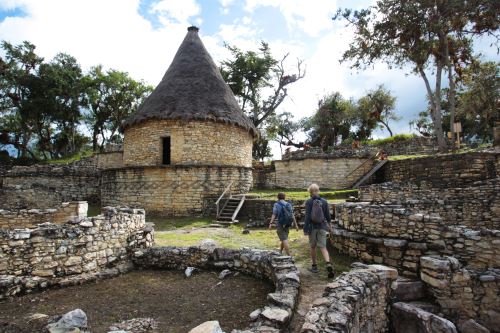
The official explained that guided groups may consist of a maximum of 12 people per guide and have designated areas where explanations can be provided without disrupting the tour.
"What we seek is to maintain an orderly and clean visit that allows visitors to enjoy both the landscape and the monument," she indicated.
Lessons learned from wall collapse
Regarding the recovery work on the southern wall, the director highlighted that one of the main lessons learned was the development of a specialized workforce in heritage conservation and restoration within Amazonas region.
The official said that much of the technical and labor workforce involved in the project comes from communities near Kuelap and has been trained in stone conservation work.
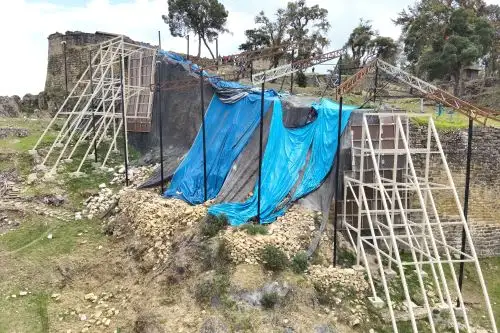
Sanchez highlighted the importance of having comprehensive photogrammetric records of the monument, a technology that made it possible to reposition the original stones in their exact locations during the restoration process.
"We now have the entire monument mapped, and that will be essential for future interventions," she noted.
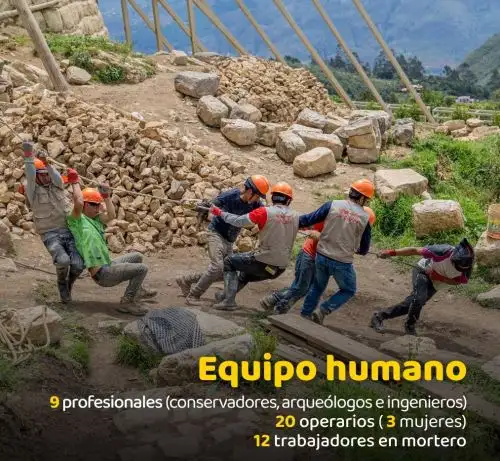
The official added that another challenge identified was the need to improve logistical and budget planning for this type of intervention, particularly given that the work is carried out entirely by hand and depends on weather conditions.
"During the rainy season, it is almost impossible to work at these sites. That is why we now have a better understanding of the time and resources needed for an intervention of this magnitude," Sanchez pointed out.
Lastly, she said the southern wall's recovery represents not only a restoration project, but also a symbol of resilience and renewal for tourism and cultural heritage in Amazonas.
(END) MAO/MVB
Published: 6/9/2026