The Ministry of Transport and Communications (MTC) has deployed machinery and transported 20 bridges to the northern part of the country as part of its preparation and response efforts for potential emergencies that could be triggered by the El Niño phenomenon, announced the head of the ministry, Angelo Tangherlini.
In statements to TVPerú, the Minister of Transport and Communications explained that these measures aim to ensure a rapid response to potential mudslides, landslides, and road blockages, as well as to prevent communities from becoming isolated due to damage to road infrastructure.
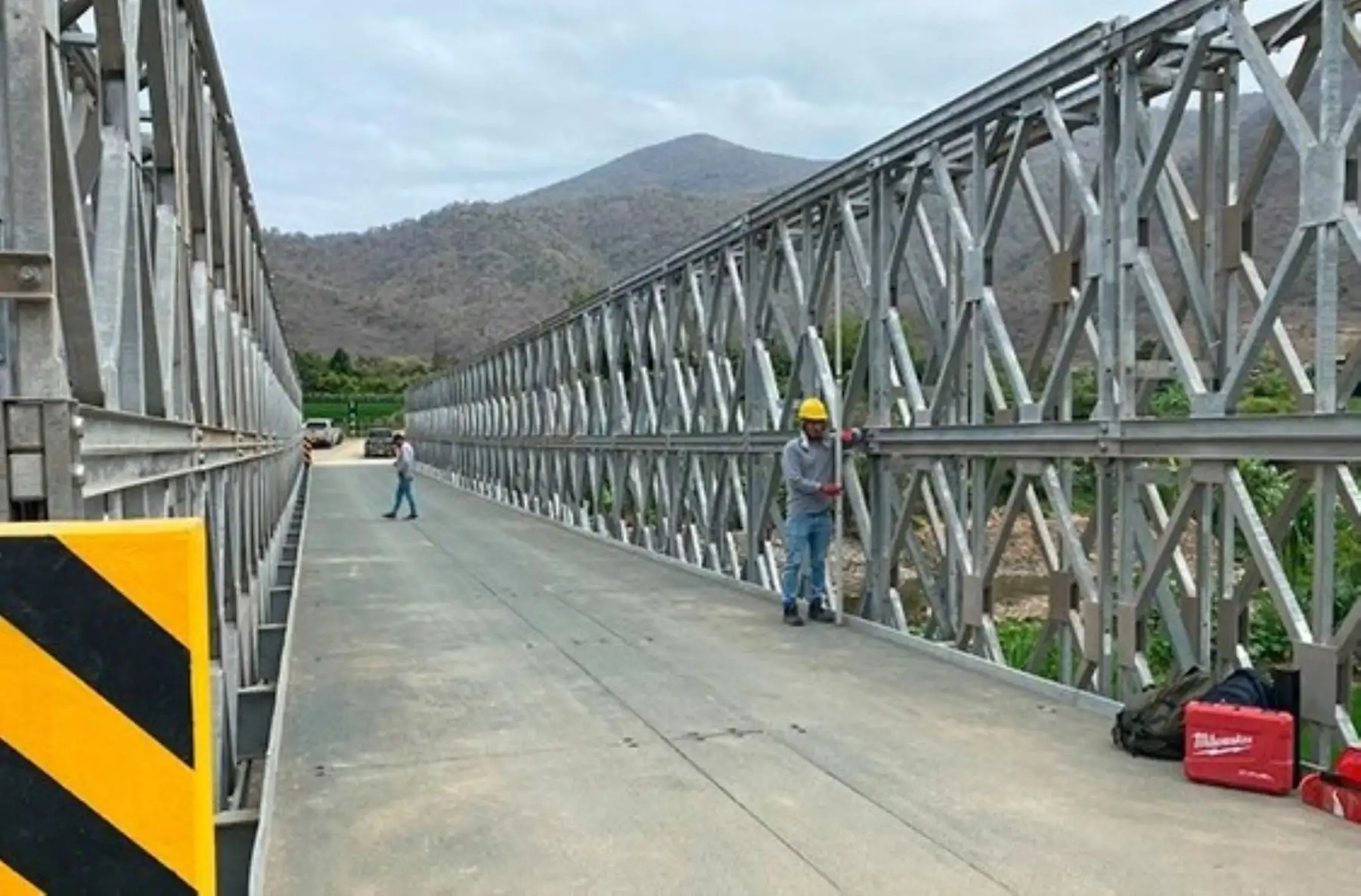
The official noted that the 20 bridges were transported via a humanitarian maritime corridor connecting Callao to Paita (Piura).
These structures will remain available in the northern region, ready to be installed should an emergency affect the accessibility of national roads.
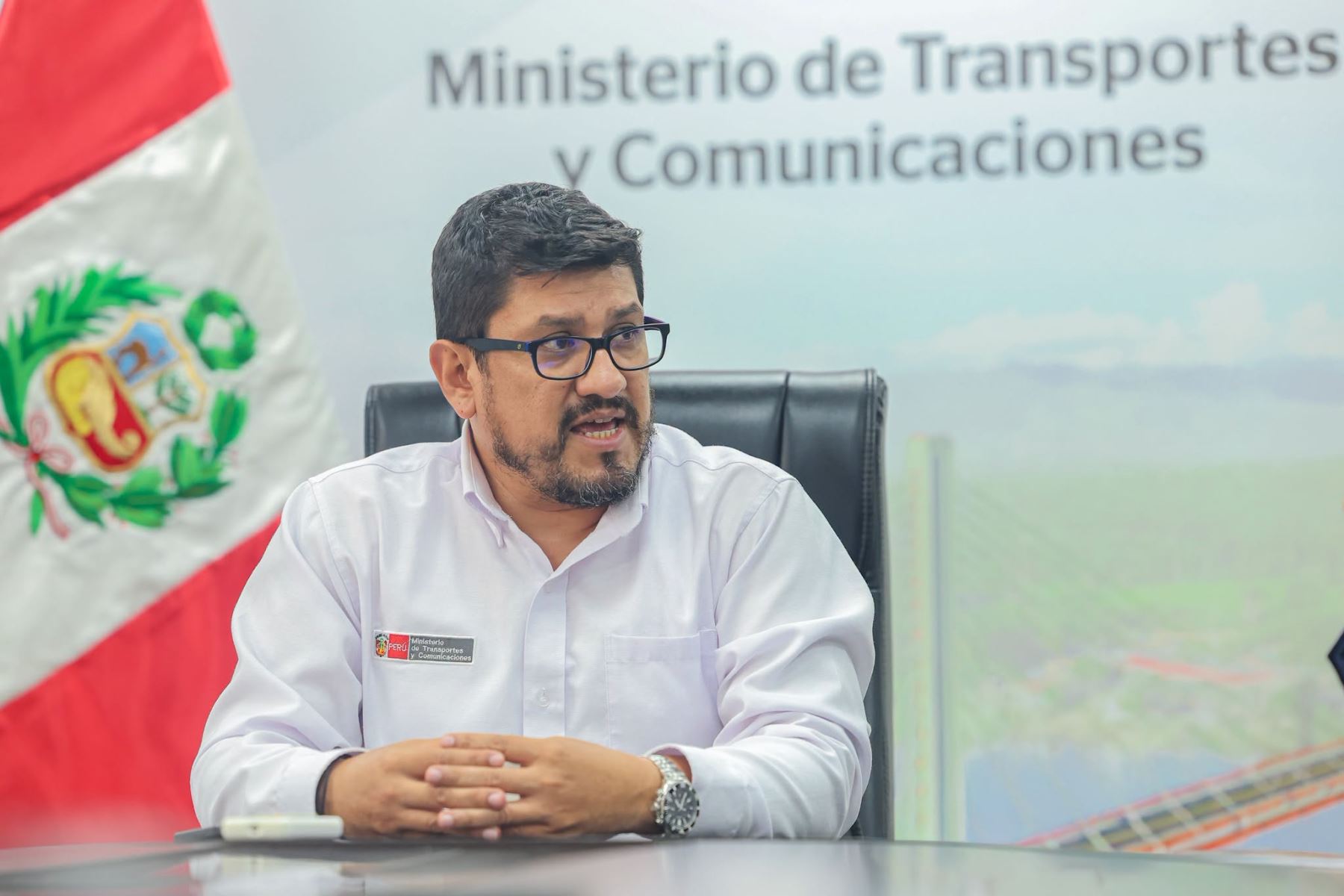
Tangherlini indicated that the MTC is also preparing to activate a humanitarian corridor to the southern part of the country, utilizing the port of Ilo to transport additional bridges. He specified that four structures have already been sent to that area.
He added that, nationwide, the Ministry of Transport and Communications has installed 16 bridges, which helped restore connectivity and prevented the isolation of communities affected by emergencies.
Machinery available in Lambayeque
Regarding preventive measures in Lambayeque—a region assigned to the MTC within the multisectoral task force addressing the El Niño phenomenon—Tangherlini stated that the ministry is coordinating with "Provías Nacional" and "Provías Descentralizado" to keep machinery stationed at locations identified as being at the highest risk. The objective is to intervene rapidly in the event of any traffic disruption on national highways.
The head of the Ministry of Transport and Communications (MTC) also indicated that meetings were held with the concessionaires IIRSA Norte and Covisol—responsible for the operation and maintenance of key roads in that region—to review their contingency plans and verify the availability of equipment and machinery.
One of the priority projects is taking place at the La Leche bridge, with IIRSA Norte tasked to carry out the work. According to the minister, desilting operations began about ten days ago to protect this infrastructure against potential flooding.
Subsequently, "geobags" (geotextile sandbags) will be installed, and minor repairs will be conducted. These actions are part of the preparatory process for the complete replacement of the bridge, which will also be handled by the concessionaire.
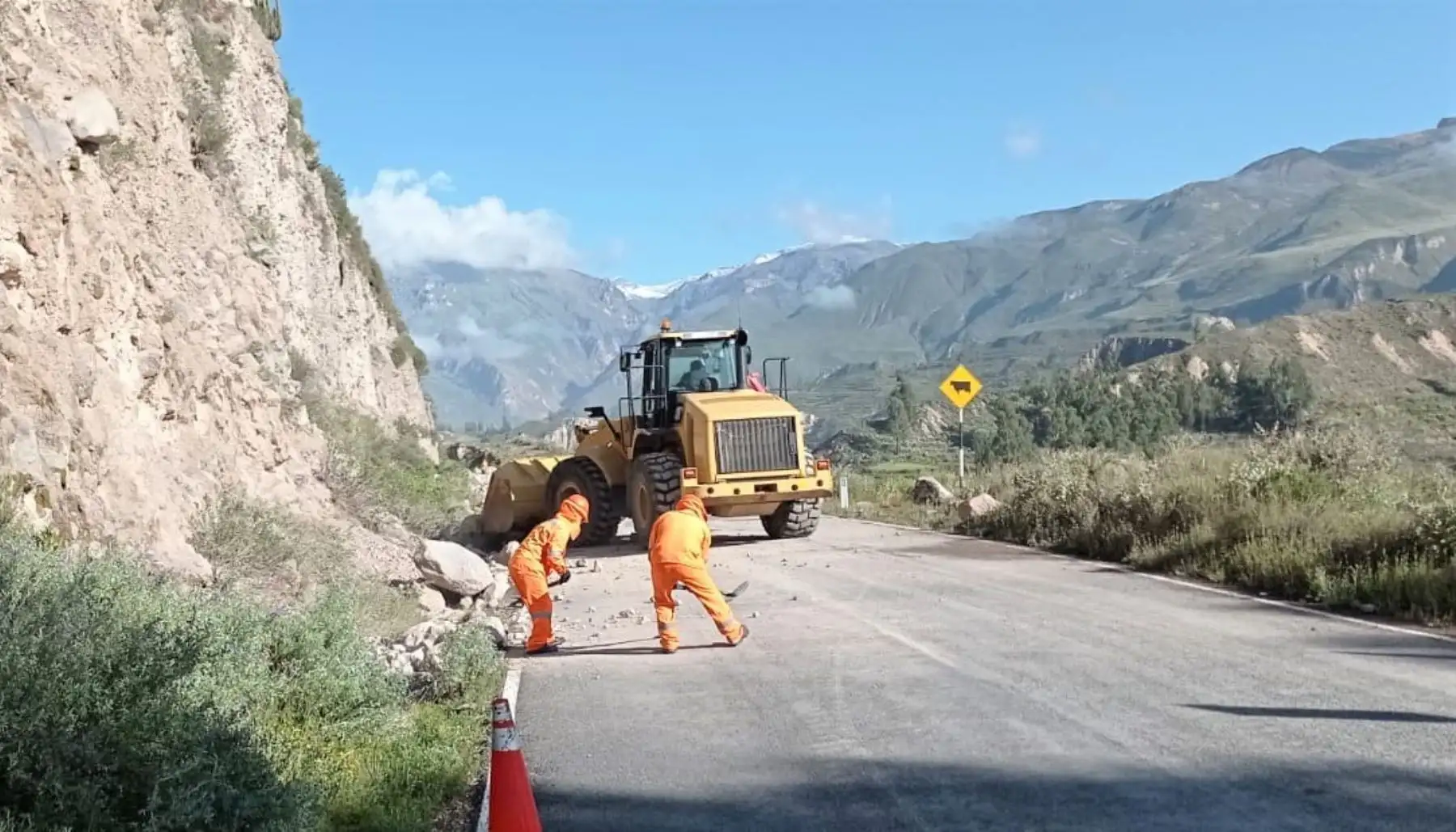
Permanent presence of machinery in Atico–La Planchada
The MTC head also highlighted a strategy of keeping heavy machinery permanently stationed in vulnerable areas—such as the Atico–La Planchada section of the Pan-American Highway South in Arequipa, where landslides have occurred repeatedly.
He explained that, following emergencies that took place over two months ago, machinery was positioned in the La Planchada sector, near the affected roadway, to allow for immediate intervention in the event of further landslides.
This measure, he noted, makes it possible to address landslides and restore the highway within a maximum of three hours.
The minister added that Provías Nacional and Provías Descentralizado have a fleet of machinery strategically distributed across various parts of the country. Furthermore, they have the option to rent additional equipment should the scale of an emergency require a larger-scale intervention.
Another measure involves providing fuel—through Provías Descentralizado—to support the operation of machinery belonging to regional and local governments, which can then be utilized for road recovery efforts. Multisectoral response to the El Niño phenomenon.
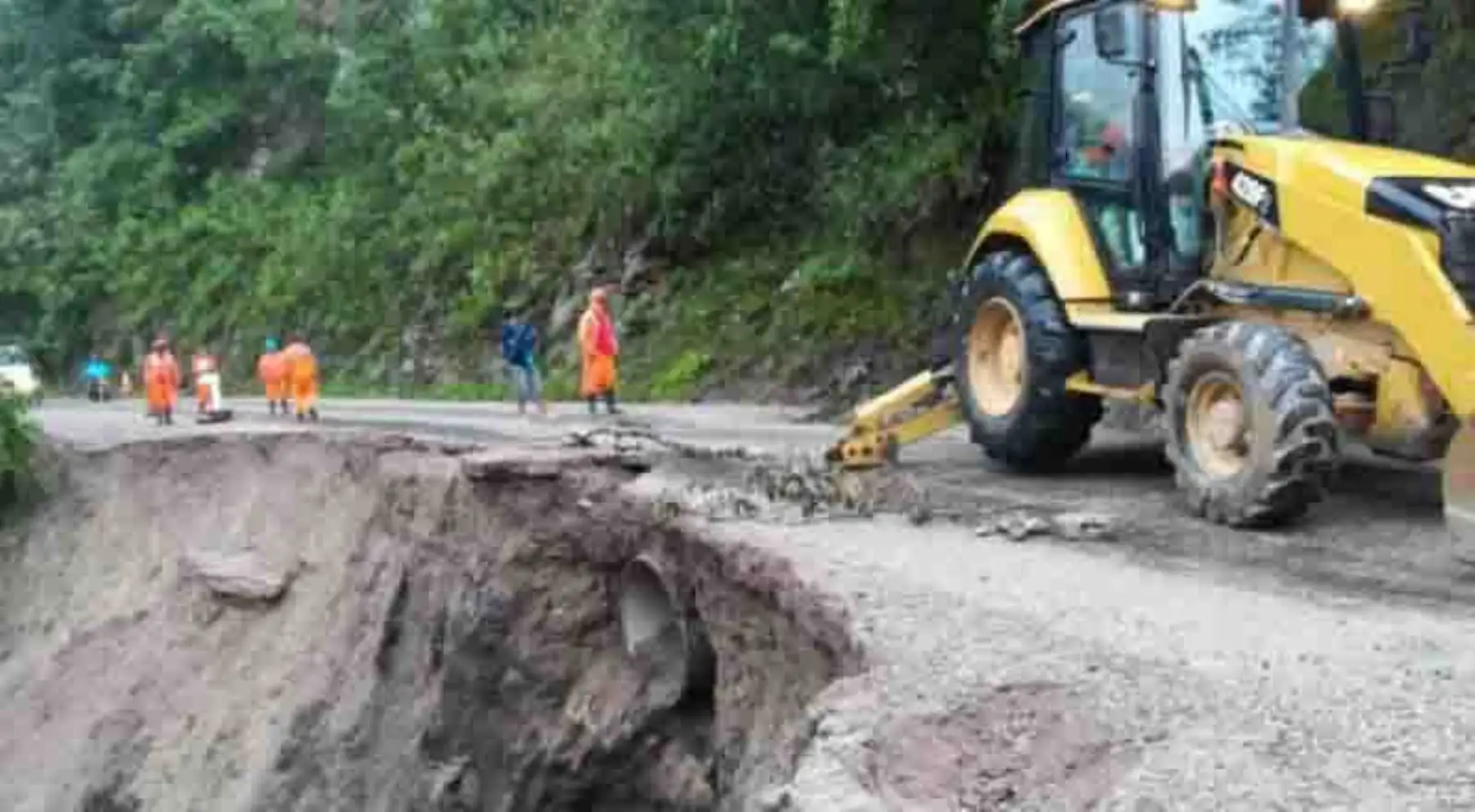
Tangherlini specified that the Ministry of Transport and Communications (MTC) is part of a multisectoral working group tasked with addressing the El Niño phenomenon, which is chaired by the Ministry of Agrarian Development and Irrigation.
This body also includes the participation of the ministries of Housing, Defense, Health, and Economy, as well as technical entities such as the National Water Authority (ANA) and the National Institute of Civil Defense (Indeci).
The minister stated that the strategy involves coordination among the national government, regional governments, municipalities, and the private sector, with the goal of protecting the population and keeping transport infrastructure operational in the face of climate-related emergencies.
Finally, he emphasized that the sector’s priority is to preserve human life, protect homes, and ensure connectivity across the country—especially in regions that could be affected by rains and other events associated with the El Niño phenomenon.
More from Andina:
(END) MAO / MDV