17:51 | Huari (Ancash region), Mar. 27.
The Decentralized Directorate of Culture (DDC) in Ancash reported that heavy rains in the region caused an incident on the Huaraz–Huari Highway, where heavy machinery struck a section of the Chavin de Huantar archaeological monument’s perimeter wall.
According to a statement from the DDC Ancash, issued on Thursday, the incident occurred due to muddy road conditions, which caused the equipment operator to lose control of the vehicle.
Authorities respond immediately
Following the incident, the DDC Ancash acted immediately in coordination with the competent authorities.
It carried out actions to address the emergency and proceed with repairs to the affected section of the perimeter wall.
Culture sector authorities stressed that the swift intervention made it possible to control the situation without major consequences for the heritage site.
Monument suffered no structural damage
The DDC Ancash stated that, despite the impact, "no damage to the structure of the archaeological monument has been recorded," which remains intact.
This site—considered one of the most important in the country due to its historical and cultural value—remains under constant monitoring to ensure its preservation.
Chavin de Huantar is a true engineering marvel.
This administrative and religious center of the Chavin culture, built between 1500 and 3000 BC, features truncated pyramid structures, solidly constructed with large granite blocks and mud mortar.
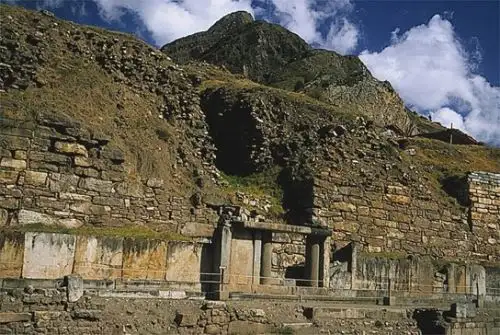
"The Castle"—known as the "Main Temple"—is the masterpiece of ancient Peruvian engineering, with intricate galleries and a carved monolithic stone known as the "Lanzon."
The archaeological site is also distinguished by the Monolithic Lanzon, a 4.54-meter pink granite sculpture depicting an anthropomorphic deity, perhaps the most significant in the temple.
This archaeological jewel forms the core of an intricate network of passageways illuminated by strategically placed beams of light.
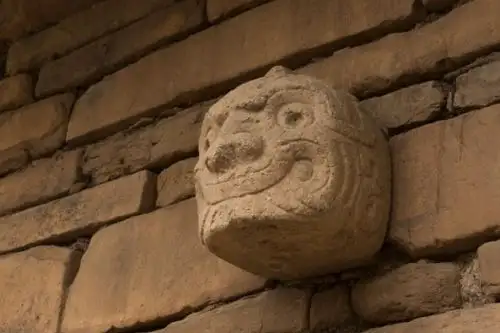
The carved stone heads, sculptural busts believed to represent high priests, stand out as well.
Pedro Cieza de Leon, the first Westerner to write about this monument, opened the door to centuries of fascination and study.
Call to protect heritage
Lastly, the Ministry of Culture reiterated its commitment to protecting and preserving cultural heritage, particularly in the context of weather events that increase risks in archaeological areas.
(END) MAO/MVB
Published: 3/27/2026