In addition to its beautiful Plaza de Armas (main square), visitors are captivated by the Santa Catalina Monastery, which is one of Arequipa's main tourist attractions. Its architectural beauty is breathtaking and it is the finest example of the splendor of viceregal Peru.
The monastery was built to house the daughters of the city's most distinguished families with religious vocations and was inaugurated as a cloistered convent, remaining so until 1970. Santa Catalina occupies an area of approximately 20,000 square meters and its layout is similar to that of Arequipa's original neighborhoods.
The imposing Basilica Cathedral stands out in the Plaza de Armas, considered one of Arequipa's most important 17th-century religious monuments. It was built of sillar, a volcanic stone, and features brick vaults. It was destroyed by fire in 1844 and rebuilt in 1868 by the Arequipa architect Lucas Poblete.
For a panoramic view of the city of Arequipa, its bucolic countryside, and its three guardian volcanoes—Misti, Chachani, and Pichu Picchu—the best option is to visit the viewpoints of Yanahuara, Sachaca, Chilina, La Rinconada, and Patapampa. Entrance to all of them is free.
The Yanahuara viewpoint is located 2 kilometers from the center of Arequipa. Built in the mid-19th century and accessed by climbing a set of steps, its arches, constructed of sillar (volcanic stone), are particularly noteworthy, bearing inscriptions that pay homage to the White City.
A short walk away is the main square, where a beautiful church built in 1750 stands, along with a group of houses also constructed of sillar.
Meanwhile, the Sachaca viewpoint, located in the district of the same name and built on a hill surrounded by vegetation, has a five-story structure that visitors can climb for a panoramic view of the city.
You can also visit the Chilina viewpoint in the Cayma district, next to the Chili River, surrounded by abundant green areas. The viewpoint offers a view of northern Arequipa and the Chilina Ecological Reserve.
Finally, there are the La Rinconada and Patapampa viewpoints. The first of these, La Rinconada, is located in the town of Carmen Alto, just six kilometers from Arequipa's Plaza de Armas, and is ideal for appreciating the lush countryside.
Patapampa is the highest of the viewpoints, at an altitude of 4,500 meters above sea level, and is ideal for appreciating not only the city but also the beauty of snow-capped peaks such as Walka Walka, Ampato, and Sabancaya.
Visiting a traditional market can be an unforgettable tourist experience, and the city of Arequipa offers several of these markets. In addition to their emblematic architecture, which has earned some of them the designation of National Cultural Heritage sites, they offer the opportunity to buy beautiful handicrafts and sample typical dishes that will delight your palate, all at reasonable prices.
Among the iconic traditional markets, you can visit San Camilo Market, the oldest in Arequipa, inaugurated over 140 years ago and located just a few blocks from the Plaza de Armas.
You also can visit the Antiquilla Market, located in the Yanahuara district, with its late 19th-century Neo-Renaissance architectural style and a façade built with sillar stone, which earned it the designation of a National Cultural Heritage monument.
Also noteworthy are the San Antonio Market, located in the Miraflores district, with around 85 stalls selling fruits, vegetables, groceries, and food; and the Fundo El Fierro Artisan Market, near the San Francisco Church in the heart of the historic center, characterized by its colonial arcades and a traditional small plaza.
It houses numerous artisan stalls where you can buy everything from handbags, ponchos, and various souvenirs to typical Arequipa art. Another jewel of religious architecture located on one side of the Plaza de Armas is the Church of La Compañía, a building erected in 1590 that stands out for its white stone walls and the beautiful interplay of reliefs that decorate its Baroque façade.
When visiting, you can appreciate its side façade, less magnificent than the main one, but equally rich in reliefs and details.
Inside, a visit to the Chapel of San Ignacio is a highlight, a beautiful example of Arequipa art, with colorful ornamentation that evokes a tropical scene.
A visit to the White City cannot be complete without visiting the Casona del Moral, an 18th-century property that is one of the oldest and most important Baroque architectural monuments in the city of Arequipa.
The house owes its name to an old mulberry tree that grows in its main courtyard and contains furniture from the colonial and republican periods.
The sillar stone façade is a work of art featuring carefully carved figures. For example, a crown above a shield is held by two angels, while the shield itself depicts a castle, a bird, a puma, and two crossed keys. Also noteworthy is a room with antique maps of the Americas dating back to the 16th century.
To discover one of Arequipa's archaeological treasures, a visit to the Museum of Andean Sanctuaries, a cultural center of the Catholic University of Santa María, is a must. Its main attraction is the Lady of Ampato, better known as the "Juanita Mummy."
This mummy is the body of a teenage girl, 12 or 14 years old, buried during the Inca period. It was discovered on the summit of Mount Ampato by mountaineer Miguel Zarate, archaeologist Jose Chavez, and anthropologist Johan Reinhard on September 8, 1995.
According to specialists, it is very likely that the teenager, whose remains were found frozen on the summit of the aforementioned snow-capped mountain, died from a blow to the temple with a five-pointed granite club, as part of an offering to Apu Ampato some 500 years ago.
Also noteworthy in the city of Arequipa is the Sabandía mill, known as the "Southeastern Gateway to Arequipa." It is located eight kilometers southeast of the historic center of the White City, amidst an idyllic countryside crisscrossed by crystal-clear streams flowing from nearby volcanoes.
Its main tourist attraction is the Sabandía Mill, a colonial monument built in 1785, which for centuries supplied the city with flour. This heritage site has been restored, preserving its white sillar walls, vaults, gargoyles, and balconies.
Another important tourist attraction is the Founder's Mansion, a property located nine kilometers from the city of Arequipa and built of sillar stone on the edge of a cliff. It is one of the most important and traditional mansions in the region. The main entrance consists of a vaulted vestibule, followed by a large main courtyard onto which the windows and doors of the rooms open.
The conqueror and founder of Arequipa, Manuel de Carbajal, commissioned its construction for his son. Later, in 1785, it became the property of Juan Crisóstomo de Goyeneche y Aguerreverre, who remodeled it, giving it the stately characteristics that can be appreciated today.
A visit to the Arequipa region culminates with a tour of the Colca Valley and its iconic canyon. With an estimated depth of 4,160 meters in the Canco sector of the Huambo district, Caylloma province, the Colca Canyon boasts a captivating geography and great biodiversity that attract thousands of visitors each year.
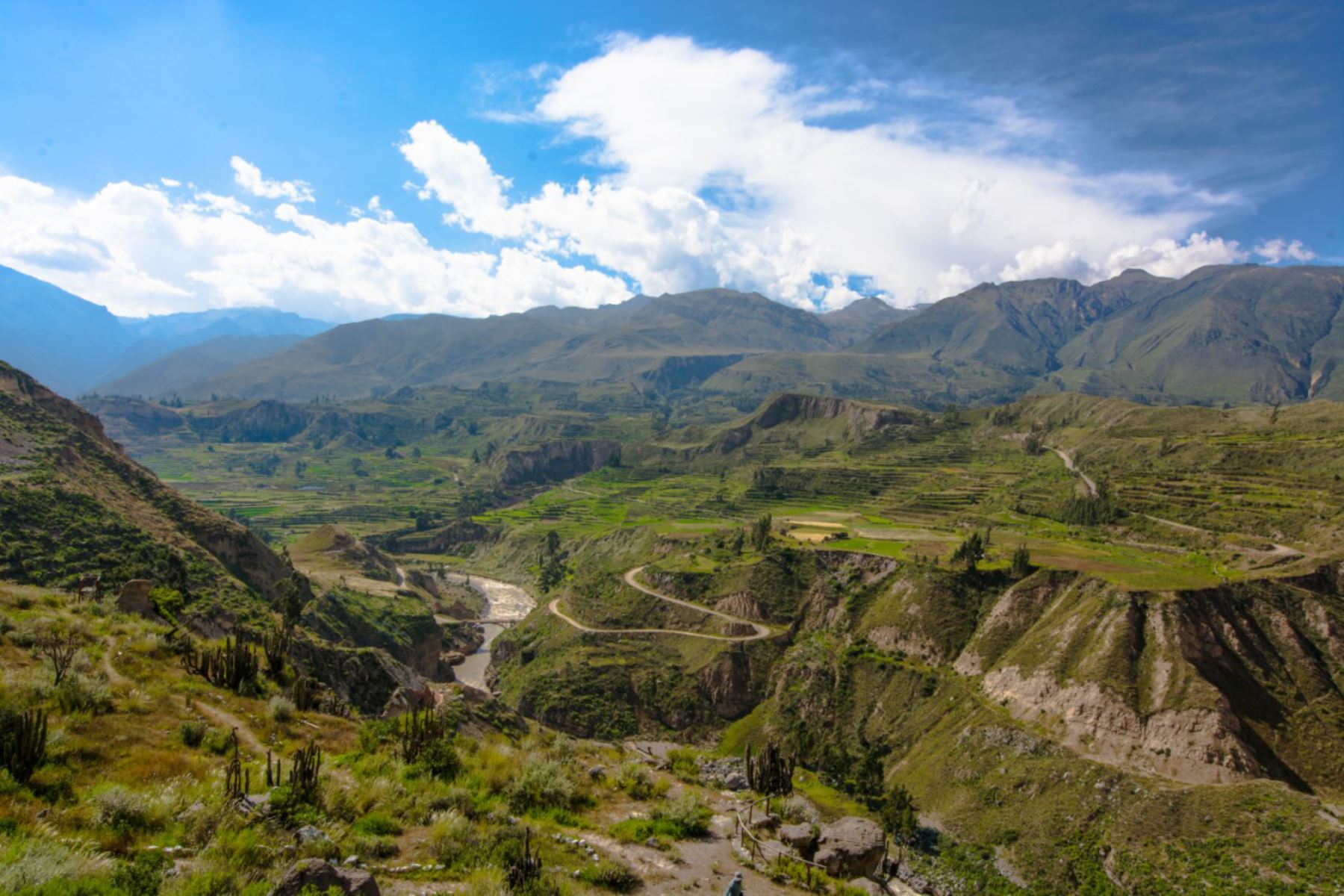
In addition to the unforgettable experience of appreciating the immensity of the landscape, you have the opportunity to witness the majestic flight of condors, the largest birds in the Andes.
Visitors also can experience the rich cultural heritage of the communities living near the Colca Canyon, which preserve their cultural traditions through their language, clothing, gastronomy, diverse handicrafts, ancestral customs, and festivals.
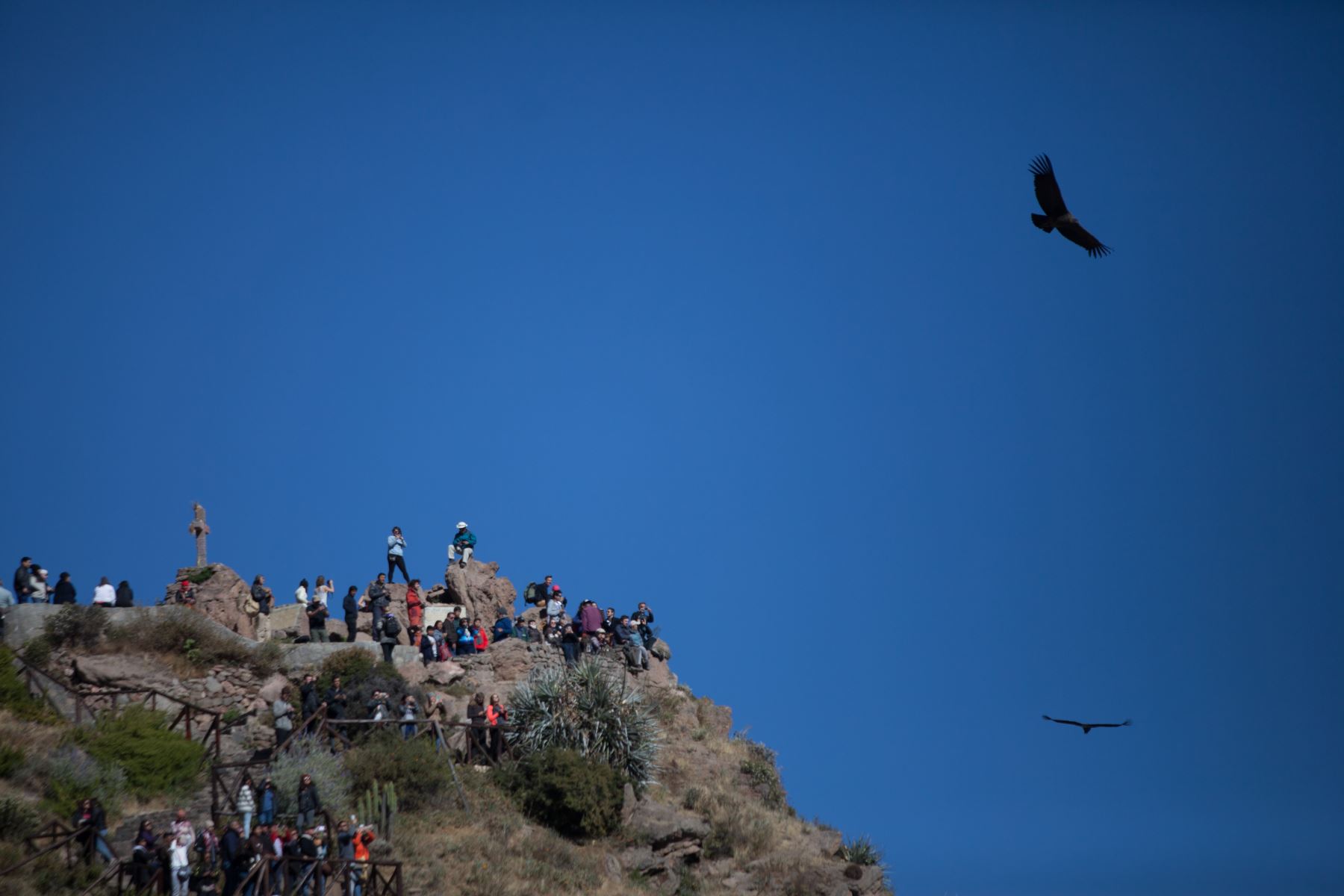
The UNIESCO declared The Colca Canyon and the Andagua volcanoes as a global geopark on April 17, 2019. It was the first global geopark in Peru and the third in South America.
To complete your visit to the Arequipa region, a trip along the Sillar Route, a 2-kilometer stretch of volcanic stone, is essential.
This route is one of the region's greatest attractions. It's an impressive destination where you can appreciate the entire process of extraction and detailed carving of this volcanic rock, whose brilliant white color gives Arequipa the nickname "White City."
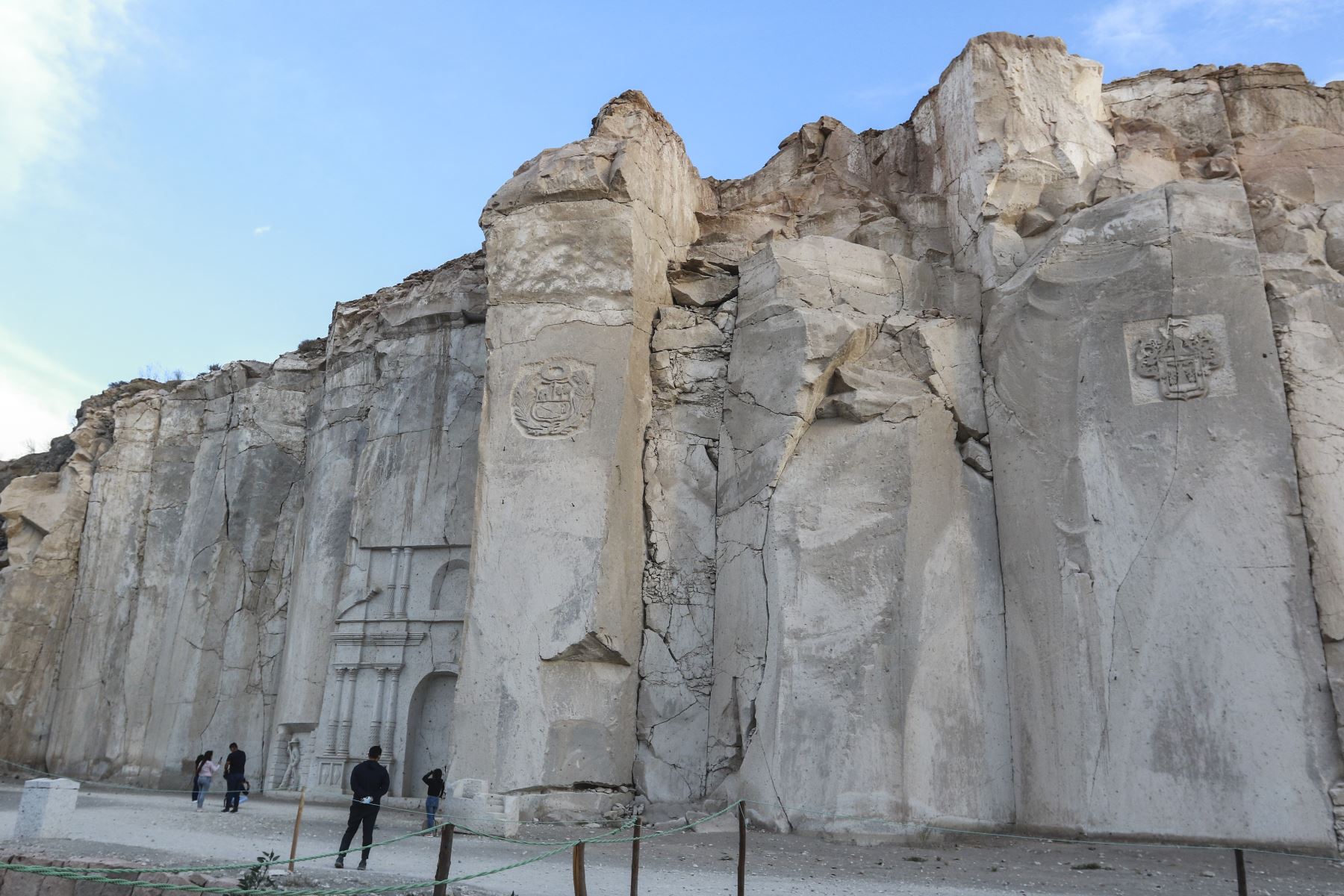
The tour includes visits to magnificent natural landscapes whose geological formation is also due to this marvelous stone. Organized by the Arequipa Center for Research, Education, and Development (CIED), the tour includes visits to the Añashuayco, Cortadores, and Culebrillas quarries, located on the outskirts of the city. The tour involves walks of up to 40 minutes each.
At these sites, visitors will be amazed by the abundance of sculptures, shields, utensils, and many other pieces crafted from sillar. One of the most visited spots is the Sillar Rosado, a canyon that, thanks to the unique combination of sand, rock, sillar and the effects of sunlight, reflects a captivating pink color in its structures.
The tour is complemented by a demonstration of stone cutting and shaping by local sculptors.
To reach the Sillar Route, take a shared taxi from the La Curva bus stop, located across from the Plaza Norte shopping center in Arequipa.
Apurimac
Paragliding in Sóndor, canoeing on the Pachachaca River, hiking through the Pampachiri stone forest, and downhill biking are just some of the activities you can enjoy during your stay in the Apurimac region as the New Year approaches. This region is considered the perfect setting for adventure sports.
And if you're looking to recharge, the Cconoc hot springs and iconic archaeological sites like Saywite and Sóndor offer a unique experience.
Nature lovers can visit the formidable Ampay National Sanctuary, a protected natural area established on July 23, 1987, and located in the district of Tamburco, province of Abancay.
The sanctuary's objective is to ensure the preservation of the intimpa tree (sun tree), unique in its kind. Currently, only 600 hectares of intimpa trees remain, protected from the threat of the indiscriminate logging they suffered in the past.
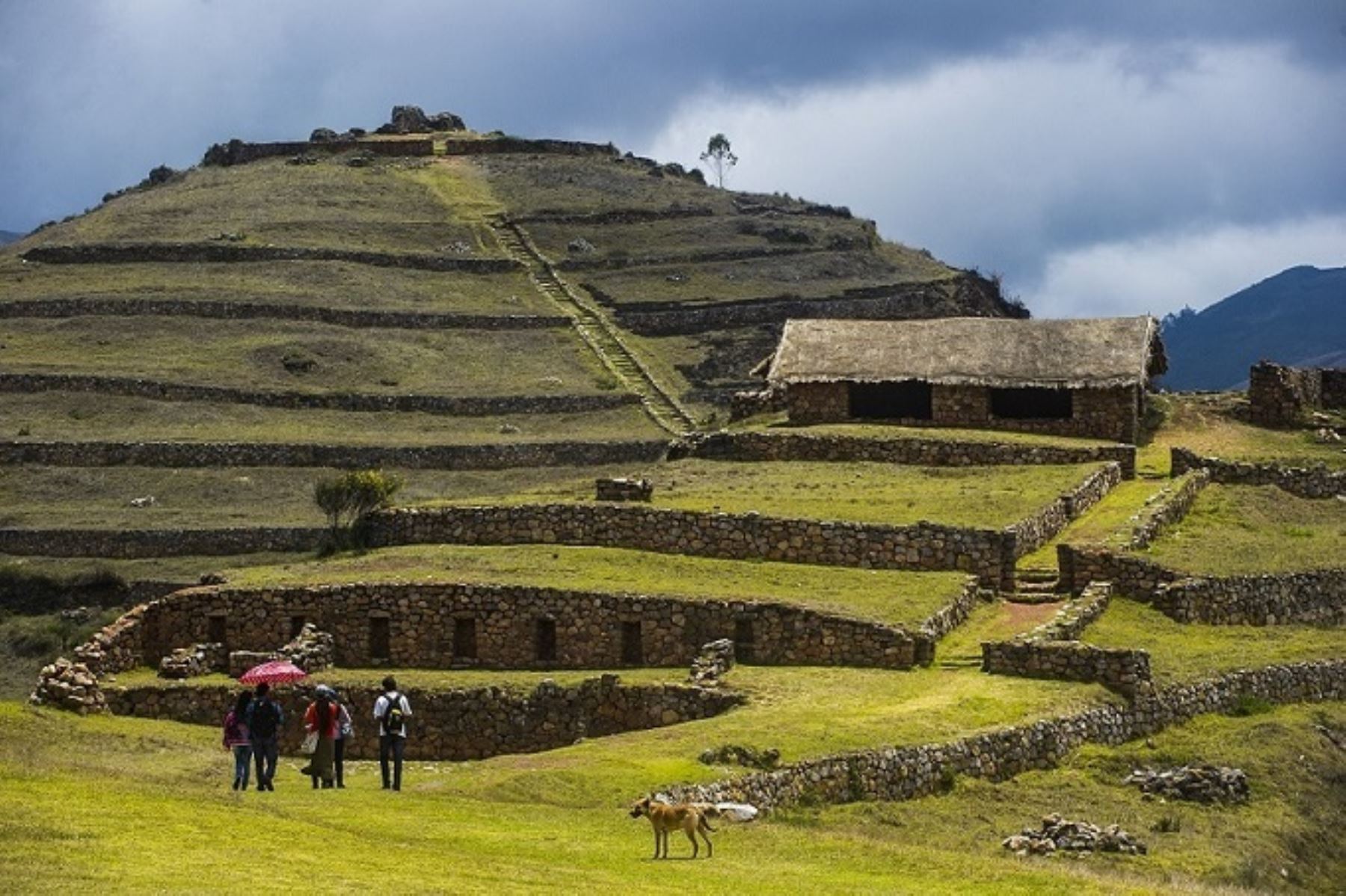
The Sanctuary is home to Angascocha Lagoon, located a 45-minute walk from the entrance to the protected area. The lagoon's surface is ideal for birds to perch, drink, and feed on small fish, and it provides a place for other animals, such as vizcachas, foxes, pumas, and white-tailed deer, to replenish their energy.
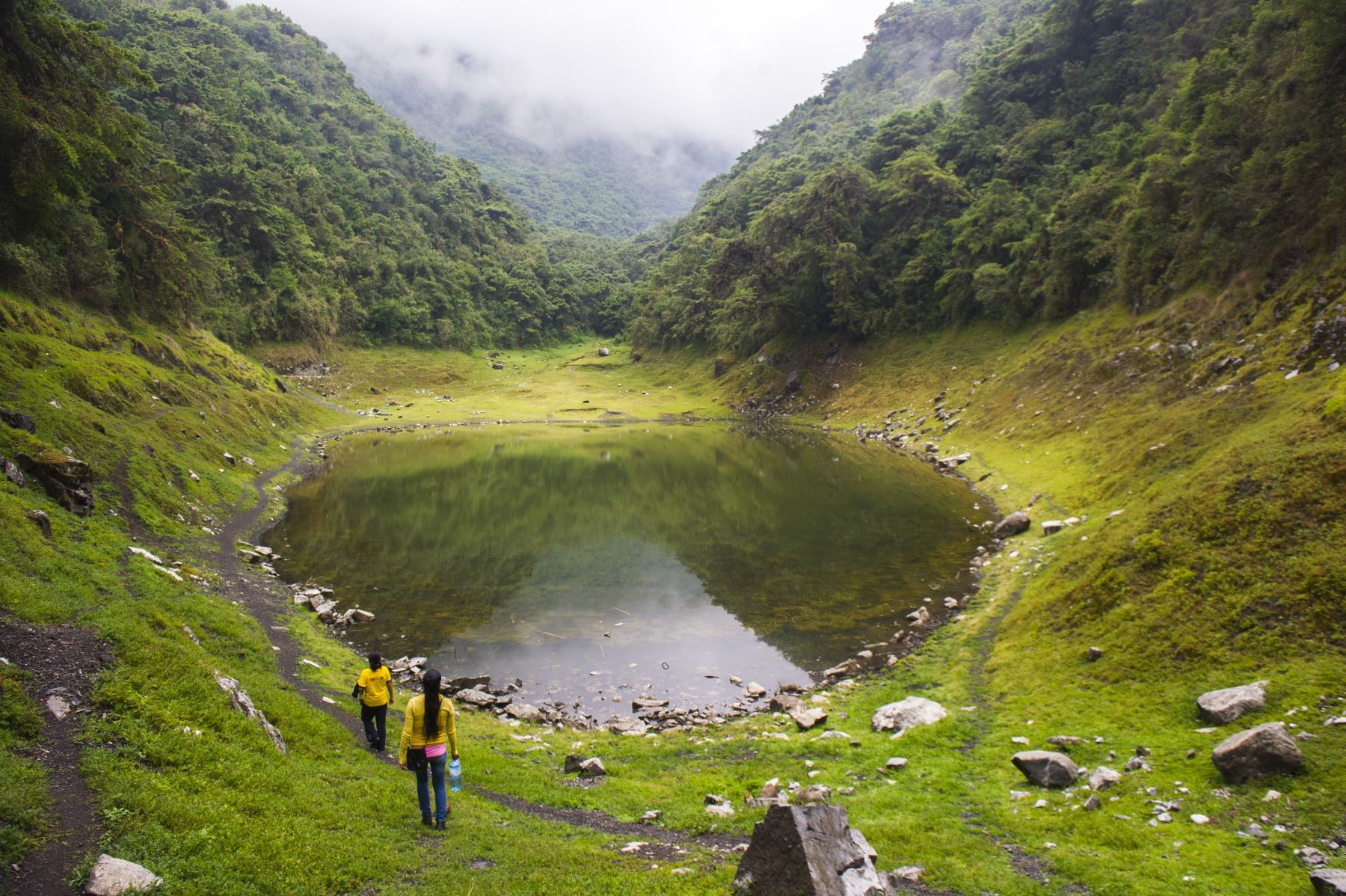
Medical tourism is embodied by the Santo Tomas Hot Springs, one of Abancay's most important tourist attractions, given the properties of its thermal waters for treating various ailments.
Before leaving the city of Abancay, it is important to visit the Pachachaca Bridge, located 16 kilometers from the city over the Pachachaca River.
This stone, lime, and rubble bridge, dating from the colonial era, was built by order of Viceroy Count of Salvatierra in 1654. Its presence contrasts with the beautiful valley that surrounds it.
Due to its historical and cultural value, it was declared a National Cultural Heritage Site in 1974.
Ayacucho
Ayacucho is nature, history, and celebration—more than enough reasons to celebrate the arrival of the New Year. Its capital, Huamanga, invites you to explore its streets, colonial mansions, and churches, such as the cathedral basilica and the Santo Domingo Church.
You can also enjoy its vibrant festivals, full of color and religious syncretism, and discover the skill of its artisans, heirs to an ancestral cultural tradition enriched by time.
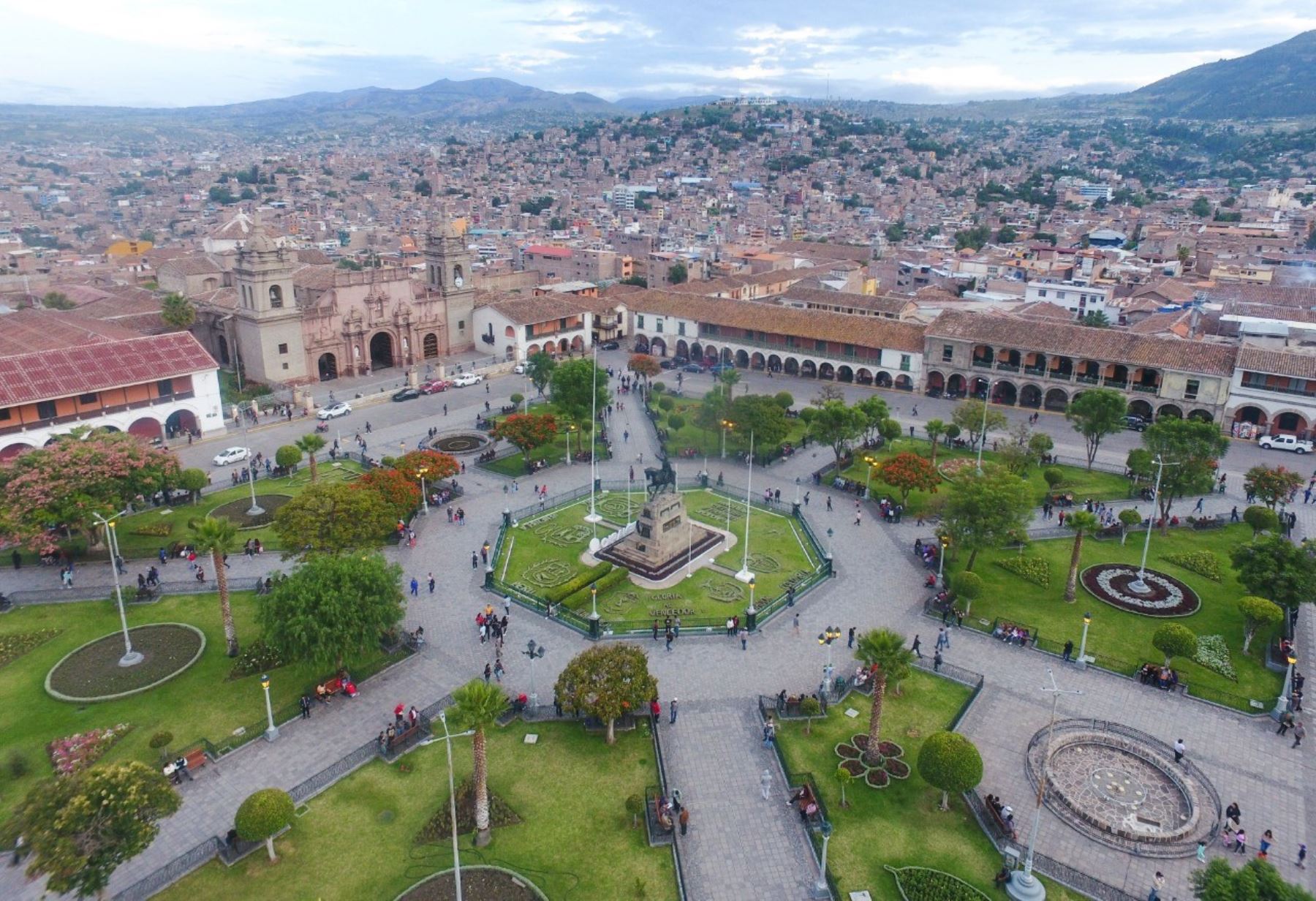
While the province of Huamanga was founded in the 16th century as San Juan de la Frontera, the city of Huamanga was established on January 15, 1825.
Ayacucho's historic center houses a series of historical and religious monuments that constitute its emblematic character as an important city overflowing with culture and aspiring, quite rightly, to be a World Heritage Site.
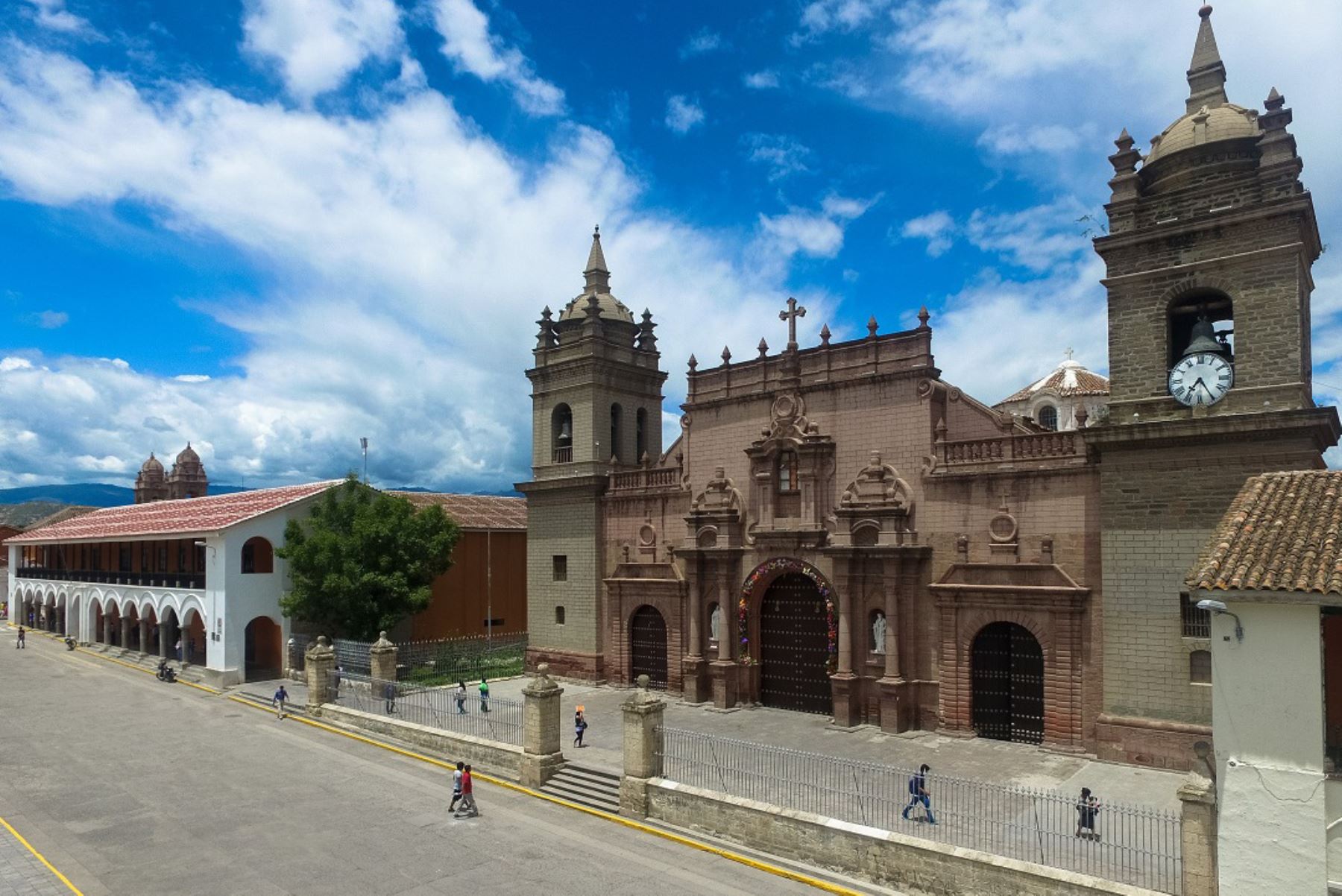
Built in the 17th century and located in the Plaza de Armas of Ayacucho, the Cathedral Basilica boasts ten altarpieces covered in gold leaf and is dedicated to Our Lady of the Snows.
It combines Renaissance and Baroque elements. The sobriety of its façade contrasts with the richness of its interior. There, one finds the famous altarpieces of Our Lady of Socos, the Lord of Burgos, and the Weeping Child, stories featured in Ricardo Palma's Peruvian Traditions.
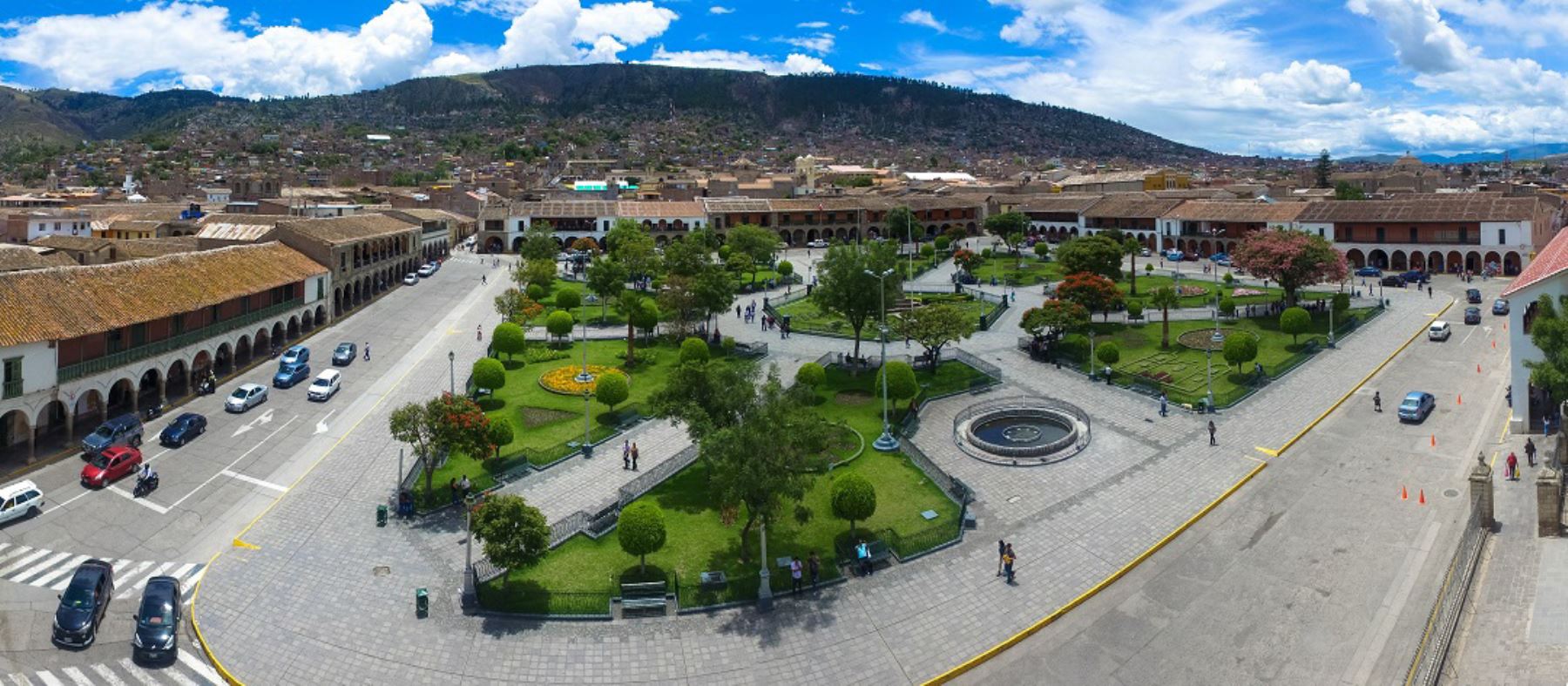
The buildings surrounding the plaza date from the 16th and 17th centuries. They are characterized by stone arcades on the first level, pillars with balusters on the second level, and red clay tile roofs.
Around the perimeter are whitewashed houses or houses with exposed white stone, as well as the headquarters of the Municipality of Ayacucho, the Ayacucho Governor's Office, the Superior Court of Justice, and the National University of Huamanga.
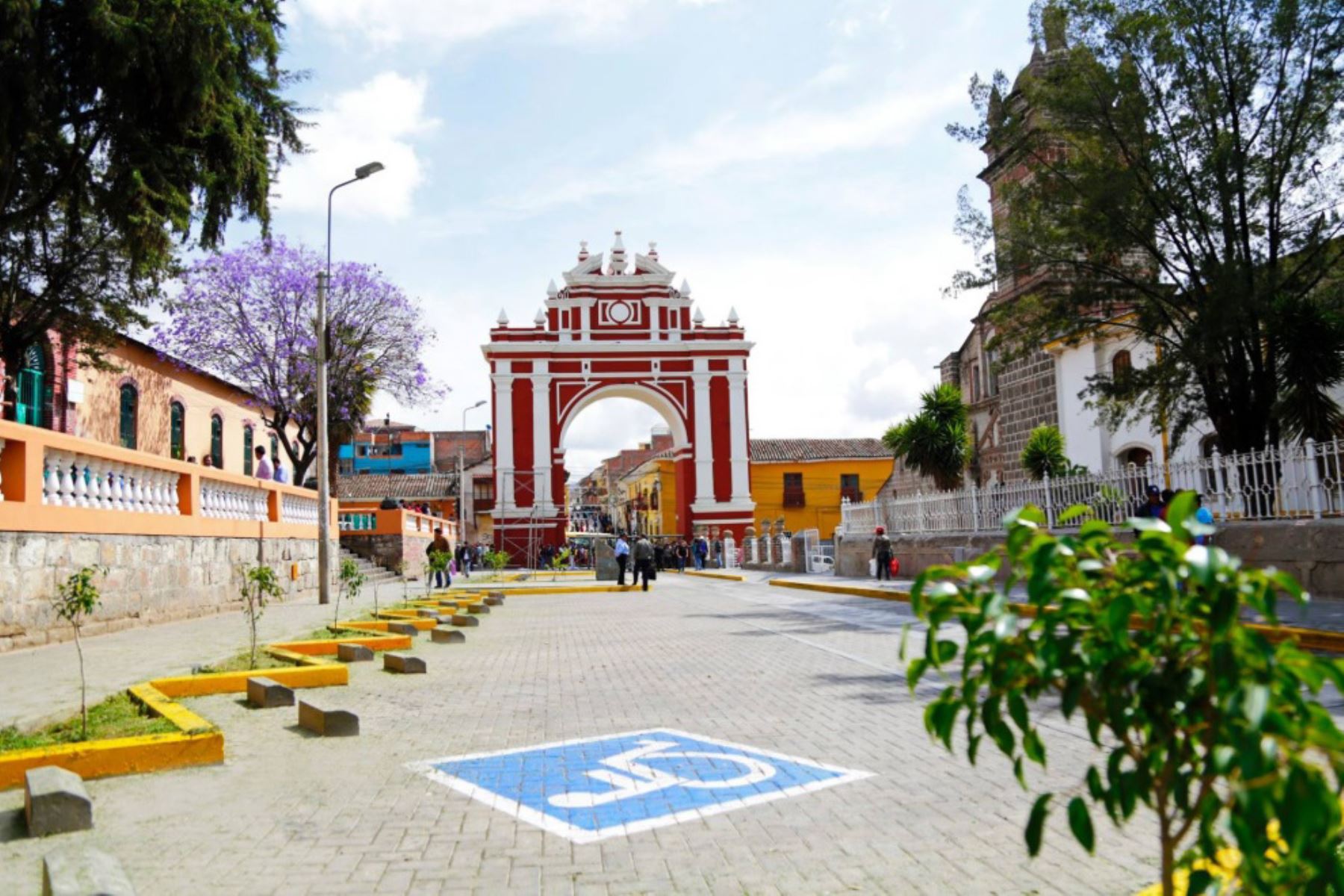
Another must-see attraction is the Arch of Triumph, also known as the Arch of San Francisco, built in 1910 to commemorate the victory in the Battle of May 2, 1866, against the Spanish forces attempting to reconquer their former colonies.
It was later remodeled for the centennial of the Battle of Ayacucho. It is located on the third block of Jirón 28 de Julio.
Also worth visiting is the Casa Castilla y Zamora, the main building of the National University of San Cristobal de Huamanga. It was formerly the Archbishop's Palace, and Bishop Cristobal de Castilla y Zamora donated it to serve as a university cloister. It is located at Portal Municipal 50, Plaza de Armas.
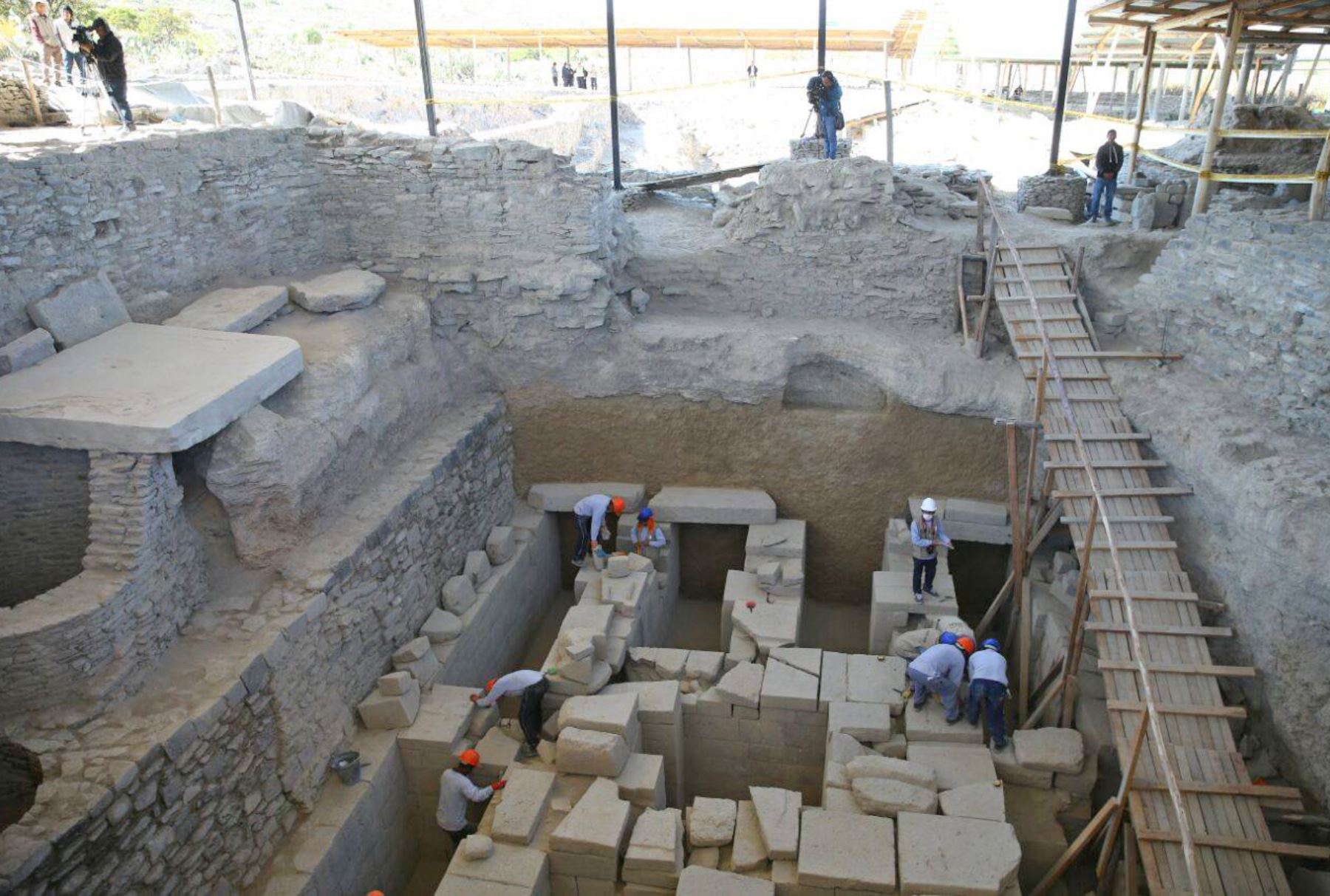
For those who wish to learn about the origins of the settlement of Peru 20,000 years ago, a visit to the Pacaycasa archaeological complex, home to the Piquimachay cave, is a must. There, the oldest lithic artifacts in the country were found associated with the bones of extinct fauna (mastodons, saber-toothed tigers, and camelids).
Also located there are the remains of the great pre-Inca city of Wari, capital of the culture of the same name, which would have housed a population of 55,000 inhabitants. Another archaeological site is Tablapampa, belonging to the pre-Inca Huarpa culture.
A visit to the Ayacucho region wouldn't be complete without seeing the Pampa de la Quinua, within the Historical Sanctuary of the Pampa de Ayacucho, established on July 14, 1980, and the site of the famous Battle of Ayacucho on December 9, 1824, which sealed South America's independence from Spanish colonial rule.
The sanctuary is situated on a high, gently sloping plain at an altitude of 3,350 meters. Due to its privileged geographical location, it is a natural viewpoint from which to observe the landscapes of the Ayacucho countryside.
In Huanta, you can visit the archaeological complexes of Azangaro, Tinyaq, Molinuyoq, Laupay, and Sinuarpampa, where a giant stone in the shape of a condor is located. Because of its warm, temperate climate, Huanta is also known as "The Emerald of the Andes." It is the second most populated city in the region and serves as the main link to the Apurímac, Ene, and Mantaro River Valley (VRAEM).
A visit to the Ayacucho region is enhanced by the Enchanted Condor Route, a new tourist route developed by the Pikimachay Foundation in collaboration with civil society, private companies, and public institutions.
This route offers visitors an unforgettable experience through a journey across vast and magical landscapes, terraces, stone forests, and the breathtaking sight of condors, the world's largest flying birds and the stars of this captivating tourist destination.
The Sondondo Valley, located eight hours from the city of Huamanga, comprises the districts of Cabana, Carmen Salcedo, Chipao, Aucará, Huacaña, and Santa Ana de Huaycahuacho. Here, a system of agricultural terraces and archaeological sites constitute a valuable legacy of the Wari, Chanka, and Inca civilizations that inhabited these and other provinces of the Ayacucho region.
Puno
Visiting Puno to celebrate the arrival of the New Year is to enter a magical atmosphere where legend, traditions, and vibrant festivities are palpable every day. Its stunning floating islands of the Uros, crafted from totora reeds, are second only to the mythical Lake Titicaca.
A people proud of their rich folkloric heritage, which overflows each year in dances and rituals, reaches its peak in the grand festival in honor of the Virgen de la Candelaria, held every February.
Tacna
Tacna is a unique region to joyfully welcome the New Year: deserts and fertile valleys coexist to create unique landscapes. The warm mornings allow you to enjoy its beaches with calm waves, while its thermal baths and lagoons are the perfect places to ensure proper relaxation.
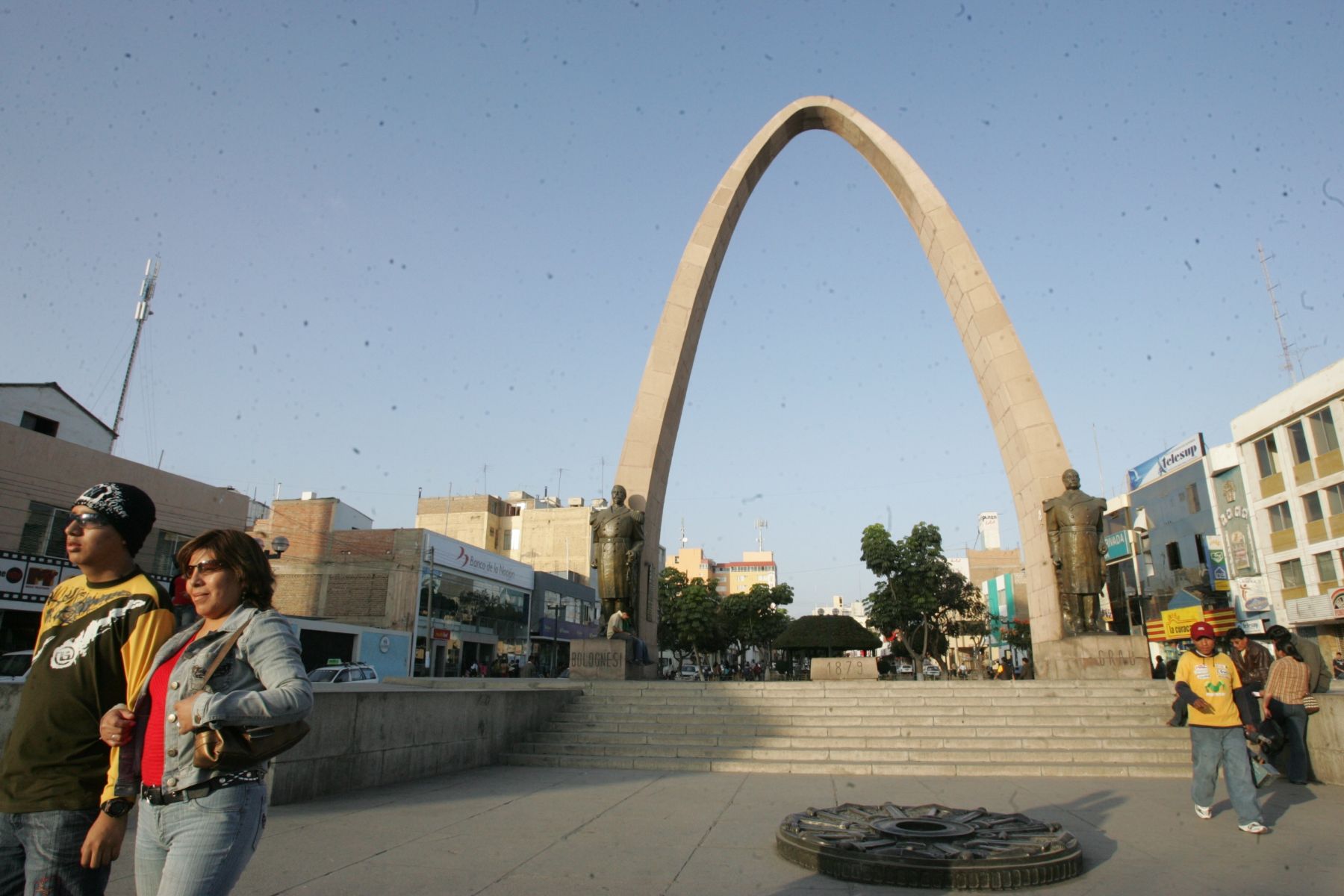
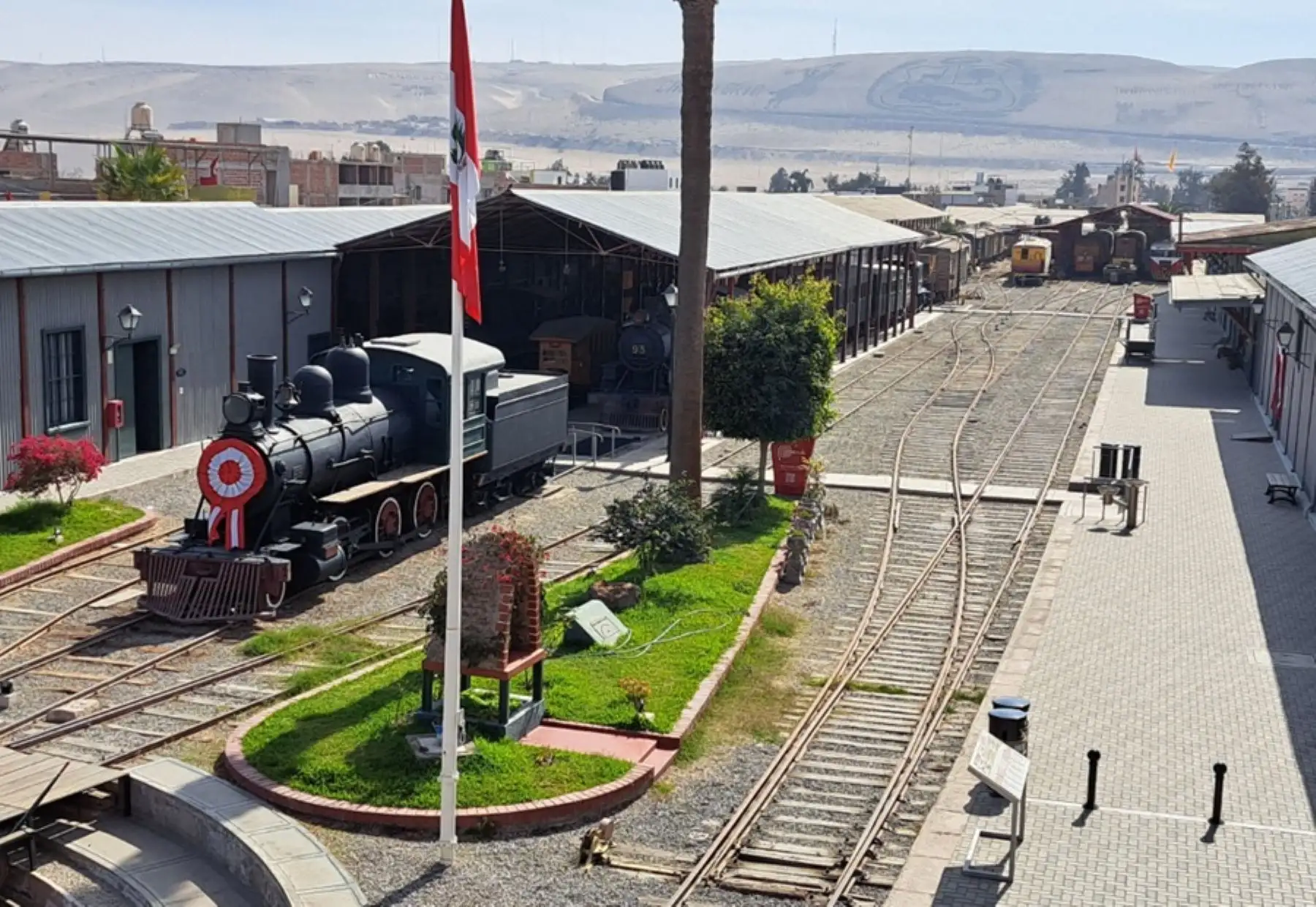
Admire the Parabolic Arch with its images of the heroes Miguel Grau and Francisco Bolognesi, the ornamental fountain, the Cathedral, the Muslim Mosque, the Railway Museum, the Botanical Garden, as well as the districts of Pocollay, Calana, and Pachia.
In the culinary realm, it is essential to sample the spicy Tacna-style stew and its export-quality wines and piscos, produced in wineries that are a must-see and sourced from a stunning valley bathed in sunshine and breezes.
A visit to Tacna is completed by exploring the Miculla archaeological complex and the suspension bridge, which are examples of the extraordinary heritage of the Heroic City.
More at Andina: