18:00 | Urubamba (Cusco region), Mar. 25.
The
National Service for Natural Areas Protected by the State (Sernanp) has
approved the Master Plan for the Historic Sanctuary of Machu Picchu.
The document sets out parameters and objectives for the conservation of this site over the next five years, including its cultural elements, as well as those of the ecosystems present there.
It states that the site "is an exceptional example of harmonious integration between natural and cultural components," due to its location at the confluence of the Amazon and the Andes.
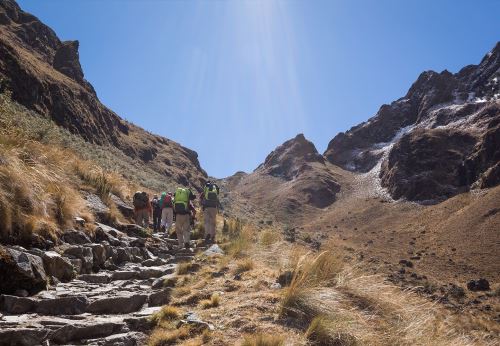
This is reflected in its role as "a refuge for threatened species of fauna and flora valuable for conservation and science," and in being home to the city, or Llaqta, of Machu Picchu.
The latter "represents one of the greatest achievements in urban planning, art, architecture, and territorial planning, and the most significant legacy of the Inca civilization, which integrated this extraordinary work into a natural setting of exceptional beauty."
The conservation of this mixed heritage entails developing management that balances the protection of the Llaqta, the Inca Road Network, archaeological monuments, and the biodiversity of ecosystems connected to the landscape of the Urubamba and Vilcabamba mountain ranges.
This balance underpins the vision set out in the plan.
The document aims to consolidate the guidelines necessary for comprehensive management of the Historic Sanctuary of Machu Picchu, promoting the conservation of cultural heritage and biodiversity for the population's sustainable development.
Its preparation is based on contributions made in various workshops by sectors linked to this historic sanctuary.
Elements to be conserved
The elements this Master Plan aims to conserve are environmental, ecosystem-based, and cultural in nature.
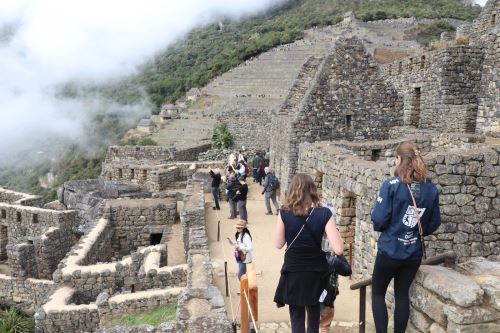
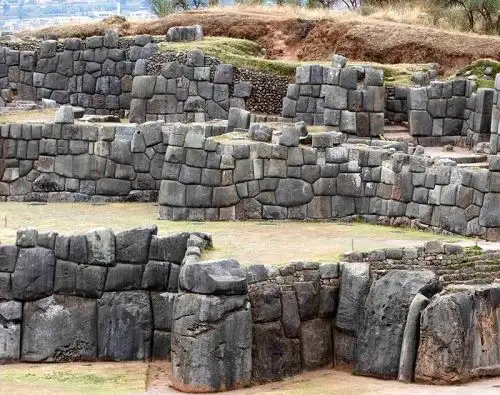
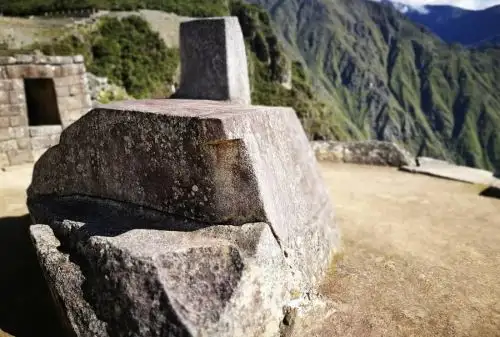
Among the cultural elements are the Llaqta, as well as the archaeological monuments of Phuyupatamarka, Qoriwayrachina, Salapunku, Torontoy, Machuq'ente, Chachabamba, Choquesuysuy, Intiwatana, Patallaqta, Tarayoq, and Wiñaywayna.
Regarding the environmental elements the plan seeks to conserve, these include the Andean bear, the torrent duck, the otter known as Mayu puma, the spectacled bear, and the neotropical otter.
The ecoregions and ecological zones present in the Historic Sanctuary of Machu Picchu are also set out.
These include the Humid Central Andean Puna, the Peruvian inter-Andean valleys, the high jungle or Peruvian yungas, and the High-Andean Amazon.
The Historic Sanctuary of Machu Picchu covers an area of 32,592 hectares and is located in Machu Picchu district, Urubamba province, Cusco region, southeastern Peru.
Objectives set out
The Master Plan sets out 10 objectives. These include increasing scientific knowledge of the Cultural Heritage by strengthening archaeological and interdisciplinary research; conserving the Historic Sanctuary of Machu Picchu's archaeological heritage and cultural landscape; and enhancing the value of prioritized archaeological monuments at this site.
The objectives also include promoting the Historic Sanctuary's sacred values, maintaining forest ecosystem cover, restoring degraded areas, preserving the Andean bear's habitat occupancy and use, and conserving populations of the river otter and the torrent duck.
Furthermore, the objectives include fostering sustainable tourism based on the conservation of the Sanctuary's cultural and natural heritage, and strengthening the integrated management of its mixed heritage.
Existing threats in the Historic Sanctuary are listed.
Among those affecting the Llaqta are disorganized, unplanned, or unregulated visits; physical contact with Inca walls and structures; erosion and wear of pre-Hispanic pathways; and the increase of lichens and mosses driven by climate change.
In the case of the Phuyupatamarka monument, high humidity levels and pressure from tourist use are cited. The latter factor threatens the Wiñaywayna monument, along with soil erosion.
For the monuments of Salapunku, Machuq'ente, Qoriwayrachina, Torontoy, Chachabamba, Choquesuysuy, Intiwatana, Patallaqta, and Tarayoq, listed threats include encroachments and precarious construction, fires, plant species introduced by humans, microseisms generated by train passage, and the increase of lichens and mosses.
Threats to the natural heritage, in turn, include forest fires, the discharge of untreated wastewater, unauthorized construction, insufficient river flow during the dry season, informal extraction of aggregate materials, an increase in trout and cormorant populations, habitat alteration, and the presence of solid waste.
(END) FGM/MAO/MVB
Published: 3/25/2026