By Luis Zuta DavilaIn an interview, the Minister of Culture, Alfredo Luna Briceño, details the progress achieved in just over 70 days in office. He will leave a roadmap for his successor.
Minister, what progress has been made so far in your administration?
At the beginning of this government, we set four major objectives. First, to finalize the regulatory framework of the National Policy for Indigenous Peoples, which is important because it brings the State closer to a number of Amazonian and indigenous communities that constitute and are part of peoples with cultural histories predating our independence; and also to policies that will allow this State engagement to improve services.
The National Policy for Indigenous Peoples should be approved in the coming weeks. It will be the first comprehensive policy of this nature approved in the country.
A second objective is the Film Law Regulations, which are a complementary part of the law passed a few months ago. This law includes something very valuable and interesting: tax incentives for production companies that want to make films.
This will be very beneficial not only for existing local production companies but also for new film productions, especially regional ones. So, here we have two regulatory goals.
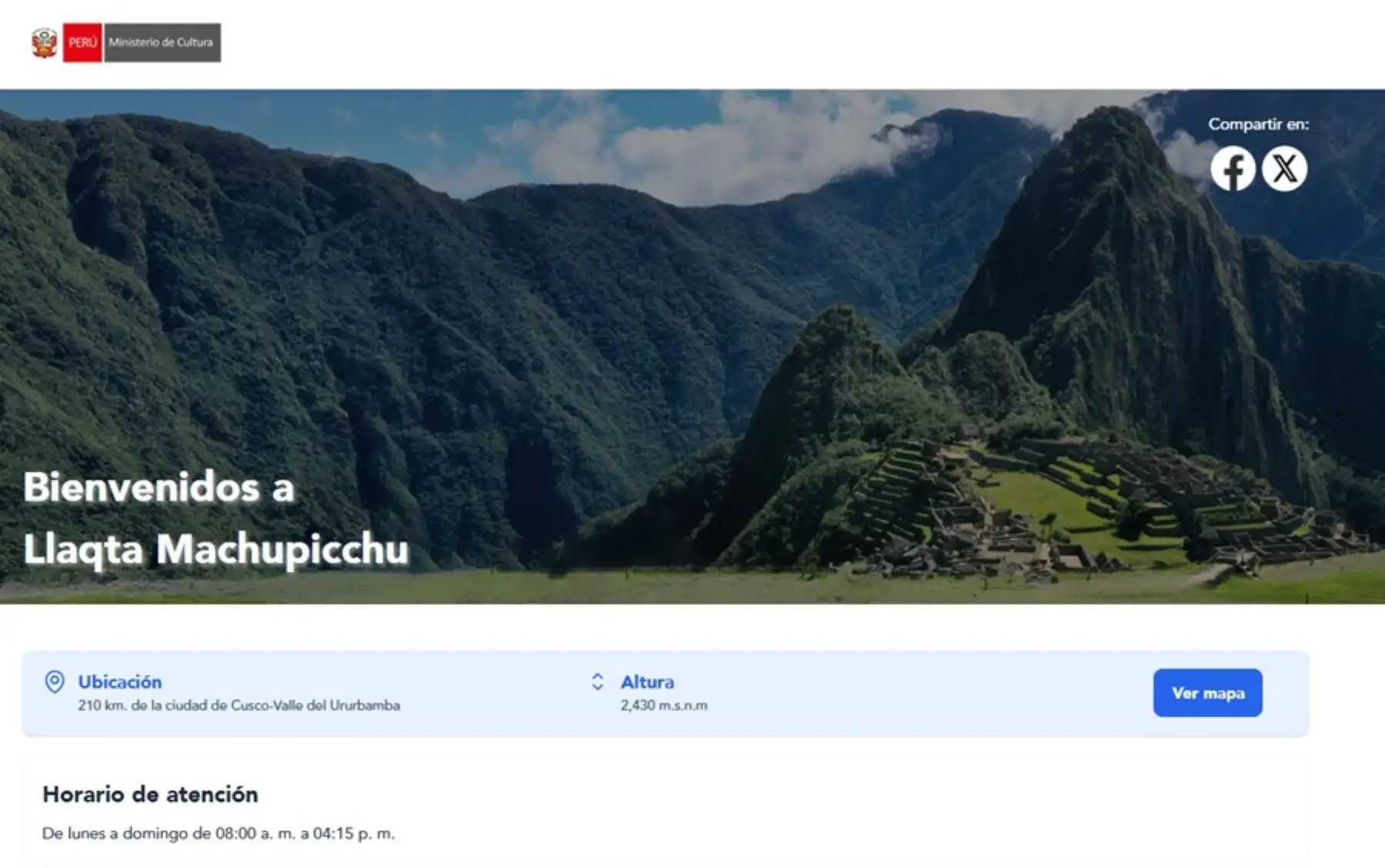
Then we have two transitional goals. The first is to have a complete roadmap for addressing the various problems involved in managing Machu Picchu and its surrounding area.
We want to leave the next government not only with a written plan but also with actions already underway. The fourth objective is the National Museum of Archaeology, which was built and delivered in 2021 but has not yet been opened to the public due to a series of technical issues. UNOPS is responsible for these issues and has committed to completing the work to address these observations this year, as well as the museum's exhibits.
To that end, a curatorial approach must be developed for the pieces to be exhibited and for the work to be carried out, such as conservation and restoration, in this important space.
When will the new Machu Picchu Master Plan be ready?
The issue of the maximum visitor capacity is already being put out to tender for an updated study that should be ready this year. We also have the master plan for the archaeological site, which includes the natural park, and that should be approved by January 8th.
What other improvement measures are planned for the Inca citadel?
We have some important additions, such as the use of wristbands for tourist identification and the use of technology to identify crowds, given that security is a very important issue.
Why is culture key to the country's economic development?
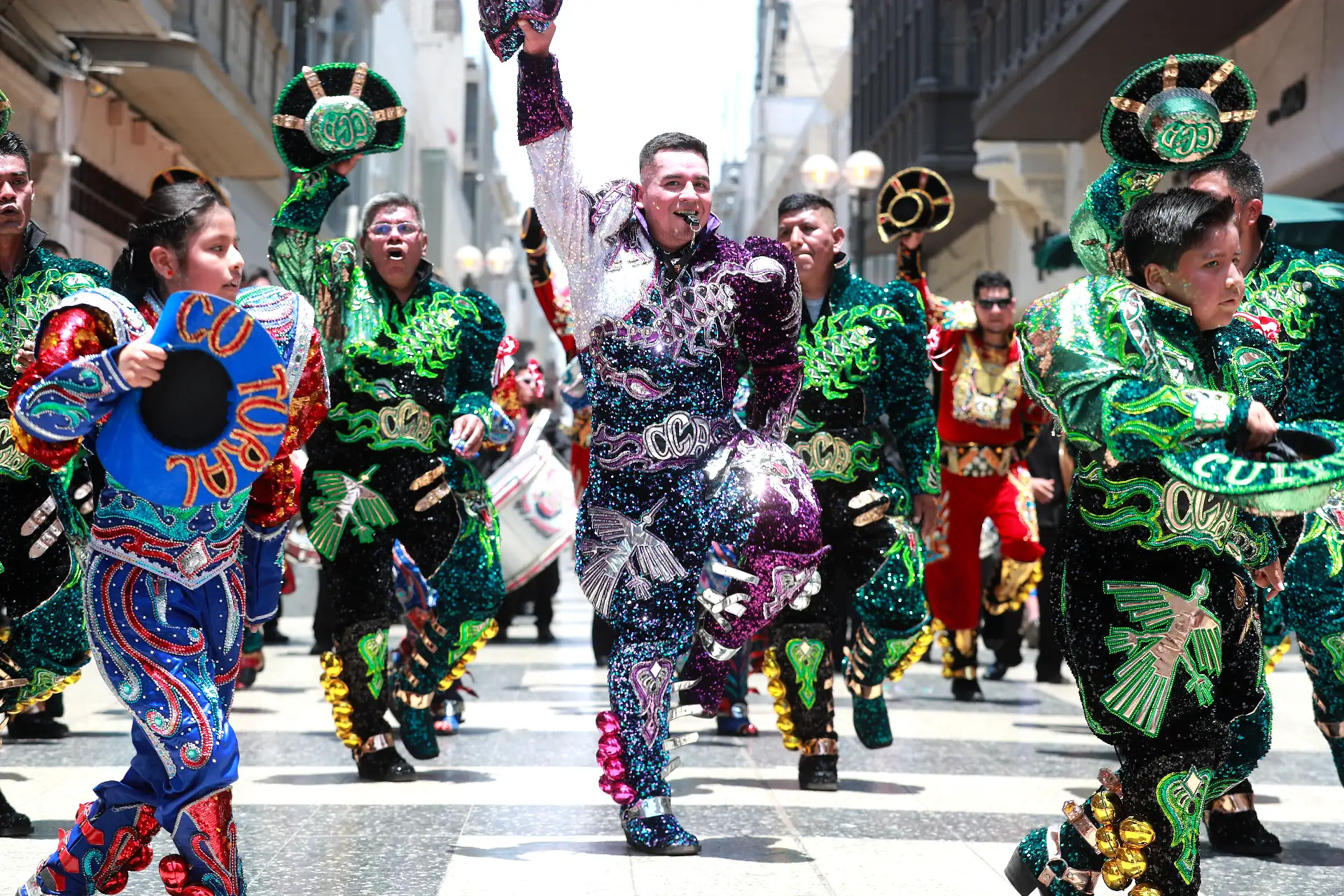
It is fundamental in this new society we should be building to focus on the overarching goal of creating a stronger, more integrated, and more united nation, one that embraces its diversity, values its heritage, and, above all, sees culture as a tool that is integral to economic development.
We cannot think of culture as separate from economic development, because if we do, we would be thinking of it as merely food for the soul. And food for the soul is important, but it is not enough. In a country where we still have such high rates of poverty and malnutrition, culture must serve as a means to address these problems. We are not, nor are we, a sector detached from the country's major challenges.
How can we create synergy between the State and private investment in the cultural sphere?
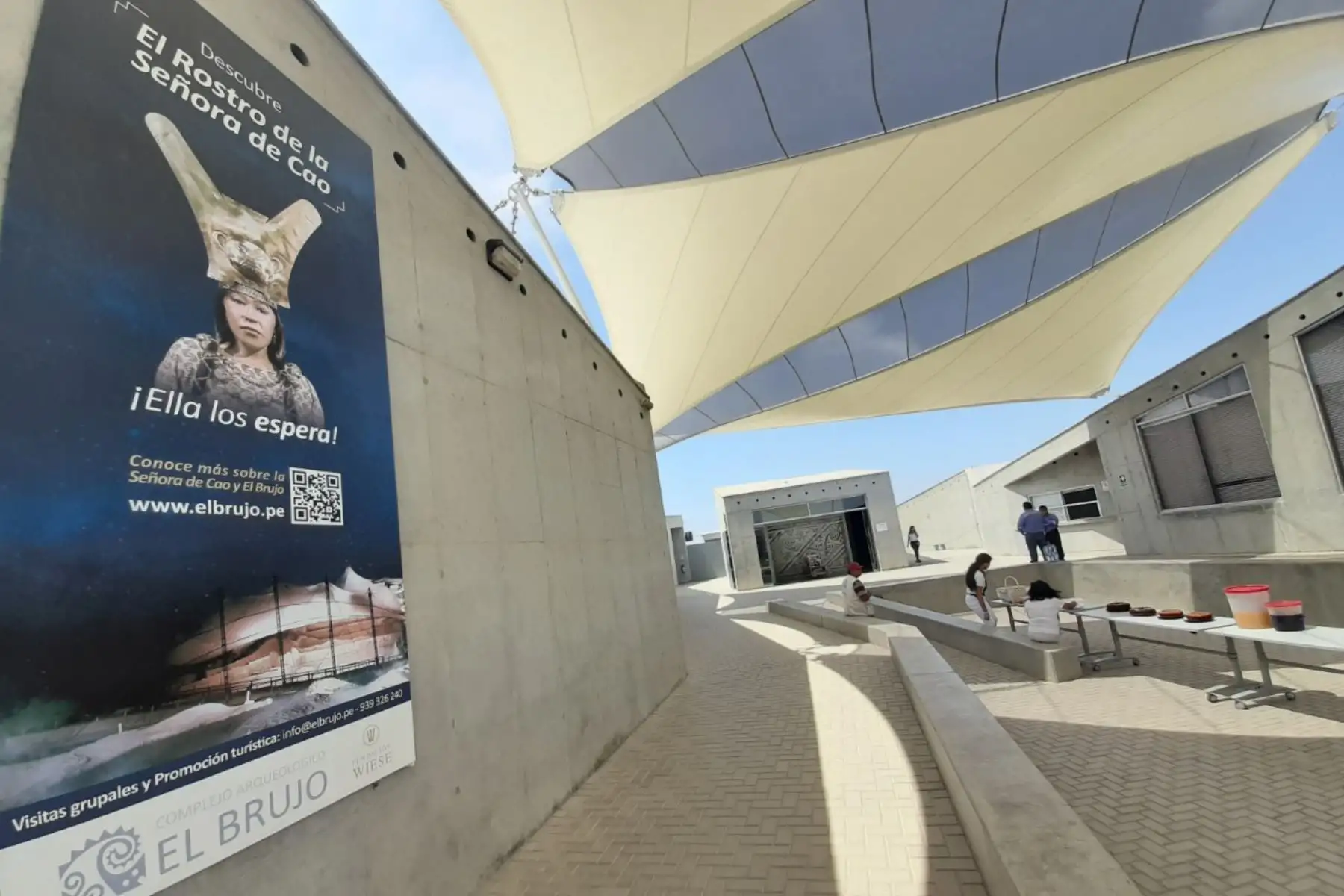
We have just approved, within the framework of the powers delegated to us by the Congress of the Republic, a law that allows us to promote and generate public-private partnerships with municipalities and universities, in order to create resources that not only enhance the value of our heritage but also attract economic activity.
How to involve the local population in cultural and tourism projects?
Every city and town in our country has its own unique value, and we create tourism projects based on that value. For example, El Carmen, in Chincha, has a centuries-old Afro-Peruvian population. What has this town done? It has cultivated an appeal around its Afro-Peruvian identity, showcasing dances like Los Negritos, Afro-Peruvian dance in general, the violin, notable figures like Amador Ballumbrosio, and its gastronomy with Mamainé and other nearby restaurants; the San José hacienda, and so on.
Thus, based on the attributes of each Peruvian city, a wealth of attractions is generated, transforming it into a viable tourism project.
"Tu Boleto" Virtual Platform
The Tu Boleto platform is a technological project implemented entirely by the State. After nearly a year and a half of operation, it has functioned continuously and stably. This platform is important because it has allowed us to work robustly, particularly in the advance sale of tickets to Machu Picchu, which is one of the measures I would highlight as an achievement of this administration.
For the first time, tickets for the citadel and the Inca Trail went on sale simultaneously on November 17th. The platform allows tourists and tourism agencies to book and purchase tickets online 24 hours a day, establishing itself as a modern, reliable, and accessible system for managing access to cultural goods and services. It contributes to the formalization of tourism work, especially on the Inca Trail, strengthening controls and labor rights. It also allows for improved tourism planning and reduces informal intermediaries.
In the first half of 2026, we expect to add three more heritage sites to the platform.
Goals for 2026
Establish a multi-sectoral coordination framework for Machu Picchu, addressing transportation, security, riverbank protection, responsible tourism management, environmental sustainability, and heritage preservation.
Develop technical and institutional solutions for critical sites such as Chan Chan, Nazca, and Kuélap.
Establish a roadmap and a specific opening date for the National Museum of Archaeology.
Approve the regulations for the Film Law, providing the audiovisual sector with clear and predictable rules.
More at Andina:
(END) DOP/LZD
Published: 1/5/2026